
Aegen, an expert in EV charging, explores a key London question. The london EV charger market is growing fast. Aegen New Energy, a Chinese manufacturer, provides free tech support. Aegen also offers custom services for home and commercial use. It partners with many distributors and installation firms. Moreover, Aegen supplies parts and whole units to assembly companies. Its products range from 20kw to 320kw fast DC EV chargers. These include dual, triple, and quadruple gun options. Plug types cover CCS2, CCS1, GB/T, CHAdeMO, and NACS. For AC needs, Aegen makes 7/11/22kw chargers. These come in single or three-phase versions. They feature Type1, Type2, GB/T, or NACS plugs. Furthermore, Aegen delivers 480kw/720kw/960kw split-type stations. These sell well in Central Asia, the Middle East, Europe, and South America. Customers praise their reliability. Aegen’s output grows 30% yearly. Delivery takes only one month. Additionally, Aegen produces EV charger testers. These help installers and assemblers ensure smooth communication.
Kerbside Charging: High Demand but Hidden Costs
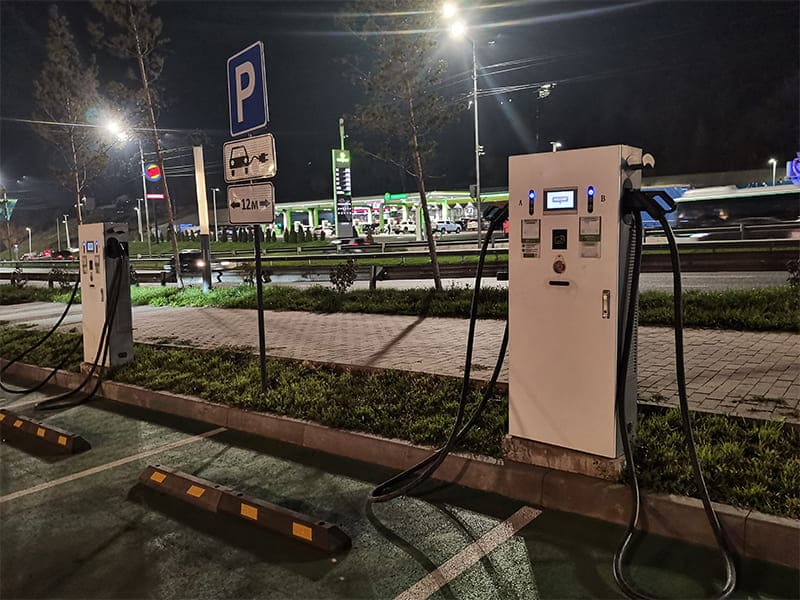
Many London drivers park on busy streets. Consequently, a london EV charger at the kerbside sees frequent use. Public access boosts its daily earnings. For instance, a single kerbside unit can serve dozens of cars. Each session adds revenue. However, installation requires council permission. Trenching and cabling raise upfront costs. Aegen notes that kerbside units also need robust anti-vandal features. Maintenance costs rise due to weather exposure. Yet, demand remains strong in zones without driveways. Therefore, a london EV charger on a kerbside often achieves higher turnover. But net profit depends on usage fees and repair frequency. Aegen suggests monitoring idle times closely. Transitioning to night charging can optimize income. EV charger AC vs DC: Which one suits your home better? Ask Aegen
Driveway Charging: Lower Risk, Steady Returns
In contrast, a driveway london EV charger offers predictable earnings. Homeowners control access entirely. As a result, they can share it with neighbours or renters. Platforms like JustCharge enable peer-to-peer sharing. Aegen observes that driveway units face less vandalism. Installation costs are lower too. No pavement digging or council fees apply. Nevertheless, the user base is smaller. One driveway charger serves at most two or three regular users. Hence, daily revenue stays modest. On the positive side, maintenance is minimal. The owner simply cleans the unit occasionally. Aegen recommends a london EV charger on a driveway for passive income. It suits risk-averse investors. Over one year, driveway returns can be stable. But they rarely match kerbside peaks.
Revenue Comparison: Which One Wins?
Aegen analyses real London data. A kerbside london Electric Vehicle charger generates £15–25 per day on average. High-footfall zones reach £40 daily. Meanwhile, a driveway london EV charger earns £5–12 daily. Sharing with two neighbours lifts it to £15. Consequently, kerbside gross revenue doubles driveway figures. However, deduct costs carefully. Kerbside installation may cost £8,000–12,000. Driveway installation runs £1,000–2,000. Additionally, kerbside units require 20% of revenue for network fees. Driveway platforms charge only 10%. Let us calculate net profit. A kerbside charger making £20 daily nets £5,700 yearly after all costs. A driveway charger making £10 daily nets £3,200 yearly. Thus kerbside still earns more. But the gap narrows. For multiple units, kerbside scales better. For a single owner, driveway provides decent passive cash.
Aegen’s Role in Maximising Earnings
Aegen helps both installation types succeed. Firstly, Aegen supplies durable AC chargers for driveways. Secondly, its DC fast EV chargers suit kerbside high-turnover spots. Aegen’s dual-gun 60kw model allows simultaneous charging. This doubles kerbside income. Moreover, Aegen offers free technical support. Custom branding is also available. For installers, Aegen’s EV charging tester verifies communication protocols. This reduces downtime. Consequently, each london Electric Vehicle charger from Aegen operates reliably. Aegen also works with assembly partners. They receive complete kits or individual parts. Delivery happens within one month. Therefore, scaling up a kerbside network becomes easy. Aegen’s 30% annual production growth guarantees supply.
Practical Tips for Higher Earnings
First, choose the right location. A kerbside london Electric Vehicle charger near stations or shops works best. Second, set dynamic pricing. Peak hours charge a premium. Third, use Aegen’s dual or triple gun chargers. They serve more cars without extra space. For driveways, advertise on sharing apps. Also install a Type2 plug for universal compatibility. Fourth, perform regular tester checks. Aegen’s tester prevents communication failures. Finally, combine both strategies. Install one kerbside and one driveway london EV charger. This diversifies income streams. Aegen confirms that mixed portfolios yield the highest total return.
Conclusion: Kerbside Leads, Driveway Follows
In summary, a kerbside london Electric Vehicle charger earns more gross revenue. Yet a driveway london EV charger offers better profit margins per pound invested. For aggressive growth, prioritise kerbside units. For side income, start with a driveway. Aegen New Energy provides all necessary hardware. Contact Aegen for custom quotes. Their team responds within 24 hours. With Aegen’s support, any london EV charger becomes a profitable asset.