
Aegen explores this growing question. An EV charger 80 amp delivers substantial power. This speed benefits many users. But does it fit all settings? Let us examine the evidence.
Fast Charging for Light Commercial Fleets
Light commercial fleets need quick turnaround times. An EV charger 80 amp can restore many miles per hour. For example, a delivery van charges faster than with lower amps. Therefore, fleet managers reduce idle time. Consequently, they improve daily route efficiency. Moreover, an DC home EV charger supports multiple vehicles if rotated wisely. Aegen notes that overnight charging fully prepares a fleet. However, infrastructure costs must be considered. Yet, the long-term gain often outweighs upfront expenses.
Residential Use: Overkill or Future-Proof?
Homeowners also seek powerful charging options. An EV charger 80 amp charges a large battery overnight easily. For instance, an electric truck or SUV benefits greatly. Nevertheless, most single-family homes do not need this speed. A typical 40-amp unit suffices for daily commuting. Still, future electric vehicles may demand more. Thus, installing an EV charger station today prepares a home for tomorrow. Additionally, homeowners with solar panels can store surplus energy faster. Aegen advises checking local electrical panel capacity first. Otherwise, a costly upgrade becomes necessary.
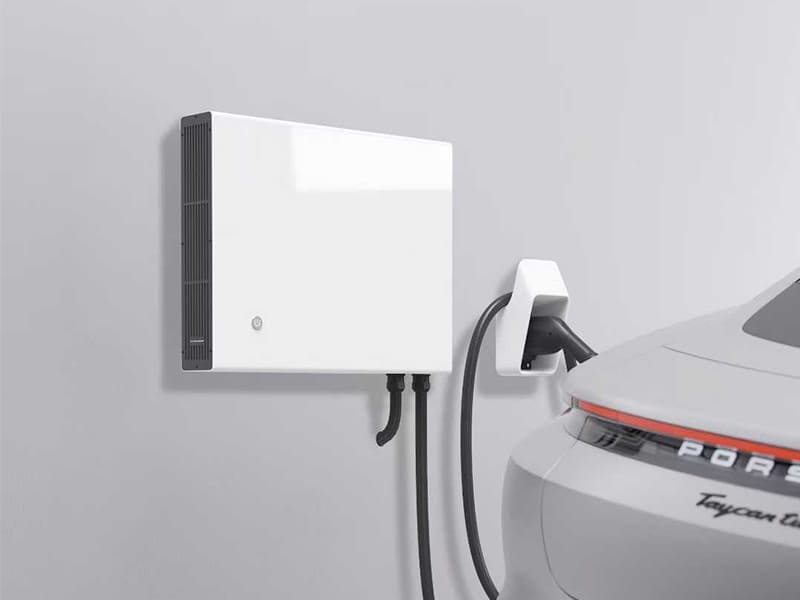
Key Differences Between Commercial and Residential Needs
Commercial settings emphasize throughput and reliability. An EV charger 80 amp reduces vehicle downtime significantly. Hence, delivery services and utility fleets adopt them widely. Residential users prioritize convenience and cost. For an Electric Vehicle charger 80 amp, the home must have a 100-amp or higher service. Many older homes lack this capacity. Therefore, Aegen recommends a professional load assessment. Meanwhile, commercial sites often already have robust electrical systems. So, integration proceeds more smoothly. Another factor is utilization rate. Fleets charge vehicles every night. Homes might use the charger only occasionally. Thus, the return on investment differs greatly.
Cost Implications and Electrical Upgrades
Installing an EV charger 80 amp requires a 100-amp dedicated circuit. Material costs include thick copper wiring and heavy-duty breakers. Labor charges rise due to complexity. For a commercial fleet, this expense spreads across many vehicles. For a home, it is a single point of investment. However, government incentives may offset some costs. Aegen points out that utility companies sometimes offer rebates for high-power chargers. Also, future resale value of a home increases with an Electric Vehicle charger 80 amp installed. Therefore, homeowners should calculate total expenses carefully. In contrast, light commercial fleets often plan such upgrades as capital improvements. EV charger Wall mounted: Does Aegen offer private labeling for resellers?
Real-World Examples and Aegen’s Recommendation
Consider a last-mile delivery fleet with ten vans. One Electric Vehicle charger 80 amp rotates among them successfully. Each van receives two hours of fast charging daily. That covers 100 miles per van. Without this speed, the fleet needs three chargers. Hence, the 80-amp option saves hardware costs. Now consider a residential case. A family owns two EVs and one EV charging station 80 amp. They alternate charging sessions from midnight to 6 AM. Both vehicles reach full state of charge easily. So, the answer depends on usage patterns. Aegen concludes that an EV charger 80 amp suits both segments conditionally. Specifically, fleets gain operational reliability. Homes gain future flexibility. Yet, neither should ignore electrical capacity limits. Finally, Aegen advises consulting a certified electrician before purchase. Proper planning ensures safety and performance. Thus, the EV charger 80 amp remains a versatile but powerful tool for forward-thinking users.