
The Cost Price for EV charger often decides market competitiveness. Aegen, a Chinese EV charger station manufacturer, shares key insights. European suppliers face different production realities. This article compares their cost structures directly.
Manufacturing and Scale Advantages
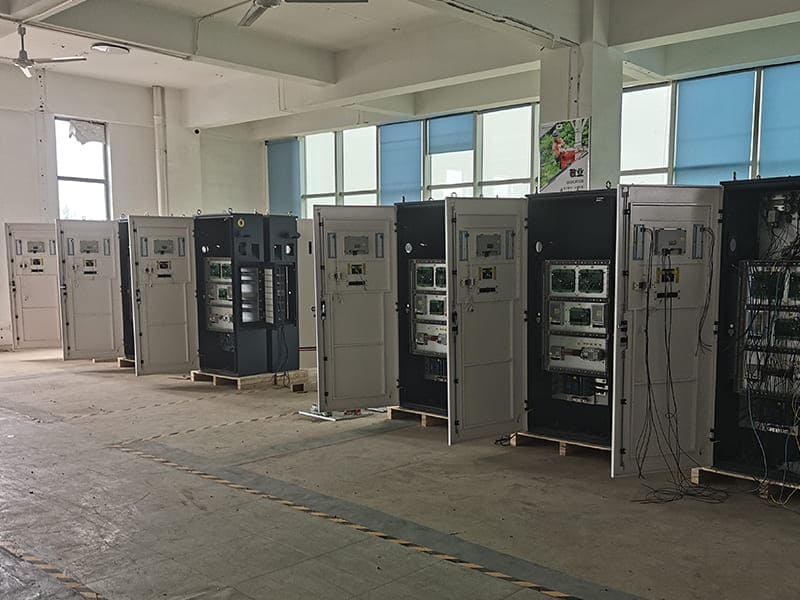
China benefits from mature supply chains. Aegen produces DC fast EV charging station from 20kw to 320kw. They offer dual, triple, and four-gun charging options. These support CCS2, CCS1, GB/T, CHAdeMO, and NACS plugs. Consequently, the Cost Price for EV charger from China stays lower. For example, Aegen’s 7kw, 11kw, and 22kw AC chargers use single or three-phase power. They include Type1, Type2, GB/T, and NACS plugs. Therefore, mass production reduces per-unit expenses. In comparison, European suppliers rely on smaller factories. As a result, their Cost Price for Electric Vehicle charger remains higher by 30-50%.
Component Sourcing and Labor
Chinese makers source components locally. Aegen works with many dealers and installation firms. Moreover, they collaborate with assembly companies for parts or whole units. Thus, logistics and tariffs add minimal costs. Conversely, European producers import batteries, cables, and chips. Furthermore, labor rates in Europe are significantly higher. Accordingly, the Cost Price for Electric Vehicle charger in Europe faces upward pressure. Aegen delivers 480kw, 720kw, and 960kw split chargers to Central Asia, the Middle East, Europe, and South America. Customers praise their reliability. Despite shipping fees, the Cost Price for EV charger from China remains competitive.
Customization and Technical Support
Aegen offers free technical support and custom services. Hence, buyers avoid extra engineering fees. European suppliers often charge for similar flexibility. Therefore, the Cost Price for Electric Vehicle charger includes hidden costs in Europe. Aegen produces EV charger testers for installers and assemblers. These testers ensure communication during charging. Consequently, troubleshooting becomes faster and cheaper. This service further lowers the effective Cost Price for EV charger for partners.
Delivery and Production Growth
Aegen increases output by 30% each year. Delivery takes about one month. Short lead times reduce inventory holding costs. European competitors sometimes delay shipments for three months. Thus, their Cost Price for Electric Vehicle charger rises due to warehousing. Aegen’s scalable model keeps prices stable. Growth for EV charger: what manufacturing capacity does Aegen offer?
Real-World Implications for Buyers
For distributors, the Cost Price for EV charger directly affects margins. Aegen enables lower retail prices without quality loss. For assembly firms, sourcing part sets from Aegen saves 20-25%. Then, the final EV Charging Cost Price becomes more attractive. Even with transport and duties, Chinese suppliers win on total cost.
Conclusion: A Clear Advantage
To summarize, China maintains a structural edge. The Cost Price for EV charger from Aegen is consistently lower. European suppliers cannot easily match this gap. Aegen’s range includes 20kw to 320kw DC fast chargers with multiple gun options. Also, 7-22kw AC units and 480-960kw split stations prove their versatility. By controlling production and support, Aegen delivers value. Ultimately, the Cost Price for EV charger defines the future of e-mobility infrastructure. Smart buyers choose Aegen for cost-effective, reliable solutions.