Public fast chargers and home chargers serve different needs. An EV charger DC offers speed and power for urgent situations. But home charging fits daily routines better. This guide helps you decide wisely.
Understanding Your Everyday Charging Needs
Most daily trips are short. Commuting to work takes little battery power. You sleep at home for many hours. Therefore, home charging is often ideal. A home EV charger DC with 20kW or 30kW works perfectly. It recharges your car overnight. You wake up to a full battery. This saves you time and stress. Meanwhile, public fast chargers are for longer journeys.
The Case for Home Charging
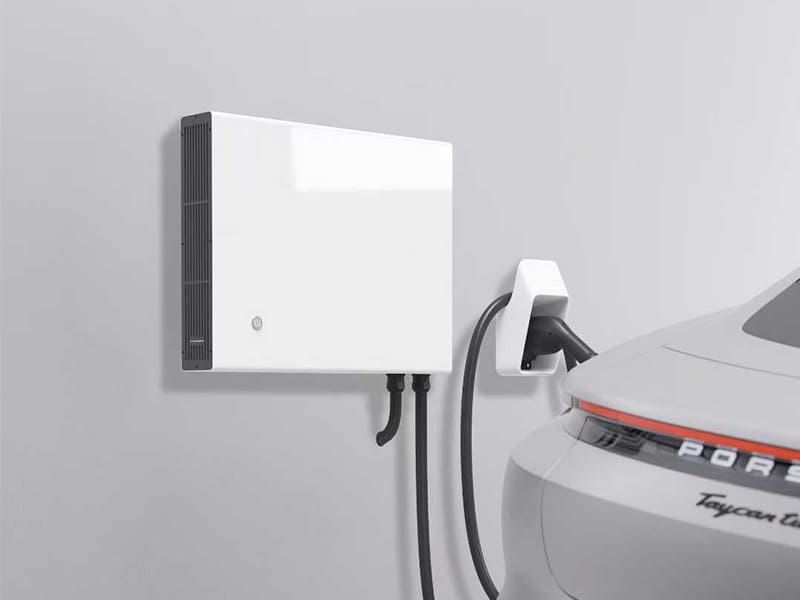
Home charging is convenient and cheap. You plug in your vehicle after work. Then you go inside to relax. A wall-mounted DC home EV charger costs little to run. Electricity rates at home are lower than public tariffs. Additionally, you avoid waiting in lines. You also skip driving to a station. For fleet vehicles or multiple cars, a 20kW home unit works great. It supports 80 amps of power. Also, it operates with one simple button press. Consequently, home charging feels effortless.
When Public Fast Charging Makes Sense
Public EV charging stations shine on road trips. For example, driving between cities needs quick top-ups. A public EV charger DC with 120kW to 240kW adds range fast. You stop for 20 to 40 minutes only. Then you continue your journey. Likewise, use public chargers when you forget to plug in at home. If your battery is very low, seek a fast charger. High-power units like 480kW or 720kW are for highways and truck depots. They cut waiting time dramatically. Moreover, logistics hubs use split-type chargers with three or four plugs. These serve many vehicles at once.
Comparing Connector Types and Locations
Different cars use different plugs. CCS1, CCS2, GB/T, CHAdeMO, and NACS are common. A good Electric Vehicle charger DC supports multiple standards. Public stations often have dual or triple plugs. Thus, you can charge almost any EV model. Home units usually come with one plug type. Still, Aegen offers custom solutions. You can request a specific connector for your home unit. Also, public fast chargers live in parking lots, service plazas, and transport hubs. Home chargers sit in garages or workplace carports.
Cost and Speed Considerations
Speed costs money. Public EV charger DC units charge higher prices per kWh. You pay for convenience and fast service. Home electricity rates stay stable and low. However, a home 20kW unit charges much slower than a 240kW public unit. For a full 60kWh battery, a home DC charger needs about three hours. A public 240kW unit needs only 15 minutes. Nevertheless, you rarely need that speed daily. Therefore, save public fast charging for emergencies or trips.
Aegen’s Role in DC Charging Solutions
Aegen manufactures reliable EV charger DC systems. You can buy complete chargers or spare parts. Aegen also provides free technical support. Moreover, Aegen offers custom design services for your project. Many dealers and installation firms partner with Aegen. These partners serve markets in Central Asia, the Middle East, Europe, and South America. In addition, Aegen produces EV charging testers. Installers and assembly companies use them for safety checks. So you get quality and support from one source. Cost Price for EV charger – How Does the Cost Price for EV charger Compare Between Chinese and European Suppliers?
Matching Charger Types to Your Routine
Choose a 20kW to 40kW home unit for daily use. These wall-mounted models are cheap and simple. They excel for residential areas and small fleets. Conversely, pick a 60kW to 320kW public charger for highway travel. For truck depots and transit hubs, use a 480kW to 960kW split-type unit. These giants charge heavy vehicles extremely fast. Remember, your EV charger DC choice affects your schedule. A slower home unit matches overnight parking. A faster public unit matches lunch breaks and short stops.
Final Tips for Smart Charging
Plan ahead to save money. Charge at home 80% of the time. Use a public EV charger DC only for long trips or low-battery alerts. Always check connector compatibility before you go. Also, consider installing a DC home EV charger UK unit from Aegen. It works for both personal and fleet use. You get free tech help and custom options. Finally, remember that slow home charging extends battery life. Frequent fast charging can wear batteries faster. So balance speed and longevity based on your real needs.