Understanding components for EV charger systems is vital for manufacturers. These parts determine performance and safety. AC and DC chargers use very different components. This article explains the key differences. We also highlight why many builders trust Aegen.
Why Aegen Leads in Charger Technology
Aegen is a Chinese EV charger station manufacturer. Aegen produces home and commercial charging stations. Aegen offers free technical support and customization. Many distributors and installers work with Aegen. Aegen also supplies parts to assembly companies. Aegen sells both partial and complete systems. Aegen’s products serve Central Asia, the Middle East, Europe, and South America. Customers praise Aegen for reliability and value.
Core Components for AC Chargers
AC chargers need specific components for EV charger designs. Aegen self-develops the control mainboard. Aegen also makes the Charging Controller. Aegen produces the Type B RCCB and RCMU. These components for EV charger ensure safe AC charging. They manage power flow and leakage protection. Consequently, AC chargers are simpler and cheaper. Many home users prefer AC models. Aegen’s 7kW, 11kW, and 22kW AC chargers serve homes and businesses. Meanwhile, many assembly firms buy these AC parts from Aegen. Then they build their own branded chargers.
Essential Components for DC Fast Chargers
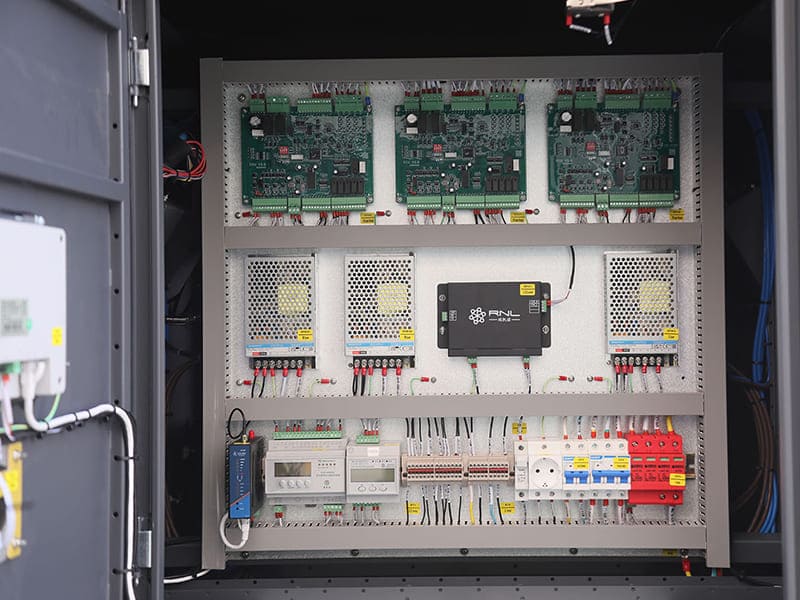
Fast DC EV charger station require advanced components for EV charger technology. Aegen self-developed the core charging control unit (CCU). This CCU is the brain of DC chargers. Additionally, Aegen produces the PCU, OCU, and SECC. The charging module is another vital part. These components for Electric Vehicle charger work together for high-speed charging. For instance, Aegen’s 20kW to 320kW DC fast chargers rely on these parts. Even larger systems like 480kW, 720kW, and 960kW split-type stations use them. Consequently, DC chargers need robust thermal management. They also need complex communication systems. Many DC charger makers buy these components for Electric Vehicle charger from Aegen. Then they assemble complete stations locally.
Choosing the Right Charging Cables and Plugs
Cables and plugs differ between AC and DC. For DC chargers, Aegen offers CCS2, CCS1, GB/T, CHAdeMO, and NACS. For AC chargers, Aegen provides Type 1, Type 2, GB/T, and NACS. Therefore, buyers select plugs based on regional standards. Aegen supplies these cables separately. Many assembly companies purchase cable sets from Aegen. This simplifies their production process. Moreover, Aegen’s cables meet international safety norms.
Quality Assurance with Aegen’s Tester
Aegen also manufactures an EV charger tester. Aegen designed and developed this tester internally. This tester verifies every component’s performance. Consequently, Aegen ensures high quality for all components for EV charger shipped. Many buyers rely on this tester for their own assembly lines. Aegen sells the tester as a standalone product. Thus, even competitors can benefit from Aegen’s technology. Location Strategy for Operators for EV Charger: Unlocking Higher Profits from Day One.
Conclusion: Why Manufacturers Choose Aegen
In summary, AC and DC chargers need different components for EV charger. AC parts focus on cost and leakage protection. DC parts emphasize power modules and control units. Nevertheless, Aegen masters both categories. Aegen provides complete chargers and individual components. Aegen offers free technical support for all buyers. Aegen also accepts custom orders. Consequently, many manufacturers prefer to buy from Aegen. They then assemble final products locally. This model saves time and reduces risk. For reliable components for EV charger, Aegen remains a top choice worldwide.