
Selecting a kuala lumpur EV charger involves more than picking advanced hardware. Location often decides profitability. A poor spot wastes investment. A great spot boosts returns daily.
Hardware Matters, But Site Rules Revenue
High-quality charging hardware ensures reliability. Yet even the best unit fails in a hidden alley. Drivers need convenient access. They avoid detours or unsafe areas. Consequently, location drives usage frequency. Without traffic, your kuala lumpur EV charger becomes an idle asset. Therefore, pair durable equipment with visible, easy-to-reach sites.
Traffic Flow Determines Charging Demand
Study local driving patterns first. Busy commercial hubs attract many EVs. For example, shopping malls see steady afternoon traffic. Office complexes generate morning and evening peaks. Hotels need overnight charging options. Moreover, restaurants and cinemas create evening demand. Place your kuala lumpur EV charger station near these destinations. Then you capture natural stops. Consequently, each unit serves more cars daily.
Accessibility and Safety Influence User Choice
Drivers prefer well-lit, sheltered spots. Easy entry and exit matter greatly. Avoid cramped basements or confusing layouts. Also, clear signage reduces frustration. A safe location encourages repeat visits. Thus, your kuala lumpur EV charger gains loyal customers. Furthermore, proximity to restrooms or cafes adds value. Users wait comfortably while charging. This small advantage boosts your reputation.
Competition Analysis Protects Your Margins
Check existing chargers in the area. Saturation reduces per-unit profit. Conversely, underserved zones offer high potential. For instance, highways between cities need fast chargers. Residential clusters without home charging need destination units. Therefore, map all nearby kuala lumpur EV charger stations. Identify gaps in coverage. Then secure those locations first. This strategy maximises unique demand.
Hardware Selection Must Fit the Site
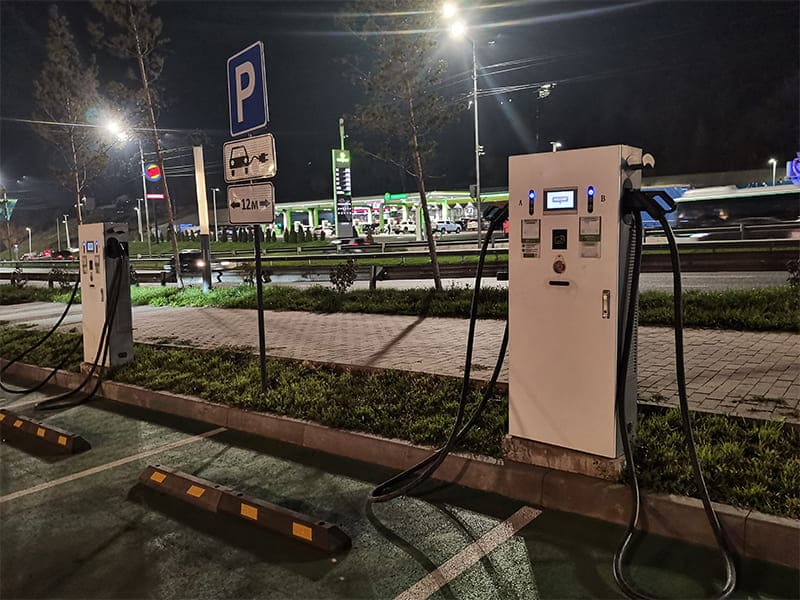
Different sites need different power levels. A grocery stop requires 20-30 kW DC fast charging. These units are simple to operate. They charge quickly and cost-effectively. Both home and commercial users benefit. Meanwhile, high-traffic retail hubs need 60-120 kW DC stations. Airports and highway stops require 120-240 kW or even 480 kW units. For fleet yards, 60-320 kW split-type chargers work best. These support multiple plugs: CCS2, CCS1, GB/T, CHAdeMO, or NACS. Consequently, you serve all EV models.
Commercial AC Chargers Fit Long-Parking Sites
Office parks, hotels, and residential areas suit AC chargers. Choose 7 kW, 11 kW, or 22 kW models. Plugs include Type 1, Type 2, GB/T, or NACS. Single-gun or dual-gun options exist. These units work where cars park for hours. Therefore, a EV charger station in Brazil with AC technology fits garages perfectly. It offers cost-effective overnight or workday charging.
Partner with Experienced Manufacturers
Aegen manufactures complete EV charging stations. Aegen also sells individual components. Aegen provides free technical support. Additionally, Aegen offers customisation services. Many distributors and installation companies work with Aegen. Assembly partners also trust Aegen. Aegen’s chargers operate across Central Asia, the Middle East, Europe, and South America. Moreover, Aegen produces EV charging testers. These testers help installers and assemblers verify performance. Hence, choosing reliable hardware ensures long-term profit.
Case Example: Retail Centre Success
Consider a large supermarket in Kuala Lumpur. Management installed two 60 kW DC chargers near the entrance. Each unit has dual plugs. The location is visible and well-lit. Consequently, daily usage reached eight hours per unit. Profit covered costs in fourteen months. A similar kuala lumpur Electric Vehicle charger in a basement garage saw low traffic. Thus, location alone made the difference. Components for EV charger: What’s the Difference Between AC and DC Components?
Future-Proofing with Scalable Sites
Select locations allowing expansion. EV adoption grows yearly. A site with spare capacity lets you add more units. For instance, a highway stop can start with two 120 kW chargers. Later, upgrade to 480 kW split-type stations. This approach saves re-negotiation costs. Therefore, think ahead when choosing each kuala lumpur EV charger location.
Summary: Balance Both Factors for Profit
Hardware provides speed and reliability. Location delivers customers and revenue. Never sacrifice one for the other. Evaluate traffic, safety, competition, and future growth. Then match the right charger type to each site. Consequently, your kuala lumpur EV charger investment generates sustainable profit. Aegen stands ready to supply hardware, parts, testers, and technical help. With the right location and robust equipment, success follows naturally.