
We now see a global expansion of EV charger infrastructure. This growth is truly remarkable. Indeed, it signals an electric transportation revolution. Consequently, mapping this progress is essential. Therefore, I will explore its current state and trajectory. This analysis will cover various global regions and trends. Ultimately, understanding this EV charger infrastructure surge is crucial.
The Current Global Landscape
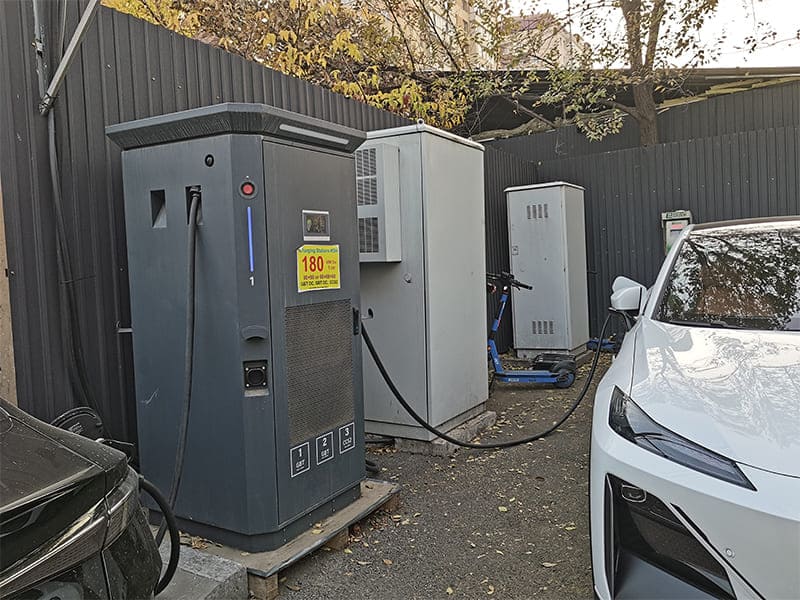
Presently, the global EV charger infrastructure network is uneven. Regions like East Asia and Europe lead significantly. Conversely, other areas are still developing their networks. For instance, public EV charging station numbers have soared recently. However, reliable access remains a key challenge. Notably, governments are now implementing supportive policies. These policies directly boost Electric Vehicle charger infrastructure deployment. Meanwhile, private investment is also increasing rapidly. Furthermore, technological standardization is becoming a priority. So, the landscape is dynamic and promising.
Regional Leaders and Their Strategies
China possesses the world’s largest EV charger infrastructure. It integrates charging into urban planning masterfully. Similarly, European nations adopt a unified approach. They are building dense cross-border charging corridors. Meanwhile, the United States is investing heavily. Its focus is on major highway electrification currently. Consequently, these efforts are reducing range anxiety dramatically. Moreover, they set a benchmark for other regions to follow.
Technological Innovations Driving Change
Technology is revolutionizing EV charger infrastructure. Ultra-fast charging is now a reality. Additionally, smart grid integration is progressing well. These systems manage energy flow intelligently. Furthermore, payment and authentication processes are simplifying. Users experience seamless transactions today. Also, renewable energy pairing is gaining traction. Solar-powered charging stations are emerging everywhere. These innovations enhance network reliability and sustainability greatly.
Challenges on the Road Ahead
Despite progress, significant hurdles persist. Firstly, grid capacity often limits expansion plans. Secondly, rural areas still lack sufficient coverage. Thirdly, maintenance and reliability need constant attention. Moreover, diverse plug standards create compatibility issues. Therefore, international cooperation is absolutely vital. However, I believe we can overcome these challenges together. Strategic partnerships will pave the way forward.
Aegen New Energy’s Role in the Ecosystem
My company, Aegen New Energy, contributes actively. We manufacture complete fast EV charger station solutions. We serve both home and commercial markets globally. Importantly, we provide free technical support services. We also offer customized solutions for unique needs. Consequently, we partner with numerous distributors and installers. We even supply parts to assembly companies worldwide. Our product range includes fast DC EV chargers. We also produce AC chargers for various settings. Furthermore, our portable chargers offer great convenience. Our products reach Central Asia and the Middle East. They are also sold across Europe and South America. Fortunately, they have received strong customer recognition and praise.
The Critical Importance of Collaboration
Collaboration fuels Electric Vehicle charger infrastructure growth. Automakers and energy companies must unite. Likewise, governments and private entities should partner closely. Such synergy accelerates deployment speed significantly. It also ensures more equitable access for all. Therefore, I advocate for more open partnerships. Shared goals will benefit the entire ecosystem immensely. Bi-Directional EV Charger: The Future of Vehicle-to-Grid (V2G) Technology.
Future Projections and Trends
The future for EV charger infrastructure looks bright. Deployment rates will likely continue climbing. Wireless charging technology may become mainstream soon. Furthermore, battery-swapping stations could expand in certain markets. Ultimately, a dense, intelligent network will emerge globally. This network will support mass EV adoption effortlessly. So, our journey is just beginning, excitingly.
Conclusion: Powering a Sustainable Future
In conclusion, global EV charger infrastructure is growing rapidly. This growth is foundational for a cleaner future. Every new charger brings us closer to sustainability. I am optimistic about our collective progress. Finally, continued focus and investment are imperative. Together, we will power the electric mobility revolution successfully.