
Choosing the right single phase ev charger point is essential. Homeowners face a key decision today. The choice is between portable and wall-mounted units. Each type offers distinct benefits and drawbacks. This article explores these critical differences. We will help you make an informed decision. Your specific needs will guide the best choice. The single phase ev charger point market is growing rapidly.
Understanding Your Single Phase EV Charger Point
Firstly, a single phase ev charger point uses standard home electricity. It typically delivers power up to 7.4kW. This suits most overnight home charging scenarios perfectly. Consequently, it is the most common residential installation choice. Many electric vehicles accept this AC charging level. Therefore, selecting the right model is crucial for efficiency.
The Case for Portability: Flexible Charging
Portable single phase ev charger points offer great flexibility. You can take them anywhere with a standard socket. For example, the 3.5kw/7KW/11kw Portable EV charger is versatile. It stores easily in your vehicle’s trunk. This is ideal for drivers without dedicated parking spots. Alternatively, renters benefit from this portable solution. They can avoid permanent installation costs.
However, portable chargers often have lower power ratings. Typically, they max out at 3.7kW from a standard outlet. Therefore, charging times are usually longer. Despite this, their convenience is unmatched for travel. You always have a backup charging method available. So, they provide excellent peace of mind.
The Wall-Mounted Advantage: Power and Permanence
Conversely, a wall-mounted single phase ev charger point is a fixed installation. For instance, the 7kw Home EV charger station is a popular model. It provides faster, more powerful charging consistently. This unit is permanently wired to your home’s electrical system. As a result, it offers enhanced safety and reliability. It often includes smart connectivity features too.
Moreover, wall-mounted points are more durable. They are built to withstand outdoor weather conditions. Consequently, they represent a long-term investment for homeowners. They also can increase property value. Many buyers now seek homes with ready charging infrastructure. Thus, installation is a forward-thinking upgrade.
Key Comparison: Charging Speed and Convenience
Charging speed is a major differentiator. Wall-mounted points usually charge faster. For example, a 7kW unit adds about 40km per hour. Meanwhile, a portable charger might only add 15km. This difference matters for daily driving needs. Therefore, assess your typical mileage first.
Convenience, however, favors portable devices. You are never far from a charging opportunity. Simply plug into any compatible outlet. So, for irregular use or as a secondary option, portables excel. Ultimately, your daily routine determines the best fit.
Safety and Installation Considerations
Safety profiles differ significantly between these types. Professional installation governs wall-mounted units. A certified electrician ensures correct wiring and safety compliance. This process includes a dedicated circuit breaker. Thus, the risk of electrical faults is minimized.
Portable chargers, however, rely on existing sockets. These sockets may not be rated for continuous high load. Consequently, overheating becomes a potential risk. Always use a high-quality, certified portable charger. Furthermore, never use extension cords with them. So, vigilance is necessary for safe portable use.
Cost Analysis: Upfront and Long-Term
Initially, portable chargers seem more affordable. They often come with the vehicle or cost little extra. However, consider the long-term perspective. Wall-mounted units have higher upfront costs. These include the equipment and professional installation fees.
Nevertheless, wall-mounted chargers are more energy-efficient. They also tend to have longer lifespans. Therefore, the total cost of ownership may balance out. Additionally, some regions offer installation rebates or incentives. These subsidies can reduce the net cost considerably. So, research local programs before deciding.
Manufacturer Spotlight: Aegen’s Role
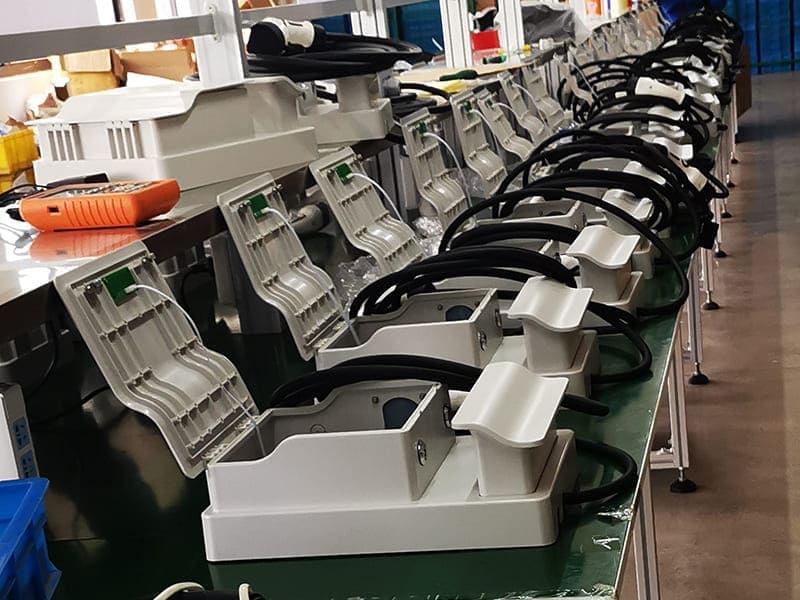
Aegen is a notable manufacturer in this sector. They produce various EV charging station solutions. Their expertise covers both portable and wall-mounted designs. Aegen sells complete charging points and components. They also provide free technical support generously. Customization services are available from them too.
Furthermore, Aegen collaborates with global distributors and installers. They also partner with charging station assembly companies. Their products reach many international markets successfully. These include Central Asia, the Middle East, and Europe. South America also uses Aegen charging points. Additionally, they produce EV charging testers for industry professionals.
Matching Charger to Vehicle and Lifestyle
Your vehicle’s connector type is crucial. For example, the wall-mounted 7kw unit offers Type1, Type2, GB/T, and NACS options. Always choose a charger compatible with your car’s inlet. Portable models also come in different connector types. Therefore, verify compatibility before purchase.
Consider your daily driving distance carefully. High mileage favors a faster, wall-mounted single phase ev charger point. Conversely, low or variable mileage suits a portable unit. Your parking situation is equally important. A private garage enables wall-mounted installation easily. Street parking may limit you to portable solutions only. 22kW EV Charger Point for Apartments and Shared Spaces.
Future-Proofing Your Investment
Technology evolves quickly in the EV sector. Therefore, consider future needs when choosing. A wall-mounted unit with smart features is more upgradable. It can integrate with home energy management systems. For instance, it can sync with solar panel production. This maximizes renewable energy use effectively.
Portable chargers are less future-proof generally. Their technology and power levels are often fixed. However, they serve as a reliable backup always. So, some owners eventually buy both types. This combination covers all charging scenarios comprehensively.
Conclusion: Making the Right Choice for You
In summary, both options have valid uses. The wall-mounted single phase ev charger point offers speed and convenience. It is ideal for homeowners with regular charging needs. The portable single phase ev charger point provides flexibility and mobility. It suits travelers, renters, or as a secondary unit.
Assess your budget, driving habits, and parking access. Then, select the charger that aligns best with your life. A reliable single phase ev charger point enhances EV ownership greatly. It ensures your vehicle is always ready for the road. Ultimately, the best charger is the one you will use consistently and safely.