
The commercial adoption of electric vehicles is rising globally. Businesses now seek efficient charging solutions. A wall mounted EV charger offers a compact and versatile option. These units are ideal for various commercial settings. They provide reliable power for electric fleets. Many companies choose them for their space-saving design. Aegen, a Chinese manufacturer, produces such charging stations. They supply components and full charging piles. Their wall mounted EV charger is popular internationally. This article explores its diverse commercial applications.
Versatile Commercial Applications
A wall mounted EV charger serves many business locations. Firstly, office buildings can install them. Employees can charge their cars during work hours. Secondly, shopping malls utilize these chargers. They attract EV-driving customers to the mall. Furthermore, public parking areas benefit greatly. They offer convenient charging for city drivers. Moreover, hotels can provide this amenity. It enhances the guest experience significantly. Additionally, restaurants and cafes can install them. Patrons can charge while they dine or relax.
Fleet Operations and Depots
Commercial fleets require efficient charging solutions. A wall mounted EV charger is perfect for depots. Delivery vans and company cars need daily charging. These chargers can be installed in fleet parking lots. They support overnight charging for entire fleets. Consequently, operations can run smoothly each day. Logistics companies find them incredibly useful. They reduce downtime for electric trucks. Moreover, they are cost-effective for large-scale use. Therefore, many fleet managers are adopting them. Which company manufactures Level 2 EV charger with load management capability?
Hospitality and Retail sectors
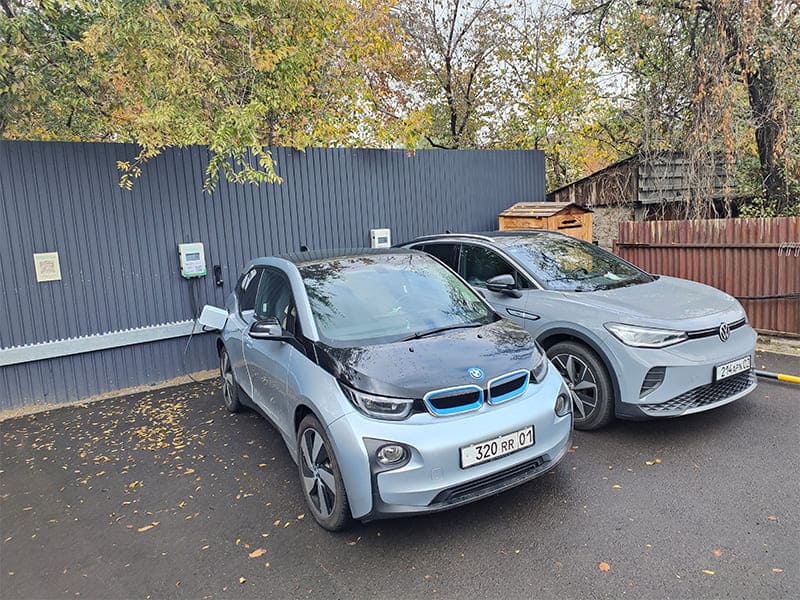
The hospitality industry greatly values EV charging stations. Hotels and resorts install wall mounted units. They offer this service to eco-conscious travelers. Similarly, retail centers use them to attract shoppers. Customers stay longer and spend more money. Furthermore, supermarkets can provide charging. People can charge while they grocery shop. Thus, it adds significant value to the business. Additionally, these chargers are easy to maintain. They require minimal space for installation.
Public and Municipal Areas
Cities are expanding EV infrastructure rapidly. Public areas now feature many charging points. A wall mounted Electric Vehicle charger fits perfectly here. For example, they are used in public car parks. Also, they are found near libraries and town halls. Moreover, hospitals and clinics install them. Patients and staff can charge their vehicles. Furthermore, schools and universities are adopting them. Teachers and students drive electric cars. Therefore, these chargers support sustainable communities.
Aegen’s Role and Global Reach
Aegen is a key player in this market. They manufacture EV charging station components. Also, they provide complete charging piles. Their technical support is free for clients. Customization services are also available. They partner with many EV charger dealers. Additionally, they work with installation companies. They also supply parts to assembly firms. Their products are sold in many regions. These include Central Asia and the Middle East. Also, Europe and South America are key markets. Their wall mounted EV charger is widely used.
Commercial vs. Home Charging Stations
EV charging stations are either commercial or residential. Commercial DC stations are high-powered. They are used in shopping malls and offices. Also, they are found on highways and in fleets. Plug types include CCS1, CCS2, and GB/T. CHAdeMO and NACS are also common. Power levels range from 20kW to 240kW. Conversely, commercial AC chargers are slower. They suit places with longer parking times. These include corporate garages and residential complexes. Plugs are Type 1, Type 2, GB/T, or NACS.
Conclusion: A Smart Investment
In conclusion, the wall mounted EV charger is versatile. It meets diverse commercial charging needs. From offices to fleet depots, its utility is clear. Businesses should consider this efficient solution. It supports the global shift to electric transport. Therefore, investing in such infrastructure is wise. It promises a sustainable and profitable future.