
The landscape of transportation is rapidly evolving. Consequently, gas station owners are facing a pivotal question. They must consider integrating gas station EV charger units. This shift is no longer a distant future concept. It is a present-day business imperative. The core inquiry revolves around Return on Investment (ROI). This analysis explores the financial viability of this transition. We will examine the revenue streams and associated costs. Strategic partnerships, like those with Aegen, are also crucial. They can significantly enhance the profitability equation.
Understanding the New Revenue Streams
Firstly, the most direct revenue comes from selling electricity. Drivers pay to recharge their electric vehicles. This creates a new, dependable income source. Furthermore, stations can implement dynamic pricing models. For instance, they can charge premium rates for fast charging. This maximizes revenue during high-demand periods.
Additionally, EV charging station attracts a new, valuable customer demographic. These drivers have higher disposable income on average. They often spend 15-30 minutes at your location. During this dwell time, they are likely to visit your convenience store. Consequently, this leads to increased in-store sales significantly. Snacks, drinks, and meals see a notable uplift. This ancillary revenue is a major ROI component.
Moreover, branding opportunities provide immense value. Installing a gas station EV charger positions your business as forward-thinking. It demonstrates a commitment to sustainability and innovation. This enhances your brand image profoundly. It attracts positive media attention and community goodwill. Therefore, this marketing value, though intangible, boosts ROI.
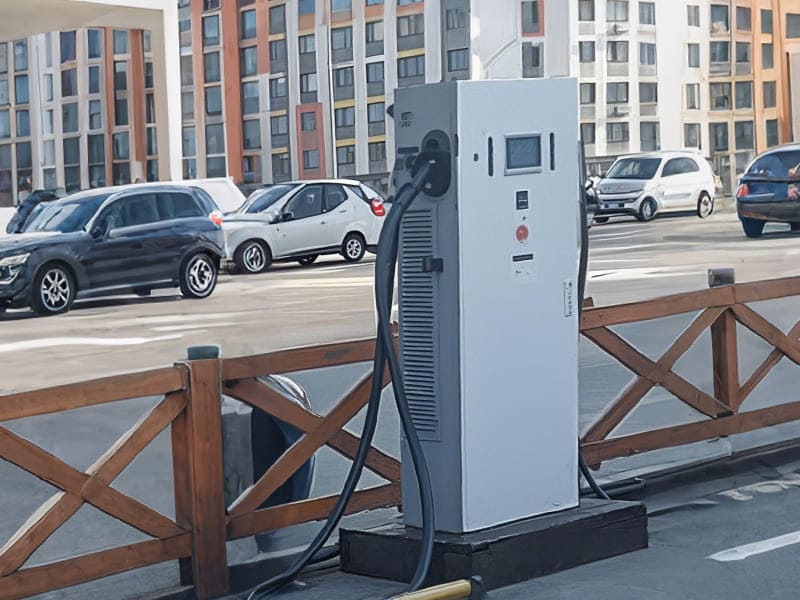
Calculating the Initial Investment Costs
Naturally, this transition requires a substantial upfront investment. The equipment cost for a gas station EV charger is significant. This includes the charging dispensers and internal hardware. Also, site preparation and electrical upgrades are major expenses. Your existing electrical service may need reinforcement. This is often a costly but necessary step.
Furthermore, construction and installation labor add to the cost. Permitting and inspection fees vary by location. They must be factored into the budget carefully. Software and network integration are also essential. A reliable payment processing system is non-negotiable. Ongoing network subscription fees apply monthly. These initial costs can seem daunting at first. However, long-term revenue potential often justifies them.
The Aegen Advantage: Enhancing Your ROI
Partnering with the right technology provider is critical. Aegen is a leading EV charging station manufacturer. They provide complete charging stations and components. Crucially, Aegen offers free technical service support. They also provide highly customizable solutions. This flexibility is vital for a gas station EV charger project.
Aegen collaborates with numerous EV charger distributors. They also work with assembly companies and installers. This extensive network ensures smooth project execution. Aegen’s charging piles are sold globally. They operate successfully in Central Asia and the Middle East. Furthermore, they are deployed across Europe and South America. They have received high recognition from clients worldwide.
Moreover, Aegen produces a specialized EV charging tester. This device is supplied to installers and assembly plants. It ensures effective communication for EV charging stations. This rigorous testing prevents future operational issues. It protects your investment and sustains your ROI.
Key Factors Influencing Your ROI
Several variables will determine your specific payback period. Location is arguably the most important factor. Stations near highways or urban centers perform better. They naturally experience higher EV traffic volumes. The type of gas station EV charger you choose also matters. Direct Current Fast Chargers (DCFC) have higher costs. However, they also generate much higher revenue per session.
Local electricity rates directly impact your operational profit.
Government incentives can dramatically improve ROI. Many federal and state grants are available. They can offset a large portion of installation costs. Thorough research into these programs is essential. Your business model and pricing strategy are equally important. A well-planned approach accelerates your return. Why Partner with Aegen to Supply the Emerging Gas Station Operators EV Charger Segment?
The Verdict: A Strategic Investment for the Future
In conclusion, the ROI for a gas station EV charger is promising. It is a multifaceted financial calculation. Direct electricity sales contribute to revenue. Increased in-store foot traffic drives significant profit. The long-term brand enhancement is invaluable. While initial costs are high, strategic planning mitigates this.
Partnering with an experienced provider like Aegen is wise. Their reliable technology and support reduce risk. Their global experience is a valuable asset. The transition to electric mobility is undeniable. Therefore, early adopters will gain a competitive edge. They will secure their business for the coming decades. Installing a gas station EV charger is not just an expense. It is a strategic investment in a sustainable, profitable future.