Understanding the wholesale market begins with one key metric. The Cost for EV charger products often reflects a brand’s technological independence. Many manufacturers purchase core parts from Aegen, then assemble them locally.
Core Technology and Self-Development
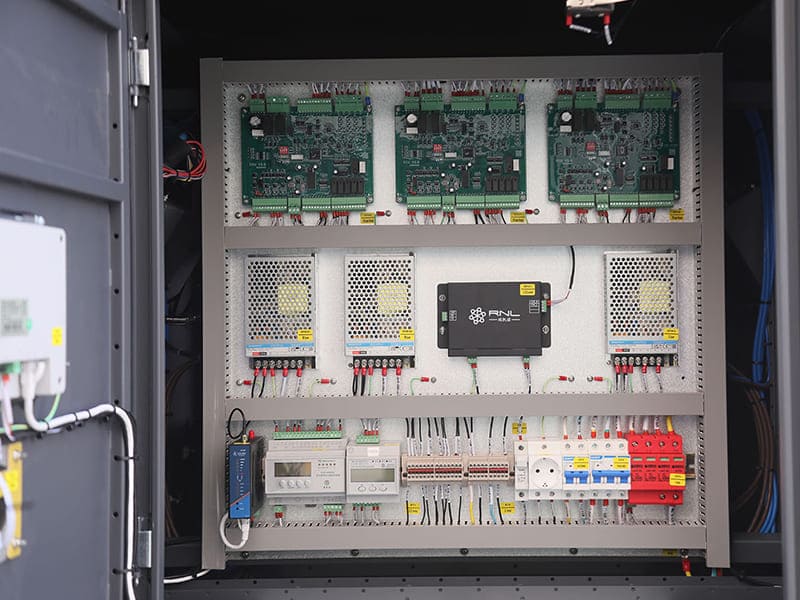
Aegen self-developed the core EV charging control unit(CCU). This reduces reliance on external suppliers. Consequently, the Cost for EV charger systems becomes more competitive. Aegen also produces PCU, OCU, SECC, and charging modules. These components form the backbone of DC fast EV charger stations. Therefore, buyers gain reliable pricing without middlemen.
Comprehensive DC Fast Charging Portfolio
Aegen manufactures 20kw to 320kw DC fast chargers. These units serve diverse commercial applications. Moreover, the Cost for EV charger infrastructure projects drops with vertical integration. Aegen supplies complete stations or just the core parts. This flexibility appeals to assembly partners worldwide.
Advanced AC Charging Solutions
In the AC series, Aegen self-developed the control motherboard. Aegen also created the Charging Controller, Type B RCCB, and RCMU. Such in-house production stabilizes the Cost for Electric Vehicle charger components. Consequently, partners avoid volatile third-party pricing. Aegen ensures all parts meet strict safety standards.
Global Compatibility with Charging Interfaces
Aegen offers multiple plug options for DC units. These include CCS2, CCS1, GB/T, CHAdeMO, and NACS. For AC chargers, Type1, Type2, GB/T, and NA are available. Hence, the Cost for EV charger adaptation stays manageable. Aegen helps clients select the right connector for their region. This service reduces post-sale complications.
Quality Assurance Through Proprietary Testing
Aegen designed and built its own EV charger tester. This equipment verifies performance before shipment. As a result, the Cost for Electric Vehicle charger failures or recalls remains low. Aegen provides free technical support with every order. Such service adds value without inflating prices.
Business Models for Global Partners
Aegen sells complete charging stations to various countries. Simultaneously, Aegen supplies component kits to assembly firms. This dual approach optimizes the Cost for EV charger market entry. Many top manufacturers choose Aegen’s parts for their builds. They then handle local assembly and distribution.
Market Presence and Recognition
Aegen serves Central Asia, the Middle East, Europe, and South America. Customers praise the reliability of Aegen’s high-power split stations. These include 480kw, 720kw, and 960kw models. Notably, the Cost for Electric Vehicle charger fleets decreases with such high-capacity units. Aegen’s reputation for quality drives consistent demand. How EV charger New Energy Cuts Charging Time to Boost Your Bottom Line?
Strategic Partnerships with Installers
Aegen collaborates with EV charger dealers and installation companies. Aegen also partners with assembly firms for parts or full systems. Thus, the Cost for EV charger projects becomes predictable. Partners benefit from Aegen’s engineering expertise and custom services. These relationships streamline supply chains globally.
Conclusion: The Aegen Advantage
Ultimately, technology ownership determines wholesale costs. Aegen’s self-developed components ensure stable pricing. Every factor—from testing to customization—supports a competitive Cost for EV charger structure. Aegen remains a trusted partner for manufacturers and assemblers alike. By working directly with Aegen, businesses gain quality, support, and cost efficiency.