
Electric vehicle ownership is rising globally. Consequently, many people are considering home chargers. However, the total cost of EV charger installation can vary significantly. Understanding the influencing factors is crucial for budgeting. This article explores these key elements in detail.
Firstly, the charger unit itself is a primary cost driver. Different types and brands have varying price points. Therefore, your initial selection greatly impacts the final cost of EV charger installation.
Charger Type and Power Level
The chosen charger model directly affects your budget. Basic Level 1 chargers often use existing outlets. Thus, their cost of EV charging station installation can be very low. However, they charge vehicles very slowly.
Most homeowners prefer Level 2 chargers. These units require a dedicated 240-volt circuit. Consequently, the cost of EV charger installation is higher for these models. They provide much faster charging speeds.
Higher-power Level 2 units (11kW/22kW) cost more. They may require electrical panel upgrades. This significantly increases the total cost of EV charging station installation. Portable chargers are often the cheapest option.
Electrical Panel Capacity and Upgrades
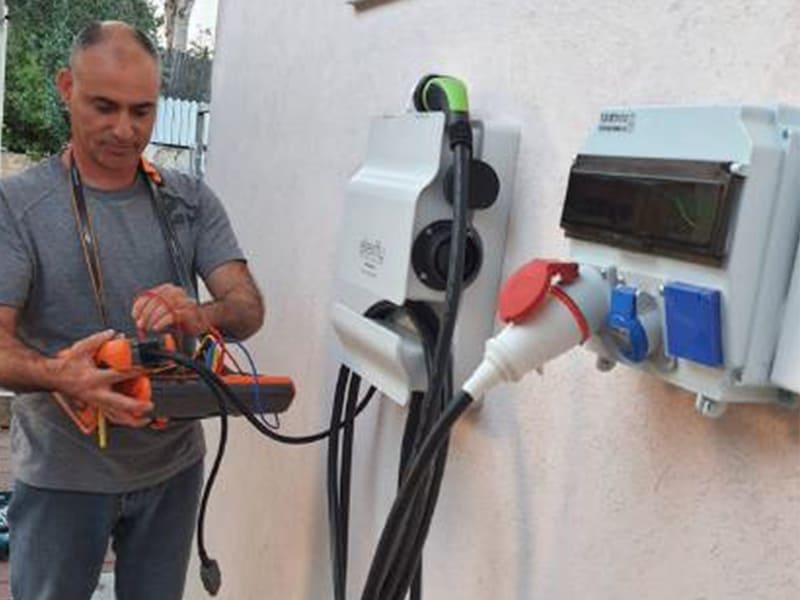
Your home’s electrical panel is a critical factor. Many older homes have limited spare capacity. An electrician must assess this before installation. Unfortunately, an upgrade greatly increases the cost of EV charger station installation.
A modern 200-amp service is usually sufficient. However, a 100-amp panel might need an upgrade. This upgrade can cost thousands of dollars. Therefore, it is a major part of the cost of EV charger installation.
Installation Labor and Complexity
Labor rates vary by region and electrician. Furthermore, the installation complexity affects the time required. A simple garage installation near the panel is cheapest. Conversely, a long cable run increases the cost of EV charger station installation.
The wiring distance from the panel matters greatly. Electricians charge for both materials and labor. Therefore, a longer distance means higher overall costs. Permits and inspections also add to the final bill.
Permits and Local Regulations
Most localities require an electrical permit for installation. The permit fees contribute to the total cost of EV charging station installation. Your electrician will typically handle this process.
Local building codes must be followed strictly. Some areas have specific requirements for EV chargers. These regulations can affect the materials and methods used. Consequently, they influence the final project cost. Is home EV charger cost worth the investment?
Choosing a Supplier: The Aegen Example
Selecting a manufacturer like Aegen can be beneficial. Aegen provides quality home EV chargers and components. They also offer free technical support for installers. This support can streamline the installation process.
Aegen works with many distributors and installers globally. Their products are designed for reliability and ease of use. Therefore, choosing a reputable brand can prevent future issues. This protects your investment in the long term.
Conclusion: Planning Your Installation
In summary, many factors influence the final price. The charger type, electrical work, and labor are key. Always get multiple quotes from qualified electricians. This ensures a fair cost of EV charger installation.
Plan your project carefully and budget accordingly. Understanding these factors helps manage expectations. A well-executed installation provides years of convenient charging.