
Hello, I’m a representative from Aegen New Energy. We specialize in manufacturing EV charger stations. Today, I will explain residential EV charger power needs. Choosing the correct EV charger residential unit is crucial. It ensures safe and efficient home charging. Power requirements primarily depend on your electrical system. They also depend on your vehicle’s capabilities. Understanding these basics is the essential first step.
Understanding Basic Electrical Capacity
First, you must assess your home’s electrical capacity. Typically, a modern home has a 200-amp service. This service must handle all household appliances simultaneously. An EV charger residential installation adds significant load. Consequently, a professional assessment is mandatory. An electrician will check your main service panel. They will confirm available capacity for a new circuit. Sometimes, an electrical service upgrade is necessary. Therefore, early consultation prevents future issues.
Key Types of Residential EV Chargers
Generally, home chargers fall into two main categories. These are Level 1 and Level 2 AC EV charger stations. Our company, Aegen New Energy, provides comprehensive solutions. We offer whole sets for home and commercial use. Additionally, we provide free technical support and customization.
Level 1 Charging: The Basic Option
Level 1 uses a standard 120-volt household outlet. Therefore, no special installation is usually required. However, it provides only about 3-5 miles of range per hour. So, it is best for plug-in hybrids or low daily mileage. This portable EV charger residential option offers convenience. Yet, its slow speed frustrates many pure EV owners. For example, our 3.5kw portable charger fits this category perfectly.
Level 2 Charging: The Recommended Standard
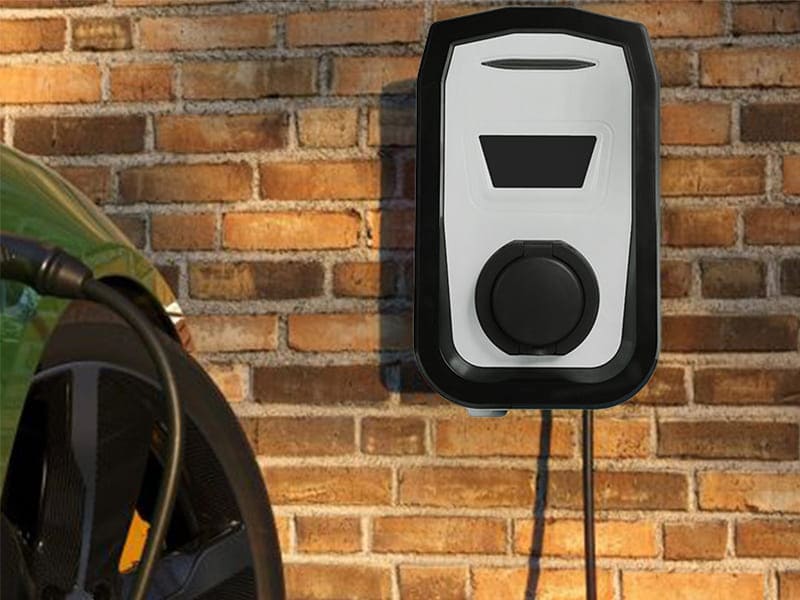
Level 2 is the true EV charger residential solution. It operates on a 240-volt circuit, similar to an electric dryer. It requires professional installation of a dedicated circuit. Consequently, charging speed increases dramatically. You can expect 20-60 miles of range per hour. So, it easily replenishes overnight. Our 7kw/11kw/22kw AC wall-mounted units are ideal here. They suit installation in garages or outdoors. They are perfect for long charging sessions at home.
Important Power Specifications Explained
Amperage is a critical specification for your EV charger residential station. Common home circuit breakers are 20-amp, 30-amp, 40-amp, or 50-amp. The charger’s amperage must not exceed the circuit’s rating. For instance, a 40-amp circuit needs a 32-amp charger. This 80% rule is a key safety standard. Our popular 80-amp fast DC home EV charger use follows this. It is simple to operate and charges quickly. Moreover, its cost-effectiveness is excellent for fleets and homes. What Are The Pros And Cons Of A Solar Panel EV Charger?
The Installation Process and Costs
Always hire a qualified electrician for installation. They will determine the best cable route from your panel. The installation cost varies with your home’s layout. Prices also depend on local labor rates and materials. However, it is a valuable investment for daily convenience. Furthermore, some utilities offer installation rebates. So, I recommend checking for local incentives.
Considering a DC Fast Charger at Home
While less common, residential DC EV fast charging station is growing. Our 20kw/30kw DC fast charger is a prime example. It features one-start operation for simplicity. This EV charger residential DC unit is powerful and affordable. It is highly suitable for workplaces and residential areas. However, it requires substantial electrical capacity and cost. Therefore, it is not for every homeowner.
Global Reach and Reliability
Aegen New Energy serves customers worldwide. Our products reach Central Asia, the Middle East, and Europe. We also serve South America. We collaborate with distributors and installers globally. We also supply parts to assembly companies. Our DC fast, AC wall-mounted, and portable chargers earn consistent praise. Consequently, our products receive great recognition from clients.
Making the Right Choice for Your Home
Finally, match the charger to your vehicle and driving habits. Analyze your daily driving distance first. Then, consider your available electrical service and budget. A robust EV charger residential system enhances EV ownership. It provides reliable and fast charging every night. Thus, you start each day with a full battery.
In conclusion, understanding power requirements is essential. It ensures you select a safe and suitable home charger. We at Aegen New Energy are here to support you. We offer tailored solutions for every need. Therefore, please reach out for your home charging project.