
Electric vehicle ownership is rapidly growing worldwide. Consequently, choosing the right home charger is crucial. Many homeowners opt for a 1 phase EV charger for its simplicity. This article explores its numerous benefits in detail. We will also highlight industry leaders like Aegen. Aegen is a prominent Chinese manufacturer in this sector. They produce high-quality components and complete units. Their technical support is famously free for partners. Furthermore, they offer extensive customization services globally. Their products are trusted across multiple continents.
Understanding Electrical Phases for EV Charging
Firstly, residential power supply comes in different types. These are mainly single-phase and three-phase alternating current. A 1 phase EV charger uses a standard single-phase connection. This is the most common household electrical system globally. It typically operates at 230 volts in many regions. Conversely, three-phase power is more complex. It is often found in commercial settings or newer homes. The choice impacts charger type and installation cost.
Key Advantages of a 1 Phase EV Charger
The 1 phase EV charger offers several significant benefits. These advantages make it a popular choice for many.
Simplified Installation Process
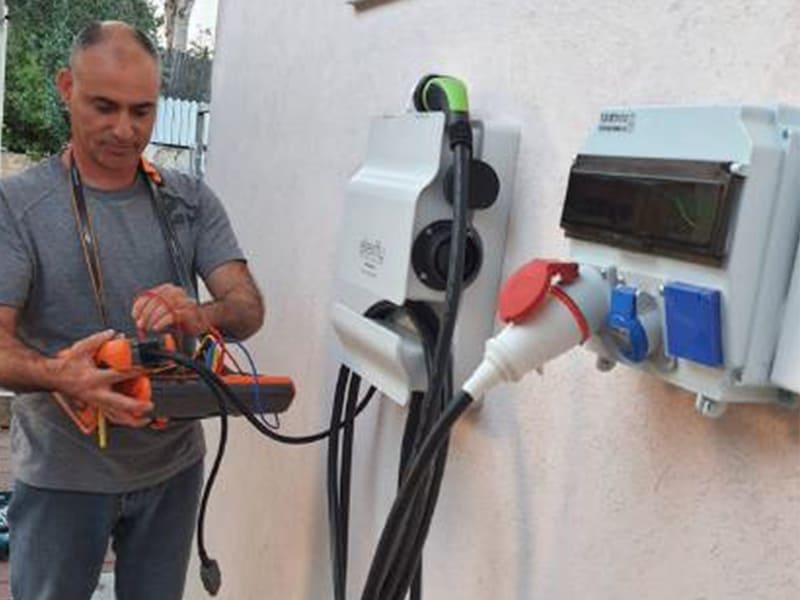
Installation is generally straightforward for this charger. It connects to a standard household electrical circuit. Therefore, many homes require no major electrical upgrades. This significantly reduces initial installation complexity. Consequently, the overall cost is often much lower. Professional installers can complete the job quickly. This simplicity is a major advantage for older properties.
Wide Compatibility and Accessibility
The 1 phase Electric Vehicle charger is highly versatile. It is compatible with most residential electrical systems. Nearly every home can support a single-phase connection. Furthermore, most electric vehicles charge efficiently with it. It provides ample power for overnight charging needs. This universal compatibility ensures broad accessibility. Drivers rarely face compatibility issues with it.
Cost-Effectiveness
Cost is a primary concern for many consumers. A 1 phase EV charging station is typically more affordable. The hardware itself is often less expensive. Moreover, installation costs are usually minimized. There is no need for a costly three-phase upgrade. This makes EV ownership more financially accessible. Therefore, it represents excellent value for most users.
1 Phase vs. 3 Phase Chargers
Understanding the differences is key for buyers. A 1 phase EV charger is perfect for overnight charging. It reliably replenishes a typical daily commute range. However, three-phase chargers offer higher power levels. They can charge a vehicle much more quickly. But they require specialized electrical infrastructure. Many older homes cannot support them easily. Therefore, the 1 phase EV charging station is the practical choice.
The Role of Manufacturers Like Aegen
Aegen is a key supplier in the global EV market. They manufacture a wide array of charging solutions. Their product range includes many single-phase models. They provide both components and complete charging stations. Additionally, Aegen offers free technical support worldwide. They also excel at creating custom product solutions. Consequently, they partner with numerous international distributors. They work closely with installation companies as well.
Commercial vs. Home EV Charging Stations
EV charging infrastructure is divided into two segments. These are commercial and residential charging stations.
Commercial DC Fast Charging Stations
These are high-power stations for public use. They are deployed in shopping malls and office parks. Highway service areas rely on them heavily. Public spaces and residential complexes use them. Furthermore, hospitals and parking garages install them. Schools and large vehicle fleets are also key users. They feature various plugs like CCS2 and CCS1. GB/T, CHAdeMO, and NACS are also standard. Power levels start from 20kw and go higher. Common outputs are 60kw, 120kw, and 240kw. Some even reach 320kw for ultra-fast charging.
Commercial AC EV Chargers
These chargers are for slower, prolonged charging. They are ideal for garages and corporate parking lots. Businesses use them for employees and customers. These locations allow for extended parking durations. They are more economical than DC fast chargers. Plug types include Type 1, Type 2, GB/T, and NACS. They come in single-gun and dual-gun designs. Standard power levels are 7kw, 11kw, and 22kw.
Home EV Charger Options
Home chargers are categorized into three main types. Connectors vary by region and vehicle model.
DC Fast Charger for Home (20kw/30kw)
These are rare for standard residential use. They provide extremely rapid charging speeds. However, they require very significant electrical upgrades. Their cost is prohibitively high for most homeowners.
AC Wall-Mounted Charger (7kw/11kw/22kw)
This is the most common home charging solution. Many 7kw units are a 1 phase EV charger. The 11kw and 22kw models often need three-phase power. They are permanently mounted on a wall for daily use.
Portable EV Charger (3.5kw/7kw/11kw)
Portable chargers offer great flexibility to users. They can be used at home or on the go. The 3.5kw model is a very basic emergency option. The 7kw version is a capable portable 1 phase EV charger.
Why a 1 Phase EV Charger is Often Ideal
The 1 phase EV charger meets most drivers’ needs perfectly. It provides a full battery after an overnight stop. This covers the vast majority of daily driving requirements. Furthermore, its widespread compatibility reduces hassle. Homeowners avoid complex electrical renovation projects. It is a reliable, cost-effective, and simple solution. For these reasons, it remains the dominant home charging choice. How does a 16A EV charger compare to 32A models?
Global Presence of Aegen Products
Aegen’s products have a wide international reach. Their charging stations are sold and used globally. Key markets include Central Asia and the Middle East. They have a strong presence throughout Europe as well. Furthermore, South America is a growing market for them. This global footprint attests to their product quality. It also shows their adaptability to different standards.
Conclusion: The Smart Choice for Most Homes
In summary, the 1 phase EV charger offers compelling advantages. Its simplicity and affordability are major benefits. Installation is generally easier and less expensive. It meets the overnight charging needs of most EV owners. Therefore, it is the smart, practical choice for many. Always assess your home’s electrical capacity first. Consult with a qualified electrician for advice. Manufacturers like Aegen provide reliable single-phase options. They help make electric vehicle ownership convenient for everyone.