
Aegen, a Chinese EV charger maker, knows the profit margin EV charger depends on many factors. For operators, the profit margin Electric Vehicle charger often feels unpredictable. However, three key variables explain most of its swings. These are utilization rate, electricity cost, and maintenance. Therefore, Aegen shares insights from its global sales data. First, let us define the term. The profit margin EV charger equals revenue minus operating expenses. Then, we compare each factor’s impact. This analysis helps buyers and installers alike.
Utilization Rate: The Dominant Driver
Among all factors, utilization rate matters most. Aegen sees this clearly across markets. A charger sitting idle earns zero revenue. Conversely, a busy charger spreads fixed costs thinly. For example, a 120kW DC fast EV charging station needs daily use. Low utilization crushes the profit margin EV charger quickly. Indeed, raising usage from 10% to 30% doubles margins. Aegen recommends targeting high-traffic locations. Shopping malls and highway stops work best. Nevertheless, oversupply hurts everyone. Too many chargers in one area reduce each unit’s use. Consequently, the profit margin Electric Vehicle charger suffers even with cheap electricity. Aegen advises dynamic pricing to boost off-peak use. This strategy lifts the profit margin EV charging station without raising costs. In short, utilization rate is king.
Electricity Cost: A Significant but Manageable Factor
Electricity cost ranks second in importance. EV charger station with Payment directly affects variable expenses. Aegen’s customers pay between 0.10and0.30 per kWh. This range can change the profit margin EV charger station by 10-15%. However, operators can hedge against high rates. They can install solar panels or buy battery storage. Also, time-of-use tariffs offer savings. Charging overnight lowers electricity cost sharply. Aegen provides smart scheduling in its chargers. This feature automatically shifts charging to cheap hours. Therefore, the profit margin Electric Vehicle charger improves without changing hardware. Yet, electricity cost alone never decides profitability. A high-utilization charger survives expensive power. A low-utilization charger fails even with free electricity. Thus, electricity cost is a secondary lever. Aegen helps clients negotiate better utility contracts. Still, utilization remains the true anchor for the profit margin EV charging station.
Maintenance: The Silent Erosion
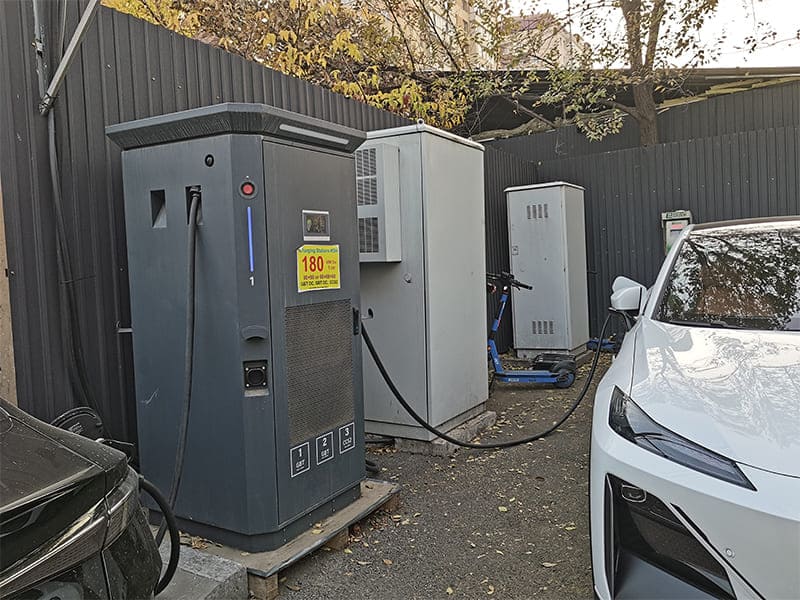
Maintenance costs often surprise new operators. They slowly eat into the profit margin EV charger. Aegen notes that DC fast chargers need more upkeep. Dust, heat, and cable wear cause issues. Monthly cleaning and firmware updates prevent breakdowns. For a 160kW charger, annual maintenance runs 500−1,000. This equals 5-10% of gross revenue. So, ignoring maintenance hurts the profit margin EV charger over time. But preventive care reduces sudden failures. Aegen offers free technical support with every unit. This service lowers downtime and repair bills. Moreover, modular designs cut replacement costs. For instance, swapping a power module takes minutes. Consequently, the profit margin Electric Vehicle charger stays healthier. Still, maintenance is rarely a margin killer. It only becomes critical at very low utilization. Therefore, it ranks third in importance.
Comparing the Three Factors
Let us quantify each factor’s typical impact. Utilization rate can swing the profit margin EV charger by 40% or more. Electricity cost changes it by 10-15%. Maintenance affects it by 5-10%. These numbers come from Aegen’s field data. For a 60kW DC EV charger, utilization is everything. For a 320kW DC unit, electricity cost matters more. But utilization still leads. Aegen provides real-world examples. In Europe, one operator raised utilization from 15% to 35%. The profit margin Electric Vehicle charger jumped from 8% to 22%. Electricity cost stayed the same. Maintenance rose slightly. The key lesson is clear. Focus on getting cars to plug in.
Practical Advice from Aegen
Aegen recommends three actions for better margins. First, choose locations with existing traffic. Second, install multiple gun types like CCS2 and NACS. Third, use smart load management. These steps directly lift utilization. Then, negotiate electricity rates as a group. Aegen helps its partners form buying cooperatives. This cuts per-kWh cost by up to 20%. Finally, schedule monthly maintenance checks. Aegen’s free support includes remote diagnostics. This prevents small issues from growing. Remember, the profit margin Electric Vehicle charger improves steadily. It does not require drastic changes. Small gains in utilization create large margin boosts. EV charger for Community: Which type works best for apartments and HOAs?
Conclusion
In summary, utilization rate affects the profit margin EV charger most. Electricity cost comes second. Maintenance is third. Aegen’s global experience proves this order. For new operators, focus on traffic first. For existing sites, raise off-peak use. Then, optimize electricity sourcing. Keep maintenance predictable and regular. Aegen supplies chargers from 7kW to 960kW. It also offers customization and fast delivery. With the right strategy, any operator can improve the profit margin EV charger. Start by measuring your current utilization rate. That single number tells you most of the story.