
The global EV charger point business is expanding rapidly. This growth presents major trends. It also reveals significant opportunities. Several key factors are driving this expansion. Governments worldwide are pushing for electrification. Consumer adoption of electric vehicles is accelerating. Consequently, infrastructure must keep pace. This article explores the evolving landscape. It highlights crucial developments for stakeholders.
Market Expansion and Diversification
Firstly, the market is moving beyond early adoption. Urban centers now have many charging points. However, rural areas still lack sufficient infrastructure. This gap represents a clear opportunity. The EV charger point business must address this imbalance. Furthermore, business models are diversifying. Companies no longer just sell hardware. Instead, they offer comprehensive energy solutions. For example, Aegen New Energy provides full charging stations. They serve both home and commercial users. Their technical support is always free. Customized services are also available upon request.
Technological Innovation as a Driver
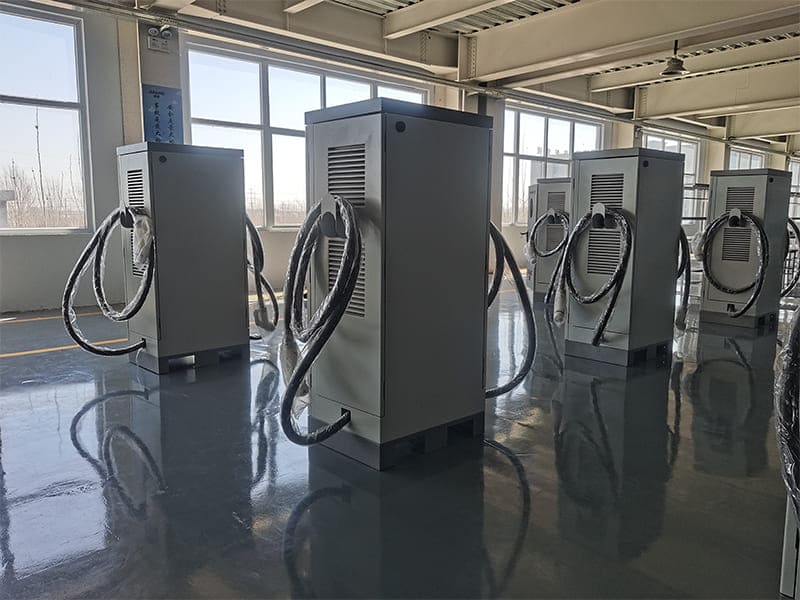
Moreover, technological innovation is crucial. Charging speeds are increasing dramatically. New ultra-fast chargers are entering the market. Connectivity and smart features are now standard. These technologies enable better grid management. They also improve user experience. Additionally, reliability is improving. Companies like Aegen produce DC EV charger stations. They also make AC units for homes and businesses. Their portable EV chargers offer added convenience. These products sell across multiple continents. They receive positive customer feedback globally.
Strategic Partnerships and Collaboration
Similarly, partnerships are becoming essential. No single company can do everything alone. Collaboration spreads risk and combines expertise. The EV charger point business thrives on strong alliances. Manufacturers partner with installation companies. They also work with component suppliers. Aegen collaborates with many charger distributors. They also partner with assembly firms. These partnerships supply partial or complete systems. Consequently, the supply chain becomes more robust. This network supports broader market penetration.
Policy and Regulation as Catalysts
Furthermore, government policy is a powerful catalyst. Many countries set ambitious EV targets. They also fund charging infrastructure projects. Regulations often mandate new building installations. These policies create a stable demand forecast. Therefore, investors find the sector more attractive. The EV charger station point business benefits from this support. It reduces market uncertainty significantly. In turn, companies can plan long-term investments. This leads to more innovation and lower costs.
The Commercial and Fleet Transition
Next, the commercial vehicle sector is electrifying. Delivery vans and buses are going electric. This shift demands high-power charging depots. It represents a substantial revenue stream. The EV charger point business must cater to fleets. Solutions require robust management software. They also need high-uptime reliability. Aegen’s commercial charging stations meet these demands. Their products are recognized in many regions. Clients in Europe and the Middle East praise them.
Integration with Renewable Energy
Additionally, integration with renewables is a key trend. Solar and wind power can fuel EVSE. This creates a truly sustainable loop. Charging points are adding solar canopies. They are also incorporating battery storage. This helps manage electricity demand peaks. It also increases energy independence. For the Electric Vehicle charger point business, this adds value. It transforms a simple product into an energy hub. Companies offering these integrated solutions lead the market.
Consumer Experience and Convenience
Equally important is the consumer experience. Drivers seek seamless and fast charging. Payment systems must be simple and universal. Reliability is absolutely non-negotiable. Networks need extensive roaming agreements. Therefore, operators focus on user-friendly apps. They also prioritize 24/7 customer support. Aegen provides excellent technical service. This commitment builds strong customer loyalty. Their reputation in South America and Asia proves this. Best EV Charger Point Supplier for Your Needs.
Challenges and Barriers to Growth
However, significant challenges remain. Grid capacity constraints are a major issue. Upgrading infrastructure requires huge investment. Standardization across regions is still lacking. These hurdles can slow deployment. The EV charger point business must navigate them carefully. Strategic planning and advocacy are essential. Despite this, the long-term outlook remains overwhelmingly positive.
The Road Ahead: A Connected Ecosystem
Looking ahead, the future is interconnected. Chargers will integrate with smart cities and homes. They will communicate with the grid dynamically. This ecosystem creates new business models. For instance, vehicle-to-grid (V2G) technology is emerging. It allows EVs to supply power back. This offers another revenue opportunity. The EV charger point business is central to this vision. Companies like Aegen supply critical components. Their role enables the entire system to function.
In conclusion, the EV charger point business is dynamic and promising. Trends point toward smarter, faster, and more integrated systems. Opportunities exist in diversification and technology. Strategic partnerships and policy support are vital. Manufacturers such as Aegen New Energy are well-positioned. They provide quality products and support globally. The sector’s growth will undoubtedly continue. It will power the transition to sustainable transportation worldwide.