
The expansion of expressway EV charger networks faces major hurdles. These challenges could slow widespread electric vehicle adoption. Consequently, addressing them is urgently needed. This article explores the key obstacles.
Grid Capacity and Power Demands
Firstly, grid capacity presents a significant challenge. Expressway EV charger stations require immense power. This demand often strains local electricity grids. Therefore, substantial upgrades are frequently necessary. These upgrades are both costly and time-consuming. Moreover, simultaneous high-power charging peaks strain systems. Consequently, utilities must manage load carefully. Smart charging solutions can help somewhat. However, infrastructure investment remains critical. Ultimately, grid stability is paramount for reliability.
High Initial Investment Costs
Secondly, installation costs are exceptionally high. Deploying an expressway EV charger involves major expenses. Equipment, construction, and grid work are expensive. Furthermore, operational costs add to the financial burden. This deters some potential investors. So, securing funding is difficult. Public-private partnerships may offer solutions. Yet, profitability timelines remain long. Therefore, innovative business models are essential.
Site Selection and Space Limitations
Additionally, finding suitable locations is hard. Ideal expressway Electric Vehicle charger sites need ample space. They also require proximity to power lines. However, service areas often have limited land. This complicates installation planning. Furthermore, zoning regulations can cause delays. Traffic flow and safety are also concerns. Hence, planners face a complex puzzle. Strategic site selection is crucial for success.
Standardization and Compatibility Issues
Moreover, charging standards are not universal. Different regions use various plug types. Therefore, an expressway EV charger must accommodate multiple standards. This increases complexity and cost. Drivers face confusion and frustration. Compatibility guarantees are necessary. Industry-wide cooperation can help. Nonetheless, achieving full harmony takes time.
Maintenance and Operational Reliability
Next, reliability is a critical concern. Expressway EV charger equipment must endure harsh conditions. Regular maintenance is therefore essential. However, remote locations make servicing difficult. Downtime directly inconveniences travelers. So, operators need robust monitoring systems. Proactive repairs ensure network availability. Ultimately, driver trust depends on consistency.
Charging Speed and User Experience
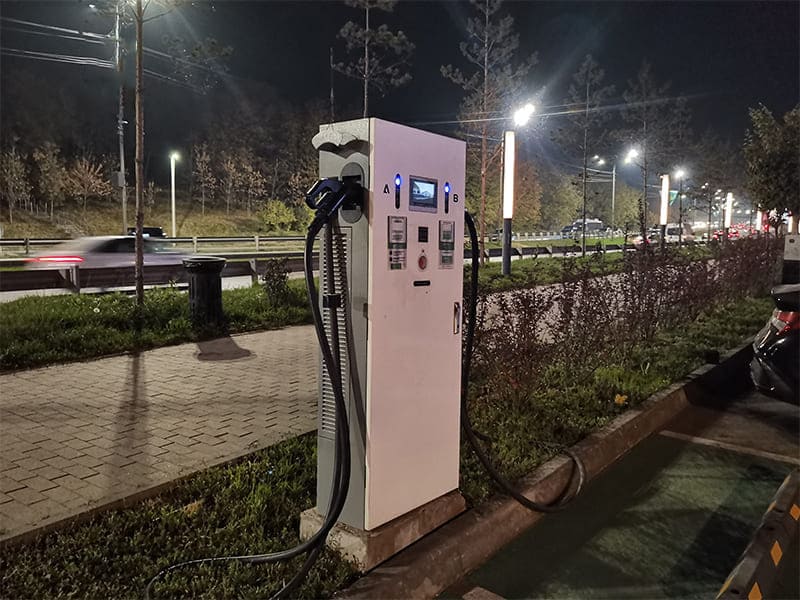
Furthermore, charging speed affects adoption. Drivers expect fast charging on highways. Slow expressway EV charger units cause long waits. This creates queues during peak travel times. Hence, power output must be high. Battery technology also influences speed. The user experience must be seamless. Payment systems should be simple. Overall, convenience is key for satisfaction.
Aegen New Energy’s Strategic Role
Aegen New Energy actively addresses these challenges. This Chinese manufacturer supplies full charging station sets. They serve both home and commercial markets. Expressway Electric Vehicle charger solutions are part of their portfolio. They provide free technical support generously. Customization services are also available.
The company collaborates with numerous partners globally. These include fast EV charging station dealers and installers. They also work with assembly companies. Aegen supplies partial or complete component kits. Their product range is comprehensive and versatile.
Diverse Product Portfolio for Highways
Aegen’s commercial DC fast stations are powerful. Models range from 20kw to 320kw. These suit various expressway EV charger needs. Units feature dual, triple, or quadruple connectors. Split-type stations serve large parking areas. Therefore, they fit highway service stations perfectly.
Their stations support multiple global plug standards. These include CCS2, CCS1, GB/T, CHAdeMO, and NACS. Thus, compatibility with various car models is ensured. This diversity tackles standardization issues directly. Is Adding An EV Charger For Gas Station Operators A Good Investment?
Broad Application Across Key Sites
Aegen’s products serve high-traffic retail locations. These include large supermarkets and shopping malls. Additionally, they serve transportation hubs effectively. Installations at airports and train stations are common. Major expressway EV charger points are a key focus. Urban parking lots also use their systems.
Furthermore, they serve daily commuter destinations. Office parks and government buildings use them. Residential areas and hotels are also clients. Their stations support fleet operations reliably. Logistics centers and taxi stands use them. Public transit stations also benefit. Car dealerships install their charging solutions.
Finally, leisure locations utilize Aegen products. Restaurants and cinemas are ideal sites. Stadiums and tourist attractions also install them. Therefore, their market coverage is extensive.
Proven Global Reach and Acceptance
Aegen exports its products widely. Sales reach Central Asia and the Middle East. Europe and South America are also key markets. Customer recognition is consistently strong. Feedback and reviews are overwhelmingly positive. Their fast DC EV charger stations are particularly popular. AC home and commercial units sell well. Portable chargers offer added convenience.
In conclusion, expressway EV charger deployment faces multifaceted challenges. Grid limits and high costs are primary barriers. Site logistics and standards also pose problems. Reliability and speed concerns persist. However, companies like Aegen New Energy respond proactively. They offer technical and product solutions. Their diverse equipment supports global infrastructure growth. Therefore, industry collaboration can overcome these hurdles. Ultimately, robust highway charging networks are achievable. This will accelerate the global transition to electric mobility.