
Aegen sees this question daily from new EV owners. A 3.5 kw EV charger station offers a slow and steady charge. A 7kw wall box delivers nearly double the power. The right choice depends on your driving habits and home electricity.
The Speed Difference
A 3.5 kw EV charger station adds about 15-20 miles of range per hour. A 7kw wall box provides roughly 30-40 miles per hour. Therefore, the 7kw unit cuts charging time in half. For example, a 60kWh battery takes 17 hours with a 3.5 kw EV charger station. The same battery finishes in just 8.5 hours with a 7kw box. Consequently, overnight charging works perfectly for both. Yet, a 3.5 kw Electric Vehicle charger station suits drivers with short commutes. Meanwhile, the 7kw wall box benefits high-mileage users.
Installation and Electrical Needs
Installation costs vary significantly between these two options. A 3.5 kw EV charger station typically runs on a standard 16A household circuit. Therefore, most homes do not need an electrical upgrade. Conversely, a 7kw wall box requires a dedicated 32A circuit and often a new breaker. Many older homes lack the capacity for a 7kw unit. Thus, a 3.5 kw EV charging station proves much easier and cheaper to install. Aegen notes that some regions mandate professional installation for 7kw systems. However, a 3.5 kw EV charger station can sometimes use an existing outdoor socket.
Portability and Flexibility
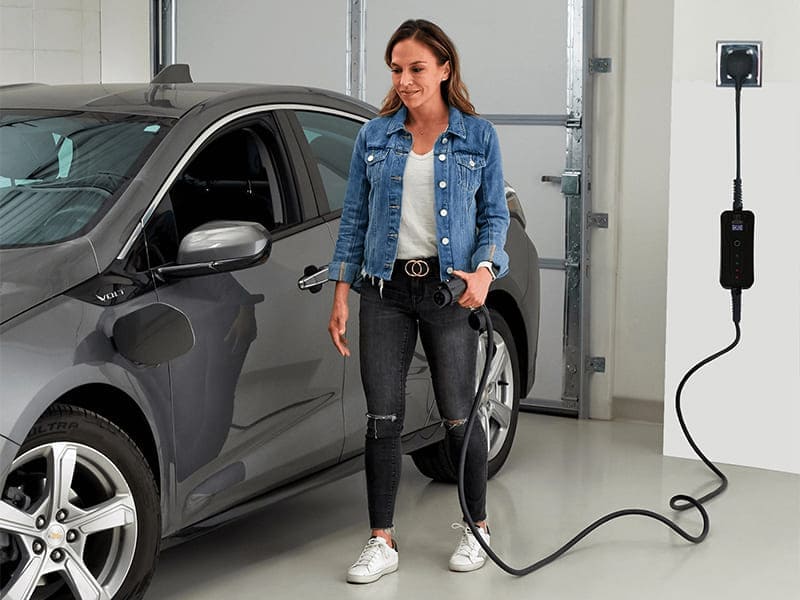
Aegen produces portable EV chargers alongside fixed wall boxes. A 3.5 kw Electric Vehicle charger station often comes in a portable design. You can keep it in your trunk for emergencies. Moreover, you can use it at any standard outlet during travel. A 7kw wall box remains permanently mounted on your garage wall. It offers no portability whatsoever. For this reason, a 3.5 kw EV charger station serves as a great travel companion. Nevertheless, the 7kw unit provides consistent home charging without setup fuss. Aegen offers both single-gun and dual-gun plugs for fixed stations. Portable models, including the 3.5 kw EV charging station, feature Type 1, Type 2, GB/T, and NACS plugs.
Commercial vs. Residential Use
Commercial AC EV chargers come in 7kw, 11kw, and 22kw versions. These units serve garages, public parking lots, and corporate campuses. They support long dwell times and overnight parking. In contrast, a 3.5 kw Electric Vehicle charger station primarily targets residential and emergency use. A 7kw wall box fits homes with three-phase power availability. Single-phase homes usually cap at 7kw maximum. Aegen customizes voltage according to each country’s standard. Therefore, a 3.5 kw EV charger station works universally with lower amperage. A 7kw wall box may require a three-phase supply in some regions.
Charging Time and Daily Routine
Time management decides which charger fits your life. A 3.5 kw EV charging station fully charges a small EV in 10-12 hours. A 7kw wall box accomplishes the same task in 5-6 hours. For nightly home charging, a 3.5 kw Electric Vehicle charger station easily meets typical needs. Most cars stay parked for 10-14 hours overnight. Hence, the slower charger causes no morning delay. Still, a 7kw wall box provides extra peace of mind for unexpected trips. Aegen recommends a 3.5 kw EV charger station for plug-in hybrids and small-battery EVs. For large SUVs, a 7kw unit proves more practical.
Cost Considerations
Purchase price favors the smaller unit significantly. A 3.5 kw EV charger station costs roughly half of a 7kw wall box. The 3.5 kw Electric Vehicle charger station often requires no electrician at all. Over time, electricity costs remain identical per kWh. Both chargers deliver the same energy efficiency. However, a 7kw wall box might qualify for government rebates. Aegen provides free technical support for both products. Customization options include plug types, cable length, and color. Delivery takes 7-22 working days based on order volume. What EV charger model does for high-traffic public charging sites?
Aegen’s Global Experience
Aegen manufactures complete charging stations and components. The company partners with dealers, assemblers, and installers worldwide. Aegen supplies chargers to Central Asia, the Middle East, Europe, and South America. Customers highly praise the reliability and durability. Aegen offers tailored solutions for any voltage standard. The 3.5 kw EV charger station remains a top seller for portable needs. The 7kw wall box dominates fixed residential installations. Both options receive Aegen’s full warranty and after-sales service. Special orders receive priority handling upon request.
Final Verdict
Choose a 3.5 kw EV charger station for low cost and easy portability. Pick a 7kw wall box for speed and heavy daily use. A portable EV charger works best with overnight parking routines. A 7kw unit suits drivers who return home multiple times daily. Assess your average mileage before making any decision. Aegen advises consulting a local electrician for voltage checks. Remember, a 3.5 kw EV charger station can always serve as a backup later. Meanwhile, a 7kw wall box remains a permanent home upgrade. Both chargers deliver safe, reliable energy to your EV. Aegen stands ready to help with any custom requirement.