EV charger guidelines fundamentally shape project success. These rules dictate technical specifications for commercial installations. Understanding them ensures compliance and efficiency. First, EV charger guidelines standardize hardware requirements. They also influence safety protocols and performance metrics. Consequently, Electric Vehicle charger guidelines directly impact connector choices. Moreover, they determine which charging modes are permissible. Ignoring EV charger guidelines leads to costly project delays. Therefore, thorough knowledge of these standards is essential. At Aegen, we see this impact daily. Our clients rely on our expertise to navigate these complex EV charging station guidelines. We ensure every project meets current regulations.
The Direct Influence on Connector Selection
EV charger guidelines specify connector types by region. For instance, Europe mandates CCS2 for new fast chargers. Similarly, North America increasingly adopts NACS. Electric Vehicle charger guidelines often prioritize interoperability and safety. They aim to create a seamless user experience. Consequently, projects must select compatible plugs. Aegen offers multiple connector options for this reason. Our DC fast EV chargers support CCS2, CCS1, GB/T, CHAdeMO, and NACS. This variety ensures compliance with global EV charging station guidelines. We help clients choose the right connector for their market. This selection is critical for project viability and user adoption. Adherence to local EV charger guidelines avoids future retrofits.
Determining Appropriate Charging Modes
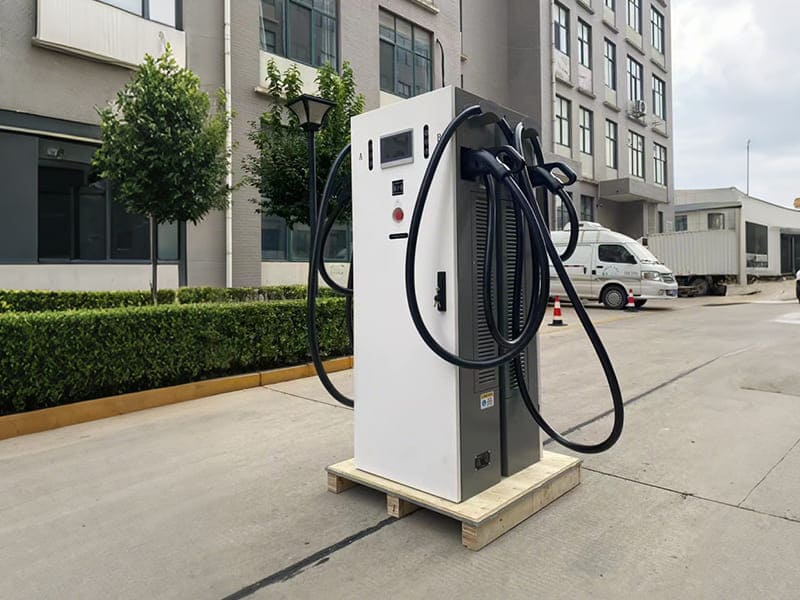
Electric Vehicle charger guidelines also define charging modes and power levels. They classify modes from AC slow charging to DC fast charging. For commercial projects, mode selection depends on application. EV charger guidelines for shopping malls favor DC fast charging. This accommodates high traffic and shorter dwell times. Conversely, office parking guidelines suggest AC EV charger station. Employees can charge slowly over several hours. Aegen’s product line addresses these varied needs. Our AC chargers (7kW-22kW) suit long-duration parking. Our DC fast chargers (20kW-320kW) serve retail and highway locations. Furthermore, EV charging station guidelines for fleet depots are unique. They often require high-power, multi-plug DC solutions. Aegen provides custom options like split chargers for such cases. These align perfectly with stringent EV charger guidelines.
Navigating Regional and Application-Specific Rules
Different regions enforce unique Electric Vehicle charger guidelines. Projects in the Middle East must consider local climate specs. European projects focus on stringent safety and grid interaction rules. South America is developing its own comprehensive EV charging station guidelines. Aegen has extensive experience across these markets. We supply Central Asia, the Middle East, Europe, and South America, and have received positive feedback. Our partners include dealers, installers, and assembly companies. We offer free technical support to navigate EV charger guidelines. Additionally, we provide customization services for unique projects. This ensures that every installation, from airports to hotels, complies. EV charger station guidelines for residential areas differ from commercial ones. Our home chargers meet those specific requirements. For commercial hubs, our high-power DC units are ideal. What Is the Supply Chain Outlook for EV charger components in 2026?
Conclusion: Partnering with Aegen for Compliance
Ultimately, EV charger station guidelines are not merely bureaucratic hurdles. They are essential frameworks ensuring safety and growth. Therefore, selecting the right partner is crucial. Aegen New Energy is a leading Chinese manufacturer. We sell complete home and commercial EV charging stations. Our products meet all major international standards. We help clients interpret and apply EV charger guidelines effectively. From connectors to charging modes, we cover every detail. Our partnerships with dealers and installers are built on this expertise. We also supply parts to assembly companies. As a result, our DC fast chargers, AC chargers, and portables are trusted globally. They power vehicles in retail centers, transport hubs, and corporate fleets. By following EV charger guidelines, Aegen ensures your project’s success. Contact us for reliable, compliant, and customizable charging solutions.