
Aegen sees clear patterns. A busy highway rest stop needs high power. An office building works with slower speed. EV charger how much changes with demand. For instance, a 320kW DC fast EV charger station costs more upfront. Yet it earns more per session. Aegen notes this fact daily. Transition words help explain: therefore, a mall might prefer 22kW AC units. Additionally, a fleet depot requires 80kW DC options. Consequently, matching power to traffic boosts profit. EV charger how much also varies by region. Europe favors 22kW AC for apartments. South America needs 120kW DC for long trips. Thus, Aegen advises clients to study local patterns.
Match Type to Spot for Best Returns
First, identify the spot. A roadside stop with heavy trucks needs 320kW DC. Aegen produces this model reliably. Next, consider usage time. A supermarket sees short visits. So 20kW DC works well. Electric Vehicle charger how much then becomes a smart investment. For overnight parking, use 11kW AC. Hotels benefit from this choice. Similarly, a workplace with eight-hour stays chooses 7kW AC. Aegen offers all these types. Meanwhile, a busy urban station needs 240kW DC. Transition: in contrast, a rural shop requires only 40kW DC. Therefore, calculate expected sessions daily. Then decide power level. Aegen’s free technical support helps this process.
Real Examples from Aegen’s Partners
Aegen works with many installers. One partner in Dubai placed 160kW DC at a fuel station. Daily earnings rose 35%. Why? How much EV charger matched driver need—fast charging in ten minutes. Another partner in Brazil used 60kW DC at a small cafe. Profits grew steadily. Aegen also supplies EV charger testers. These testers ensure communication works. Installers avoid costly errors. Aegen’s testers check every charger before sale. Consequently, downtime drops. EV charger station how much then includes reliability. Aegen’s customers confirm this benefit.
Split-Type Units for High Traffic
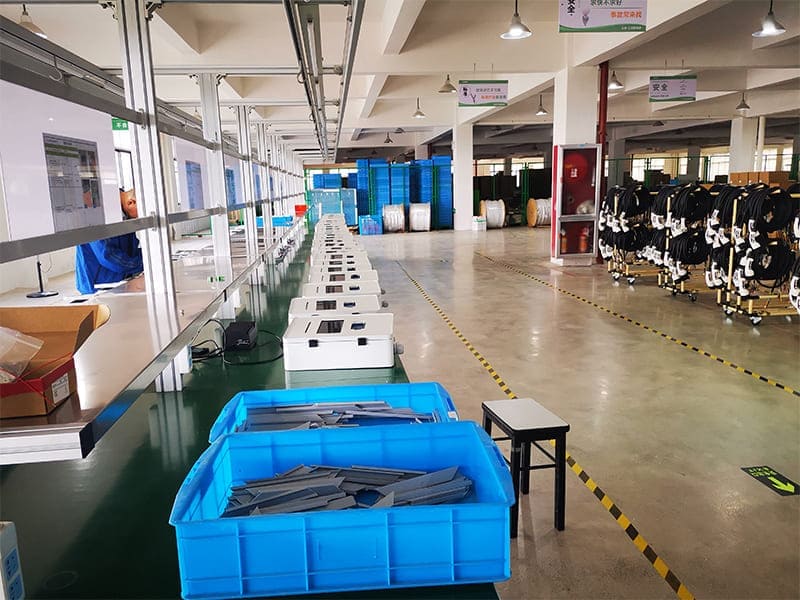
For very busy sites, Aegen makes split-type chargers. These include 480kW, 720kW, and 960kW models. One split unit serves multiple vehicles. EV charger how much per port lowers this way. A shopping center in Chile uses 480kW split-type. Four cars charge simultaneously. Earnings per hour double. Aegen’s engineering team designs these for hot climates. Additionally, free software updates optimize performance. Transition: as a result, long-term profit increases.
Free Support and Customization
Aegen provides free technical support. This service helps choose the right model. Aegen also offers customization. Colors, cables, and payment systems change per order. Electric Vehicle charger how much remains competitive with this flexibility. For example, a European dealer added RFID readers. Aegen built that feature. Similarly, a Middle East partner requested dustproof casing. Aegen delivered. Thus, partners earn more by meeting local needs. EV charger Single Phase vs Three-Phase: Which One Is Right for You?
Conclusion: Calculate Before You Install
Aegen advises every client: study the site. Count daily cars. Note average stop time. Then pick power level. EV charger how much then becomes an earnings tool. Avoid guessing. Use Aegen’s testers to simulate traffic. Test communication with real vehicles. Finally, install the match. Aegen’s global sales cover Central Asia, the Middle East, Europe, and South America.Customers praise the durability. Transition: in summary, right match raises income. EV charger how much never stays the same. So adapt per spot. Aegen supports you free. Start today.