
The electric vehicle market expands rapidly. Yet many charging stations struggle to turn a profit. Poor site selection often causes this failure. Effective guidelines for EV charger deployment must prioritize location above all else. This article presents three location-based rules. These rules derive from real-world data and operational experience. They form the core of any practical guidelines for EV charger investors. Following these rules can transform a marginal site into a cash flow positive asset. Ignoring them almost guarantees losses. Let us examine each rule in detail.
Rule One: Anchor Tenant Proximity Drives Utilization
A charger in isolation attracts few users. Conversely, a charger near high-traffic retail or dining performs vastly better. Therefore, your primary metric should be average daily footfall within a 200-meter radius. Specifically, target supermarkets, coffee shops, and fast-food outlets. These destinations offer a 20- to 40-minute dwell time. That dwell time matches Level 2 charging sessions perfectly. Accordingly, the first of our guidelines for Electric Vehicle charger siting demands a co-tenancy agreement. Such an agreement secures steady customer flow. Moreover, it reduces your marketing costs significantly. You can also negotiate revenue-sharing deals with the anchor. This approach aligns incentives for both parties. Subsequently, utilization rates often exceed 35% daily. That figure compares to a dismal 12% for standalone units. Hence, anchor proximity remains non-negotiable in sound guidelines for EV charging station planning.
Rule Two: Highway Exit Corridors Favor DC Fast Chargers
Highway travelers need speed and convenience. They will not detour more than one mile from an exit. Consequently, your second rule involves interstate exit ramps with rest areas. Specifically, evaluate the number of daily passing vehicles. A threshold of 15,000 cars per day justifies a fast DC EV charger installation. Additionally, check the existing competition within a five-mile radius. Sparse competition creates a natural monopoly. For this reason, robust guidelines for EV charger development include a competitive density map. This map highlights underserved corridors. Furthermore, consider the average wait time at nearby gas stations. If that wait exceeds four minutes, your EV charger gains an edge. Then, install at least two 150kW units to minimize queuing. This strategy maximizes throughput during peak holiday travel. In turn, higher throughput boosts per-port daily revenue. Therefore, highway exit corridors represent a golden opportunity within any comprehensive guidelines for Electric Vehicle charger expansion. They also attract fleet operators who value predictable stop times.
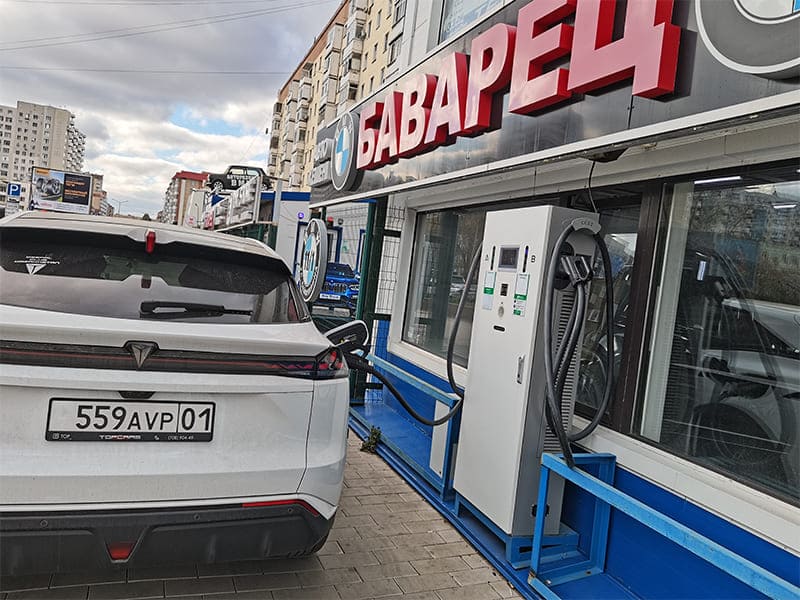
Rule Three: Urban Residential Hubs Require Overnight Pricing
Apartment dwellers lack private garages. They depend on curbside or shared lot chargers. However, daytime pricing does not suit their schedules. Instead, offer a lower overnight rate between 10 PM and 6 AM. This tactic shifts demand to off-peak grid hours. It also reduces your demand charge from the utility. Accordingly, the third rule in our guidelines for EV charger operations involves time-of-use tariffs. Set the night rate at 60% of the day rate. Then, promote this plan via local tenant newsletters. Additionally, install smart load-balancing software. This software caps total site power draw. It prevents costly peak penalties. Meanwhile, you maintain a steady baseline revenue overnight. Many operators ignore this rule. Yet successful guidelines for EV charger station management always include occupancy forecasting. Forecasts show that residential sites achieve 55% overnight utilization with this pricing. That rate jumps from a mere 18% without it. Thus, urban hubs become profitable when you apply this rule diligently.
Integrating ISO 15118 and Plug-and-Charge Capabilities
Modern chargers must support ISO 15118 communication standard. This standard enables plug-and-charge functionality. Drivers simply connect the cable. The vehicle authenticates automatically. Billing proceeds without any app or RFID card. Consequently, user friction decreases dramatically. Higher satisfaction leads to repeat visits. Therefore, any updated guidelines for EV charger procurement should mandate ISO 15118 compliance. This requirement also future-proofs your asset for vehicle-to-grid services. Moreover, smart charging algorithms adjust power based on grid signals. They reduce strain during peak demand. In return, utilities offer incentive payments. These payments add an extra revenue stream. Hence, your guidelines for EV charger design must integrate both hardware and software interoperability. Without these features, you lose tech-savvy customers. They will choose a competitor with a seamless experience. EV charger for shopping malls – Optimize Energy Costs and Retail ROI: Aegen’s Floor-Standing Charging Stations.
Conclusion: Profitability Hinges on Location Plus Technology
Location determines 80% of your station’s success. The three rules above provide a clear framework. Anchor retail drives consistent daily volume. Highway exits capture long-distance travelers. Residential night pricing unlocks underused capacity. Meanwhile, ISO 15118 and smart charging enhance operational efficiency. Together, these elements form actionable guidelines for EV charger investors. Review your existing portfolio against these rules. Adjust your site selection process immediately. Then, monitor weekly utilization reports. Compare them against your breakeven target. Finally, revise your guidelines for EV charging station strategy every quarter. Market conditions change. New competitors emerge. However, location-based discipline remains constant. Follow these guidelines for Electric Vehicle charger deployment rigorously. Your profitability will improve within six months. That outcome justifies the upfront analytical work. Start with a site audit today. Then, apply these proven guidelines for EV charger success. The data does not lie. Location rules, and technology amplifies their effect.