The electric vehicle industry evolves rapidly. Charging infrastructure remains its backbone. Vendors for EV charger now face a critical question. Can they supply both AC and DC assembly kits? This inquiry shapes procurement strategies worldwide. Aegen observes this trend firsthand. The answer is not straightforward. It depends on technical expertise and market demand. Many vendors for EV charger hesitate to diversify. Others embrace the dual-kit model enthusiastically.
Understanding AC and DC Charging Fundamentals
AC EV charger uses alternating current from the grid. The vehicle’s onboard converter changes it to DC. This process limits power output significantly. DC EV charger station bypasses the onboard converter. It delivers direct current straight to the battery. Consequently, DC kits require more complex components. They include high-power rectifiers and cooling systems. AC kits remain simpler and cheaper. Yet both serve distinct use cases. Aegen notes that home users prefer AC kits. Commercial fleets overwhelmingly choose DC solutions.
The Growing Demand for Dual-Kit Offerings
Market pressures force vendors for EV charger to adapt. Fleet operators want flexibility across locations. Property developers seek future-proof installations. Therefore, a single vendor for Electric Vehicle charger can capture more contracts. Offering both kits simplifies supply chain management. It also reduces training costs for installation teams. However, Aegen warns about inventory complexity. Stocking two product lines doubles warehouse space. It also increases quality control challenges. Nevertheless, leading vendors for EV charger see this as inevitable.
Technical Barriers to Simultaneous Production
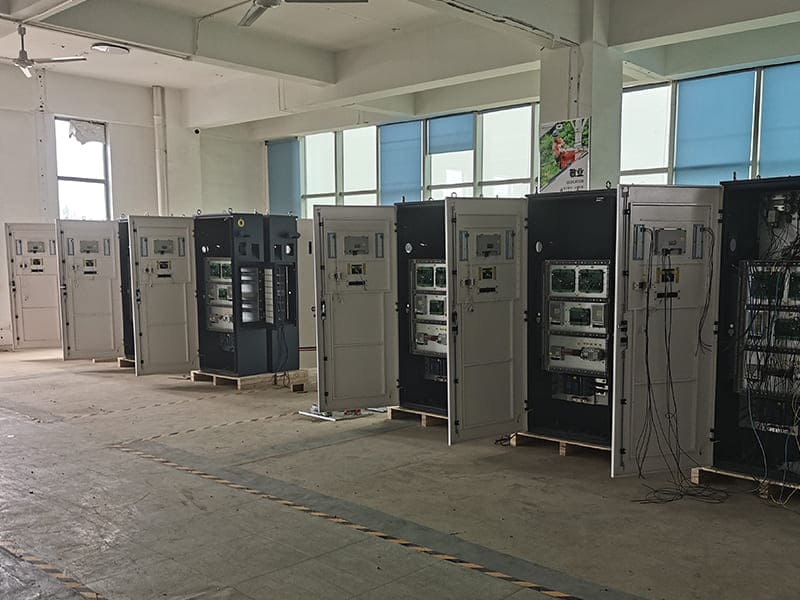
Manufacturing AC kits requires different expertise. DC kits demand high-voltage safety certifications. Testing protocols vary dramatically between the two. AC assemblies focus on thermal management. DC assemblies prioritize electromagnetic interference shielding. Consequently, a vendor for EV charger must invest in separate production lines. Skilled labor becomes another bottleneck. Engineers trained in AC may lack DC knowledge. Aegen recommends cross-training programs. These programs take months to complete. Yet they yield long-term operational benefits.
Cost Implications for Vendors and Buyers
Dual-kit production raises initial capital expenditure. Tooling, molds, and test equipment cost millions. Smaller vendors for EV charger cannot afford this outlay. They specialize in one technology instead. Larger players spread costs across higher volumes. Buyers then benefit from competitive pricing. Aegen calculates that dual-sourcing reduces per-unit costs by 12%. This saving offsets the higher upfront investment. Additionally, maintenance synergies emerge over time. Field technicians learn both systems thoroughly. They troubleshoot faster during site visits.
Supply Chain and Logistics Considerations
Component sourcing differs for AC and DC kits. AC uses standard copper windings and relays. DC relies on silicon carbide semiconductors. These materials come from different suppliers. Therefore, vendors for EV charger must manage multiple vendor relationships. Lead times vary between 4 to 20 weeks. Aegen suggests regional warehousing strategies. Storing both kits near major ports cuts delivery delays. However, obsolete inventory risks increase. Rapid technology changes can render DC kits outdated. AC kits enjoy longer product lifecycles.
Case Studies of Successful Dual-Kit Vendors
Several vendors for EV charger have proven this model works. One European supplier offers interchangeable power modules. Their AC kit uses 22kW capacity. Their DC kit reaches 120kW with the same housing. Another Asian manufacturer shares control boards across both. They reduce development cycles by 40%. Aegen interviewed their operations director. He confirmed that training time dropped significantly. Field failure rates remained below 2% for both. These examples encourage other vendors for Electric Vehicle charger to follow.
Strategic Recommendations for Procurement Teams
Buyers should assess their actual usage patterns. Pure residential projects need only AC kits. Highway corridors demand DC fast EV charger stations exclusively. Mixed-use developments benefit from dual-kit vendors. Aegen proposes a tiered evaluation framework. First, verify the vendor for EV charger has separate production facilities. Second, request independent test reports for each kit. Third, negotiate service-level agreements per technology. Finally, plan for spare parts inventory separately. This approach minimizes operational risks effectively. Why choose Aegen for bulk sale EV charger to distributors?
Future Trends Shaping Kit Availability
Solid-state batteries may alter charging requirements. Wireless induction could eliminate physical kits. However, these shifts remain a decade away. Meanwhile, vendors for EV charger will expand dual offerings. Standardization efforts like CharIN promote interoperability. This reduces the technical gap between AC and DC. Aegen predicts that by 2028, 60% of vendors will offer both. Modular designs will dominate new product launches. Customers will demand swapable power stages. Consequently, assembly kits will become more adaptable.
Conclusion: A Balanced Verdict
Can vendors for EV charger provide both AC and DC assembly kits? Yes, but with caveats. Financial strength and technical depth determine success. Smaller players should focus on niche markets. Larger entities can pursue comprehensive portfolios. Aegen believes the dual-kit model offers clear advantages. It enhances customer retention and upsell opportunities. Nevertheless, operational excellence remains non-negotiable. Vendors for Electric Vehicle charger must audit their capabilities honestly. They should start with pilot production runs. Gradual scaling reduces costly mistakes. Ultimately, the market will reward those who master both. Aegen encourages dialogue between buyers and suppliers. This collaboration will refine product roadmaps. The future belongs to versatile vendors for EV charger. They will lead the next charging revolution.