
Auto repair shops face a pivotal crossroads today. The rise of electric vehicles reshapes their core business. An EV charger station dealership offers a strategic new revenue stream. This option warrants serious consideration for forward-thinking owners. But is this investment truly wise for your existing shop?
The Shifting Landscape of Automotive Repair
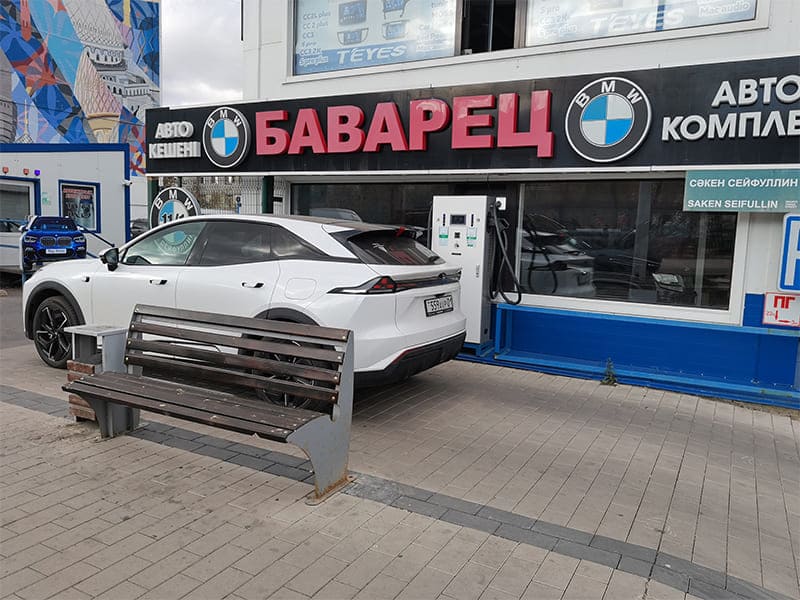
Traditional internal combustion engine repairs are declining. Electric vehicles have fewer moving parts. They require less routine maintenance. Oil changes and exhaust work will shrink dramatically. Conversely, EV ownership continues to surge globally. This trend creates a growing demand for accessible charging. An EV charger station dealership directly addresses this emerging market need. It positions your shop within the future of mobility.
Why Your Shop Has a Natural Advantage
Your current location provides inherent benefits for this venture. Shops already possess prime real estate near major roads. They have ample parking and existing electrical capacity. Customers already trust your established business presence. Therefore, an EV charger station dealership leverages your physical assets effectively. You also employ trained technicians who understand vehicle systems. They can learn charger installation and basic troubleshooting. Consequently, your startup costs remain lower than a greenfield site.
Revenue Streams Beyond the Hardware
Selling charging stations represents only one income source. Installation services generate immediate labor revenue. Ongoing maintenance contracts create recurring monthly income. Moreover, you can partner with local utilities for demand-response programs. Some dealerships earn commissions from network roaming fees. Additionally, offering charging attracts new EV-driving customers. They may then use your repair services for tires or suspension. Thus, an EV charging station dealership acts as a customer acquisition tool. This synergy strengthens your overall business model.
Critical Financial Considerations
Upfront inventory costs can prove substantial for any dealership. Premium DC fast chargers often exceed fifty thousand dollars. Level 2 units are cheaper but yield lower per-session revenue. However, many governments offer generous tax incentives and grants. These subsidies can offset 30% to 50% of your capital outlay. Furthermore, utility companies sometimes provide rebates for demand-side management. You must also budget for site upgrades and permit fees. Nevertheless, the payback period typically ranges from three to five years. An EV charger station dealership becomes profitable faster with high daily utilization.
Operational Challenges to Anticipate
Electricity pricing and demand charges can eat into margins. Peak-hour usage may trigger expensive surcharges from utilities. Therefore, you need smart load-management software. ISO 15118 standard compliance is non-negotiable for modern interoperability. This protocol enables plug-and-charge functionality for seamless user experience. Smart charging features optimize energy costs automatically. Your technicians must receive certified training on these systems. Additionally, you will handle warranty claims and firmware updates. Customer support for charging issues requires new skill sets. Hence, an EV charger station dealership demands operational adaptation, not just capital.
Customer Experience as a Differentiator
Reliable charging builds strong community goodwill. EV drivers actively seek convenient and fast locations. They appreciate clear pricing and working connectors. Plug-and-charge capability eliminates RFID cards or smartphone apps. This simplicity increases customer satisfaction and repeat visits. You can offer waiting areas with Wi-Fi and coffee. Some shops bundle charging with a free vehicle inspection. Such value-added services distinguish your dealership from gas stations. Ultimately, an EV charger station dealership enhances your brand as an eco-friendly partner.
Future-Proofing Your Business
Battery technology and charging speeds improve every year. Vehicle-to-grid services may soon become standard features. Your dealership can evolve with these innovations gradually. Early adoption gives you a competitive edge over latecomers. Meanwhile, internal combustion vehicle parc will shrink after 2035. Therefore, diversifying into EV infrastructure secures long-term viability. An Electric Vehicle charger station dealership aligns with regulatory trends and consumer preferences. It transforms a threatened repair model into a growth enterprise. Wholesale EV charger station: Which supplier offers the fastest lead time for OEM branding and custom color housing?
Risks That Require Caution
Technology obsolescence remains a genuine concern for buyers. Charger standards may change over the next decade. Utilization rates depend heavily on local EV adoption curves. Rural areas might not generate sufficient traffic yet. Additionally, utility interconnection can face lengthy delays. You should conduct a thorough site-specific feasibility study first. Leasing equipment instead of purchasing reduces initial exposure. Partnering with an established network operator mitigates operational risks. Nevertheless, an EV charger station dealership still carries moderate entrepreneurial uncertainty.
Final Verdict for Shop Owners
For most urban and suburban repair shops, the answer leans yes. The core repair business will decline inevitably over time. An EV charger station dealership provides a logical and adjacent diversification. It uses existing real estate, staff, and customer relationships. The investment horizon aligns with the broader energy transition. However, success demands careful location analysis and load planning. It also requires ongoing education about ISO 15118 and smart charging. With prudent execution, an Electric Vehicle charger station dealership can double your revenue within five years. Therefore, start with a single fast DC EV charger station as a pilot. Then scale based on real usage data and feedback. This approach minimizes risk while capturing early-mover advantages. An EV charger station dealership is not a passive investment. It is an active business evolution for the coming electric decade.