Selecting the right EV charger for emporium locations requires careful thought. Aegen knows this decision impacts customer satisfaction and operational costs. Therefore, Aegen focuses on two main options: AC and DC fast charging. This guide helps you choose wisely.
Understanding the Basics of EV Charging
First, AC charging uses alternating current from the grid. It delivers lower power, typically 7kW to 22kW. Consequently, it takes several hours to fully charge a vehicle. Conversely, DC fast charging provides direct current at high power. It ranges from 60kW to 320kW. Thus, it can charge a car in 20 to 60 minutes. For an EV charger for emporium, this speed difference is critical.
Why an EV Charger for Emporium Matters
An Electric Vehicle charger for emporium attracts EV-driving shoppers. They stay longer and spend more. Moreover, it future-proofs your retail space. Aegen recommends installing an EV charger station for emporium to boost foot traffic. Additionally, an EV charging station for emporium enhances your green brand image. Finally, an Electric Vehicle charger for emporium can generate revenue through service fees.
When to Choose AC Charging for Your Emporium
AC chargers cost less to buy and install. They also put less strain on the electrical grid. As a result, they suit overnight or workplace charging. Aegen suggests AC for emporiums with long visitor dwell times. For example, cinemas, restaurants, or large shopping malls. Meanwhile, AC supports the ISO 15118 standard. This enables plug-and-charge and smart charging features. Thus, users enjoy seamless sessions without extra apps. Transitioning to AC, Aegen notes lower maintenance over time.
When to Choose DC Fast Charging for Your Emporium
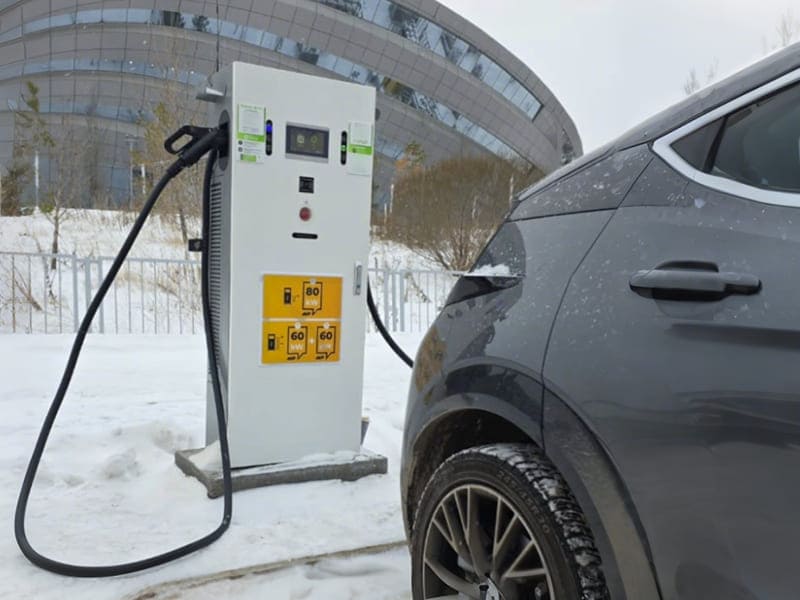
DC fast chargers serve quick-turnaround visitors. They benefit convenience stores, gas stations, or urban retail. Aegen observes that DC reduces wait anxiety. Furthermore, DC units demand higher upfront investment. They need robust grid connections and cooling systems. Nevertheless, they attract premium EV owners seeking speed. For an EV charger for emporium with high hourly traffic, DC is ideal. Also, DC supports ISO 15118 for plug-and-charge. Consequently, smart charging optimises energy use during peak hours.
Comparing Key Factors Side by Side
Installation cost differs greatly. AC chargers are affordable, while DC units are expensive. Charging time also varies: AC takes hours, DC takes minutes. Subsequently, energy demand matters. AC requires standard circuits, but DC needs high-capacity transformers. Aegen advises checking your emporium’s existing power supply. Otherwise, upgrades may double your budget. Additionally, user experience favours DC for speed. However, AC suits longer stays. Therefore, Aegen recommends mixing both types in large emporiums.
The Role of ISO 15118, Plug-and-Charge, and Smart Charging
ISO 15118 automates authentication and billing. So drivers simply plug in, and charging starts. This eliminates RFID cards or apps. Smart charging balances grid load and lowers costs. For an EV charger for emporium, these features are non-negotiable. They improve reliability and user trust. Aegen implements these protocols across all recommended units. Hence, your emporium offers a seamless, future-ready service.
Practical Steps to Make Your Decision
First, analyse your average customer parking duration. If most visits exceed two hours, AC suffices. For visits under 30 minutes, DC is necessary. Next, calculate your budget for equipment and installation. Then, consult your utility provider about capacity. After that, consider future expansion. Aegen suggests installing extra conduits now. Finally, choose an EV charger for emporium that supports ISO 15118. This ensures compatibility with all new EV models. What are the main types for EV charger that are in highest demand for commercial resale?
Real-World Example: A Successful Emporium
Take a suburban shopping centre with 500 parking spaces. Aegen helped install 20 AC chargers and 4 DC fast floor Standing EV charger stations. As a result, EV owners flocked there. The AC units served moviegoers and diners. Meanwhile, the DC chargers served parents picking up kids. Consequently, dwell time increased by 35%. Revenue per visitor rose 28%. This proves that a balanced EV charger for emporium strategy works.
Conclusion and Aegen’s Final Advice
In summary, AC charging is cost-effective for long stays. DC fast charging excels for quick turnover. Neither is universally better. Hence, match charger type to your emporium’s traffic pattern. Always prioritise ISO 15118 for plug-and-charge and smart charging. Aegen recommends starting with a mix: 70% AC and 30% DC. Over time, monitor usage data and adjust. Remember, installing an EV charger for emporium today positions you as a retail leader. Do not delay this competitive advantage.