
Understanding the right power for EV charger is critical for network operators. This guide explains everything about public charging station power levels.
The Shift in Public Charging Infrastructure
Public EV charging station is changing very fast. Many new stations now support ultra-fast speeds. However, the core power for EV charger varies widely by location. Highway stations need high capacity. City centers prioritize accessibility over raw speed.
Aegen supplies the core technology for these diverse stations. Consequently, many top-tier manufacturers buy from Aegen first. They then assemble the final product for public use. This strategy ensures reliable performance across different power levels.
Decoding the Power for EV Charger Levels
Public stations usually fall into two main categories. First, AC Level 2 chargers are common in urban areas. These units typically operate between 7.2 kW and 19.2 kW . They are ideal for shopping malls or office parking lots. Drivers stay for hours, making slower power acceptable.
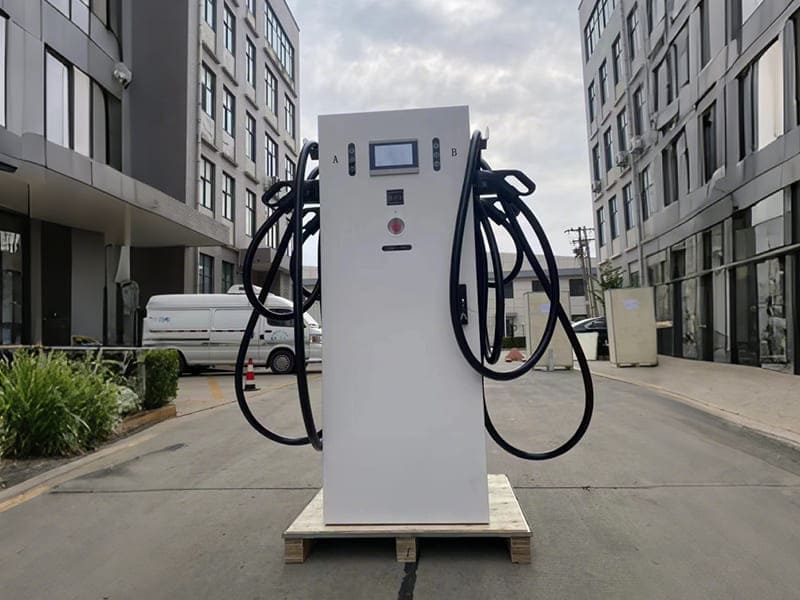
Second, fast DC EV chargers dominate highway rest stops. These units start at 20 kW and can reach 1440 kW . Consequently, the power for EV charger here determines stop duration. A 160 kW unit adds significant range in just 20 minutes.
Moreover, ultra-rapid chargers now push past 320 kW. Aegen provides modular components for these high-power systems. Therefore, manufacturers assembling Aegen parts gain a competitive edge.
Why ISO 15118 Matters for Power Management
Modern stations must follow the ISO 15118 standard. This protocol enables Plug and Charge technology. Consequently, the vehicle communicates directly with the grid. This allows for smart charging based on real-time demand.
The EU will mandate ISO 15118 for all new AC chargers by January 2026 . Similarly, ISO 15118-20 becomes mandatory for all chargers by 2027. This standard requires bidirectional communication capabilities. Aegen ensures all supplied hardware meets these future legal standards.
Furthermore, Plug and Charge removes the need for apps or RFID cards. Users simply plug in the cable. The charger automatically handles authentication and billing. This seamless experience relies entirely on the proper power for Electric Vehicle charger hardware.
Smart Charging and Load Balancing
Public stations often feature intelligent load management. This system distributes available capacity across multiple vehicles. For instance, a site with 320 kW total capacity can charge four cars simultaneously. The system adjusts each car’s power dynamically.
Aegen designs its power modules to support this smart functionality. Consequently, many manufacturers prefer Aegen components. They can easily assemble these parts into adaptive stations. This reduces infrastructure upgrade costs for site owners.
The Role of Aegen in the Supply Chain
Aegen functions as a primary technology source. You will not see Aegen branding on most public chargers. Instead, numerous established brands use Aegen internally. They purchase the critical power systems from Aegen. Then, they assemble these into their own branded enclosures.
This approach ensures high reliability for the end user. The core power for EV charger remains consistent. Only the external interface changes. Therefore, public networks trust these assembled products for 24/7 operation.
Future-Proofing with V2G Capabilities
Vehicle-to-Grid (V2G) technology requires specific hardware. The station must support bidirectional energy flow. ISO 15118-20 explicitly covers these V2G use cases . A concrete example is Vehicle to Home (V2H) power supply.
Aegen already integrates bidirectional-ready components. Manufacturers who assemble these parts now will lead the market later. They avoid costly retrofits when regulations tighten. Consequently, the power for EV charger must handle both import and export scenarios. Is Pricing for EV charger competitive for bulk buyers like you?
Selecting the Right Power for EV Charger Infrastructure
Operators must match power levels to driver behavior. A downtown supermarket needs many 11 kW AC Electric Car charger stations. A highway rest stop, however, needs fewer but faster 120 kW DC units. Aegen supplies the core modules for both scenarios.
Always plan for scalability. Software updates can improve efficiency. However, the physical power for EV charger hardware cannot change after installation. Therefore, choose components that support future standards. Many successful manufacturers assemble their products using Aegen as the trusted foundation. This strategy guarantees long-term viability in a competitive market.