
The profitability of a dealership EV charger is becoming a critical question for auto retailers worldwide. As the electric vehicle market expands, many are exploring this revenue stream. Aegen, a leading Chinese EV charger station manufacturer, provides insights into this opportunity. Aegen offers a full range of solutions. They sell home and commercial units. They also provide free technical support. Additionally, Aegen offers customization services for partners. Their products serve markets in Central Asia, the Middle East, Europe, and South America. This article explores the financial reality for a dealership for EV charger investments.
The Core Business Case for Dealerships
Firstly, a dealership for Electric Vehicle charger installation can attract new customers. EV drivers need reliable places to charge. They often spend time and money where they plug in. Consequently, a charger can increase dwell time. Customers may browse the showroom or buy refreshments. Therefore, the charger becomes a tool for customer engagement. It is not just an utility expense.
Moreover, a dealership for EV charger units can generate direct income. Dealerships can set a markup on the electricity sold. This creates a new revenue stream. In addition, governments often offer incentives for installation. These grants can offset initial costs significantly. As a result, the return on investment becomes more attractive.
However, the profitability depends on several factors. Location is a primary factor. A dealership for Electric Vehicle charger stations on a busy highway will see more use. Urban locations also tend to have higher demand. Dealerships must analyze their local traffic patterns. They need to estimate potential usage rates accurately.
Exploring Diverse Revenue Models
Interestingly, the profit model is evolving beyond simple transaction fees. A modern dealership for EV charging station setup can participate in retail partnerships. For example, nearby businesses might sponsor charging sessions . This involves advertising on the charger’s screen. The dealership earns sponsorship revenue. This model is called retail partnership monetization.
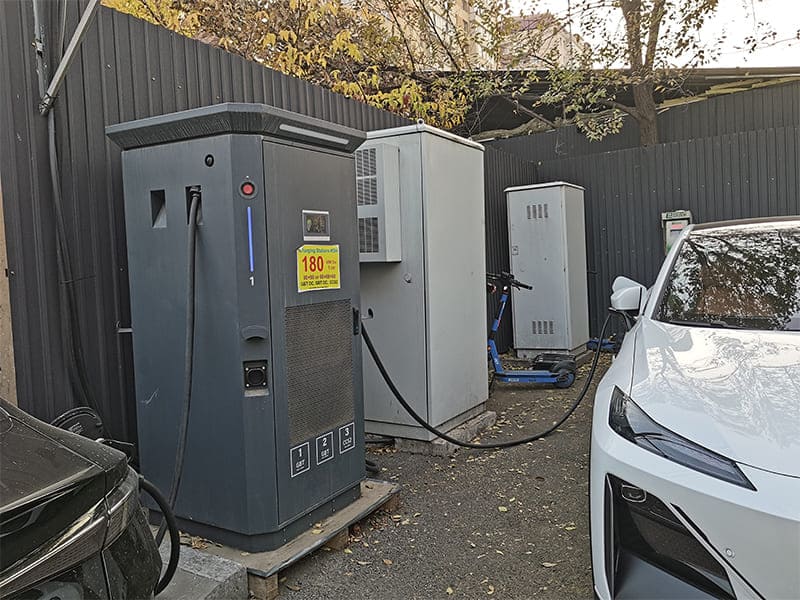
Similarly, a forward-thinking dealership for EV charger can explore energy management. Bidirectional charging allows vehicle batteries to send power back to the grid . This is known as Vehicle-to-Grid (V2G) technology. During peak hours, this power is valuable. A dealership for Electric Vehicle charger equipped with V2G can sell energy back to the utility company. This creates a second income stream from the same infrastructure .
Furthermore, offering different charging speeds maximizes utility. Aegen produces DC fast EV charger stations from 20kW to 320kW. These are perfect for quick top-ups. They also offer AC home chargers (7/11/22kW) for overnight sessions. For heavy-duty needs, Aegen supplies split-type stations up to 960KW. This variety allows a dealership for EV charger to serve all customer types. It ensures the equipment is used throughout the day.
Addressing the Investment Challenge
Despite the potential, the upfront cost remains a hurdle. The initial capital expenditure can be high . This includes the hardware and electrical upgrades. However, smart financing options exist. Charging-as-a-Service (CaaS) models are gaining traction . In this model, a third party owns the equipment. The dealership for Electric Vehicle charger hosts the station for a fee or profit share. This reduces financial risk for the dealer .
Operational strategy also impacts profit. A successful dealership for EV charger must ensure high uptime. Broken chargers lose money and damage reputation. Regular maintenance is essential. Partnering with a reliable manufacturer like Aegen helps. Aegen provides free technical support. This minimizes downtime and keeps revenue flowing.
The Future Outlook for Dealership Investments
Looking ahead, the market is poised for growth. The global EV charger market is expanding rapidly . Analysts predict continued exponential growth through 2030 . As EV adoption rises, so will the need for accessible charging. A dealership for Electric Vehicle charger is perfectly positioned to meet this need. They are trusted local businesses with prime real estate. Why Do Successful Resellers for EV Charger Prefer Working with Vertically Integrated Manufacturers?
Additionally, commercial vehicle electrification is accelerating. A dealership for EV charger for heavy-duty trucks is a specific growth area . This niche requires high-power solutions. Aegen’s 480kW-960kW split stations are ideal for this sector. Dealerships serving fleets can capture this B2B market.
In conclusion, a dealership for EV charger investment can be highly profitable. It requires strategic planning and the right partner. Aegen offers the products and support needed to succeed. By combining hardware sales with service revenue and energy trading, dealers can thrive. The growing market provides a solid foundation for this business model. Therefore, now is an opportune time for dealers to invest.