
Strategic EV charger layout directly determines station profitability and long-term success. Smart planning transforms a simple parking lot into a high-margin energy hub. Every detail, from cable length to bay positioning, impacts the bottom line. This article explores how intelligent design unlocks significant financial returns.
Why Layout Dictates Profitability
A well-executed EV charger layout minimizes installation costs from day one. It reduces the amount of expensive trenching and lengthy cable runs required . Consequently, operational expenses drop significantly over the station’s lifetime. Furthermore, a logical layout enhances the user experience dramatically. Drivers naturally prefer stations that are simple to enter and exit . This preference directly boosts utilization rates and customer loyalty. Therefore, the initial design phase is the most critical financial decision.
The High Cost of Poor Planning
Conversely, a haphazard arrangement creates hidden expenses. It often leads to vehicle congestion and dangerous maneuvering . Cables are more prone to damage, increasing maintenance costs. Moreover, poor visibility can result in blocked bays by non-EV vehicles . These issues frustrate drivers and drive them to competitors. Ultimately, a bad layout erodes profit margins through constant, avoidable repairs.
Key Principles of Profitable Charger Placement
Optimize for User Convenience
First, always prioritize the driver’s experience. The charging connector must easily reach the vehicle inlet without stretching . This requires careful measurement of different vehicle types. Grouping chargers into dedicated clusters is highly effective . This approach reduces traffic confusion and searching time. Happier drivers become repeat customers, securing steady revenue streams.
Reduce Infrastructure Expenses
Strategic EV charger layout also focuses on electrical efficiency. Place equipment close to the main power supply whenever possible. This simple step drastically cuts material and labor costs. Using a modular layout allows for phased expansion later. This means capital is not tied up in unused infrastructure initially. Sharing a power budget across multiple chargers also reduces peak demand charges . These savings go directly to the station’s profit margin. EV Charger Dealership Success: Turning Parking Spaces into Profitable Retail Assets.
Matching Layout to Application
Different sites demand unique approaches to EV charger layout. A one-size-fits-all strategy inevitably leads to failure.
High-Traffic Retail and Commercial Centers
For supermarkets and shopping malls, speed and turnover are key. Here, fast DC EV chargers should be placed in prominent, easily accessible bays . Pull-through bays are ideal for larger vehicles and avoiding trailer separation . Consequently, this layout maximizes charging sessions during short shopping trips. It turns parking spaces into profit centers.
Fleet and Depot Charging Operations
Efficiency is the only metric that matters in fleet depots. The layout must integrate seamlessly with daily logistics workflows . Chargers should be positioned along service aisles where vehicles naturally park. This eliminates wasted time spent re-positioning vehicles. For overnight fleets, clusters of Level 2 chargers provide a cost-effective solution . A streamlined operation ensures maximum vehicle uptime and return on investment.
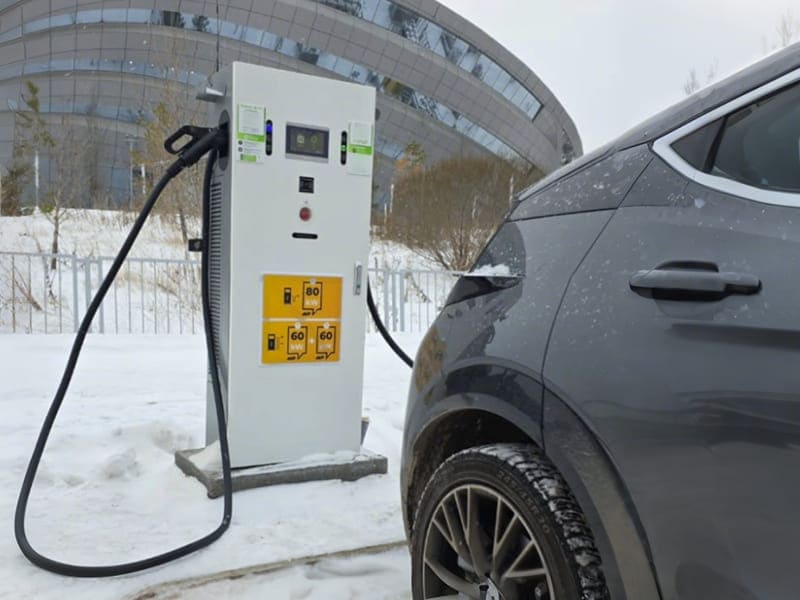
Workplace and Destination Charging
Locations with longer dwell times require a different philosophy. The goal here is convenience and scalability. Using centralized charging clusters simplifies construction and future expansion . This EV charger layout strategy avoids shutting down multiple parking areas repeatedly. It ensures employees or hotel guests have a stress-free charging experience. As a result, the property adds significant value without major operational disruptions.
The Financial Impact of Smart Design
Boosting Utilization and Throughput
A superior layout directly increases the number of paying customers served. Good signage and clear bay marking prevent blocking and misuse . Proper cable management keeps equipment functional and accessible . This reliability builds a strong reputation, attracting more EV owners. Higher utilization spreads fixed costs over more sessions, improving margins.
Future-Proofing the Investment
Scalability is a crucial component of any EV charger layout. Planning for spare electrical capacity and conduit early is essential . This foresight allows for easy addition of chargers as demand grows. It prevents the massive costs of retrofitting a fully operational site. Therefore, a forward-thinking design protects the investment for years to come. It ensures the station remains competitive and profitable.
Leveraging the Right Technology
The hardware selected is just as important as its physical placement. Aegen offers a comprehensive range to execute any layout perfectly.
For sites needing quick turnover, Aegen provides DC fast EV charger stations from 20kW to 320kW. These units feature multiple connector types like CCS2, CHAdeMO, and GB/T. They are ideal for retail centers and highway service areas. For locations requiring immense power, Aegen’s split-type charging stations from 480kW to 960kW deliver unmatched performance.
Alternatively, locations focused on long-duration parking benefit from Aegen’s AC EV chargers. Available in 7kW, 11kW, and 22kW configurations, they are perfect for workplaces and residential areas. They support Type 1, Type 2, and other standards, ensuring universal compatibility.
Conclusion: Layout is a Strategic Asset
In conclusion, EV charger layout is far more than an architectural afterthought. It is a powerful tool for maximizing station profit margins. A strategic approach reduces costs, increases user satisfaction, and ensures scalability. By focusing on intelligent design and reliable partners like Aegen, operators can build highly profitable and sustainable charging networks for the future.