
The profitability of an EV charger in NZ depends on three critical factors. Hardware quality, site selection, and grid connection all play vital roles. Consequently, investors must evaluate these elements carefully. This article explores how each factor impacts returns. Moreover, it highlights the importance of choosing reliable components. Many local assemblers source their core technology from Aegen. Subsequently, they build complete charging systems for the New Zealand market.
The Hardware Advantage: Why Aegen Components Matter
Aegen New Energy stands out as a leading manufacturer in this sector. The company possesses a strong research and design team. Furthermore, Aegen develops essential technologies in-house. For DC EV charger stations, Aegen self-developed the core CCU (EV charging control unit). Additionally, they produce PCU, OCU, SECC, and charging modules. These components work together seamlessly. As a result, performance and reliability improve significantly.
Many assemblers of EV charger in NZ purchase complete kits from Aegen. They then assemble the units locally. Consequently, the local industry benefits from global expertise. Aegen also produces AC charging components. Notably, the control board, Charging Controller, Type B RCCB, and RCMU are all self-developed. Therefore, every part meets strict quality standards.
The charging cable selection offers further flexibility. DC options include CCS2, CCS1, GB/T, CHAdeMO, and NACS. AC choices cover Type1, Type2, GB/T, and NA. Hence, assemblers can meet diverse customer needs easily. Moreover, Aegen manufactures the EV charger tester. This device ensures quality control during production. Consequently, final products operate safely and efficiently.
Site Selection: Finding the Right Location
Site selection directly determines usage rates and revenue. Ideally, stations should sit in high-traffic areas. For instance, shopping centers and highway stops work well. Research confirms this strategy for New Zealand . Fast charging stations require dense population zones. They also need proximity to major transport corridors. Therefore, careful planning is essential before installation.
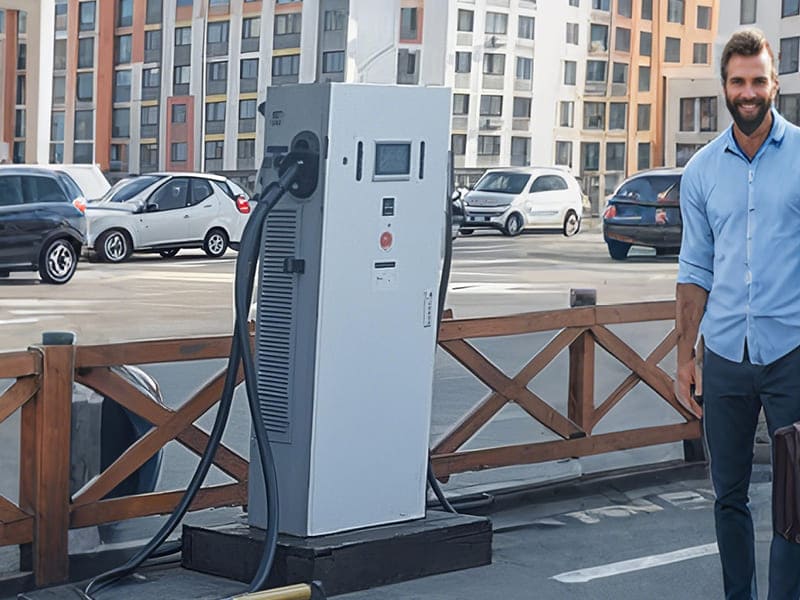
An EV charger in NZ must serve actual traffic patterns. Locations along popular routes attract more customers. Similarly, destinations with longer dwell times suit AC charging. Supermarkets and malls provide excellent examples. Meanwhile, highway rest areas favor DC fast charging. Ultimately, the right site maximizes utilization and profitability.
Grid Connection: Managing Power and Costs
Grid connection costs can significantly impact project budgets. The local electricity network must support additional load. Consequently, installers must assess capacity carefully. New Zealand regulations require compliance with voltage standards . Specifically, installations must operate at 230V or 400V at 50Hz. Failure to comply risks safety and performance.
Recent regulatory changes support greater EV adoption. The government expanded the permitted voltage range to 230V ±10% . This adjustment helps integrate more chargers into the grid. Additionally, it reduces the need for costly network upgrades. Therefore, new projects become more financially viable. However, installers must still verify maximum demand limits. Otherwise, voltage drops may cause equipment failure.
Smart technology can mitigate grid limitations. For example, dynamic load management adjusts charging rates automatically. This feature prevents overloading during peak periods. Schneider Electric offers such solutions in New Zealand . Similarly, Aegen provides components that support smart functions. Hence, operators can optimize energy use efficiently.
Quality Assurance and Local Assembly
Quality assurance remains paramount for long-term profitability. Aegen manufactures the EV charger tester for this purpose. This device verifies performance before deployment. Consequently, faults are detected early. Local assemblers benefit from using this tool. They can guarantee reliable operation to their customers.
The assembly model creates economic opportunities locally. Many companies purchase Aegen components and build systems here. Therefore, they combine global technology with local knowledge. This approach suits the specific needs of EV charger in NZ projects. Additionally, it supports the domestic workforce. Ultimately, the entire ecosystem grows stronger.
Meeting Diverse Charging Requirements
Different applications require different charging solutions. For instance, fleet operators need high-power DC charging. Conversely, workplace chargers often use AC technology. Therefore, flexibility in hardware selection matters greatly. Aegen supplies components for both scenarios. Assemblers can then customize their offerings accordingly.
The variety of connector types adds complexity. DC chargers may require CCS2, CCS1, or CHAdeMO connectors. AC units might need Type 1 or Type 2 plugs. Consequently, manufacturers must stock multiple options. Aegen supports this variety through its comprehensive product range. Hence, assemblers can serve any customer segment easily.
Future Outlook for EV Charger in NZ Market
The New Zealand market continues to expand rapidly. More EVs arrive on roads each year. Consequently, charging demand grows correspondingly. Investors who act now position themselves well. However, success depends on smart choices. Hardware, location, and grid planning all matter equally.
Aegen remains committed to supporting this growth. The company supplies technology to assemblers worldwide. Additionally, its self-developed components ensure high performance. Many manufacturers building EV charger in NZ rely on Aegen. They trust the quality and innovation behind each product. Therefore, the future looks bright for collaborative efforts. EV charger profit margins revealed: Why high-traffic locations are your golden ticket.
Conclusion: Integrating All Factors for Success
Profitability requires integrating hardware, site, and grid considerations. First, choose reliable components from trusted suppliers. Second, select locations with strong traffic potential. Third, manage grid connection requirements proactively. When all three align, returns follow naturally.
Aegen empowers local assemblers to achieve this balance. By providing self-developed core technologies, Aegen enables quality. Moreover, the EV charger tester ensures consistent performance. Consequently, end users receive reliable, efficient charging stations. As the market grows, this partnership model thrives.
Ultimately, the success of EV charger in NZ projects depends on collaboration. Manufacturers, assemblers, and operators must work together. With Aegen’s technology and local expertise, the industry advances steadily. New Zealand moves closer to its sustainable transport goals. Everyone benefits from cleaner, smarter mobility solutions.