
The strategic placement of an EV charger in Europe is crucial for profitability. Operators must analyze key factors carefully. High-traffic locations generally yield better returns. This guide explores optimal installation strategies.
Understanding Charger Types and Applications
Firstly, know your equipment options. For instance, consider a DC fast 20&30kw plug-and-charge unit. It is simple to operate. It also offers quick charging speeds. Therefore, it provides high cost-effectiveness. It suits both home and business use perfectly.
Meanwhile, commercial fast DC EV charger stations offer more power. Models range from 20kw to 240kw. Some even reach 60kw-320kw. These stations often feature multiple connectors. Consequently, they serve several vehicles simultaneously. They support CCS2, CCS1, and CHAdeMO plugs. Thus, they accommodate various car models.
Alternatively, AC commercial EV charger serve different needs. Common models are 7kw to 22kw. They use Type 1, Type 2, or GB/T connectors. They come in single or dual-gun designs. These are ideal for longer parking durations. So, they fit residential or workplace settings well.
Prime Locations for Maximum Revenue
So, where should you install an EV charger in Europe? Prioritize high-traffic retail and service centers. These include large supermarkets and shopping malls. Additionally, furniture stores attract customers. Drivers will charge while shopping. Therefore, this captures valuable dwell time.
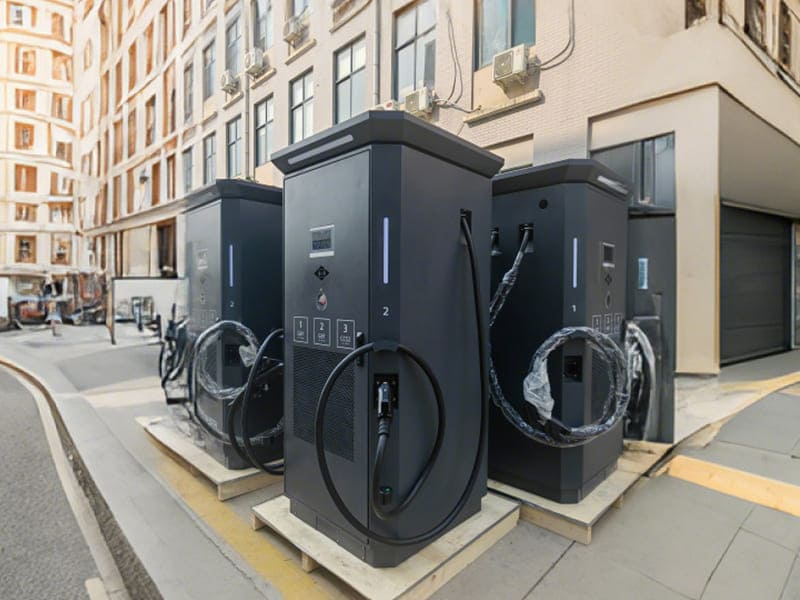
Next, focus on transport hubs and dense areas. Airports and train stations are excellent. Also, major highway service areas are vital. Furthermore, urban parking lots see constant use. Installing an EV charger in Europe here meets urgent demand.
Leveraging Daily Commute and Destination Charging
Do not overlook daily commuting points. Corporate office parks are promising. Similarly, government agencies need infrastructure. Residential complexes also offer potential. Moreover, hotels and restaurants benefit greatly. Patrons appreciate this amenity. So, it enhances customer loyalty.
Fleet and dedicated depots are another key segment. Consider logistics centers carefully. Taxi and rideshare waiting zones are profitable. Additionally, public bus stations require support. Car dealerships also need charging solutions. An EV charger in Europe here ensures constant utilization.
The Role of Leisure and Entertainment Venues
Finally, leisure destinations hold promise. Restaurants and cinemas are suitable. Likewise, stadiums and tourist spots draw crowds. Installing a charger here attracts visitors. Consequently, it drives additional spending. This strategy boosts overall site revenue.
Partnering with a Reliable Manufacturer
Choosing the right supplier is essential. For example, Aegen is a professional manufacturer. They sell complete charging units and parts. They also provide free technical support. Furthermore, they offer customization services. They collaborate with many distributors and installers. They also partner with assembly companies. Their products are used globally. What Locations Make Installation EV Charger Most Profitable?
Aegen’s EV charger in Europe is widely deployed. Their systems operate in Central Asia and the Middle East. They also serve South American markets effectively. Additionally, they produce EV charger testers. These tools help installation and assembly firms. So, they ensure system reliability.
Conclusion: Strategic Placement is Key
In conclusion, site selection drives profit. Analyze traffic patterns and dwell times. Match charger types to location needs. A strategic EV charger in Europe will succeed. Partner with experienced manufacturers like Aegen. Ultimately, this approach maximizes your investment return. The future of European mobility depends on this infrastructure.