Understanding EV charger speed is crucial for every electric vehicle owner. As Aegen New Energy, we guide you through this essential topic. Charging speed defines your EV experience profoundly. It impacts daily convenience and long trips significantly. We will explain charger types and their performance clearly. Knowledge empowers you to make the best choice.
The Fundamentals of EV Charger Speed
Firstly, EV charger speed depends on charger type and power output. Essentially, power measured in kilowatts (kW) dictates speed. A higher kW rating typically means faster charging. However, your car’s acceptance rate also limits speed. Therefore, compatibility between car and charger is key.
Types of EV Chargers and Their Speeds
1. DC Fast Charging Stations: The Speed Champions
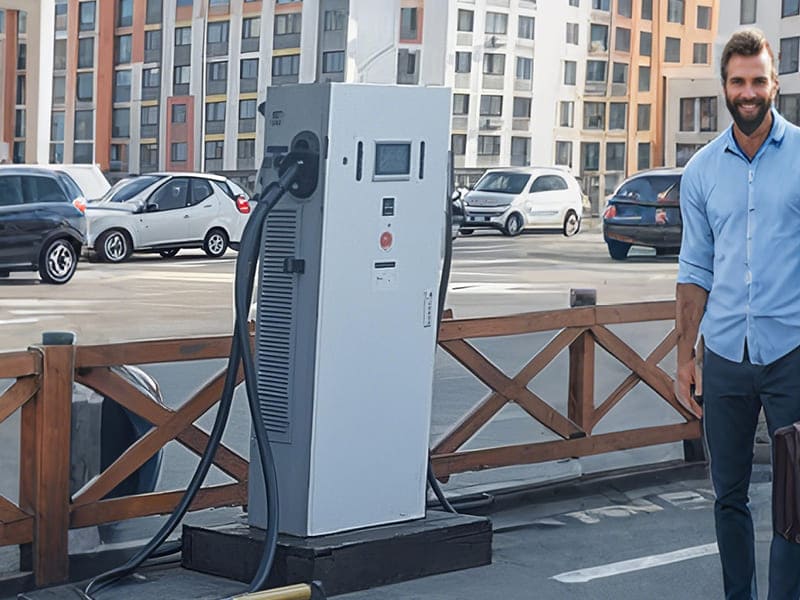
Our DC public EV charging stations offer the fastest Electric Vehicle charger speed. They deliver power directly to the battery. Consequently, they bypass the car’s onboard converter. Our models range from 20kW to 320kW. For instance, a 120kW station adds range rapidly. Meanwhile, our 320kW units offer peak performance. They feature CCS, GB/T, and NACS plugs. So, they serve various car models efficiently. You often find them at highway hubs. They are perfect for quick energy top-ups.
2. AC Commercial EV Chargers: The Reliable Workhorse
AC chargers provide a slower EV charger speed than DC units. However, they are ideal for longer parking durations. Our commercial AC units come in 7kW to 22kW variants. They use Type 2 or GB/T connectors typically. These chargers suit office parks and residential areas well. Vehicles here often park for hours. Therefore, speed is less critical than reliability.
3. Home EV charger stations: Convenience Overnight
Home charging offers the slowest Electric Vehicle charger speed usually. Our wall-mounted units are 7kW or 11kW commonly. They charge your car safely overnight. So, you wake up to a full battery daily. Additionally, our portable chargers offer 3.5kW speed. They are perfect for emergency use. However, they are not for regular fast charging.
Factors Influencing Your Charging Experience
Several factors affect real-world EV charger speed. Your vehicle’s battery capacity is a primary factor. Also, its maximum acceptance rate sets a hard limit. Furthermore, battery state of charge affects speed. For example, charging slows above 80% capacity. Meanwhile, temperature impacts battery chemistry significantly. Additionally, shared station power can reduce individual speed.
Choosing the Right Charger Speed for Your Needs
Selecting the correct Electric Vehicle charger speed requires careful thought. Consider your daily driving distance first. Also, analyze your typical parking time. For home use, a 7kW AC charger is often sufficient. Conversely, a commercial site needs DC fast chargers. Aegen provides tailored advice for every scenario. Therefore, you can optimize your investment easily. How Is an EV Charger Company in India Adapting to Future EV Trends?
Aegen’s Commitment to Optimal Charging Solutions
At Aegen, we engineer chargers for optimal EV charger speed. We balance power, cost, and durability expertly. Our products serve clients across Europe and Asia successfully. Moreover, we offer full technical support freely. We partner with installers and assemblers globally. Consequently, we deliver reliable charging solutions everywhere. Our customers consistently praise our product quality. So, trust us for your charging infrastructure needs.
Conclusion: Speed as a Part of the Journey
In summary, EV charger speed is a vital consideration. It influences travel flexibility and planning. Understanding different charger types is empowering. At Aegen, we provide clear and effective solutions. Finally, the right speed ensures a seamless EV journey. Choose wisely for a superior driving experience.