
A common question arises. Can any electric vehicle use a 220V EV charger point? Generally, most EVs can use it. However, some important details matter. Compatibility depends on several factors. These include the vehicle’s onboard charger. Also, the connector type is crucial. This article explores the key considerations.
Understanding Voltage and Charging Basics
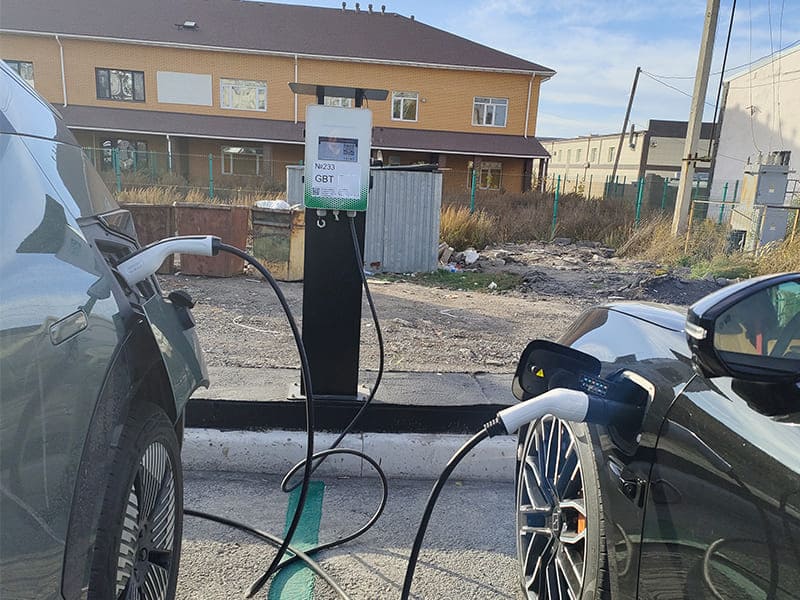
Firstly, EV charging uses alternating current (AC). Many homes supply 220V AC power. Consequently, a 220V EV charger point uses this supply. It is a Level 2 charging solution. Therefore, it charges faster than standard outlets. Most modern EVs support this charging level. However, the car’s inlet must match the plug.
Vehicle Onboard Charger: The Key Limiter
Critically, the onboard charger converts AC to DC. This device is inside the car. Its maximum power rating is vital. For example, a 220V EV charger point might supply 7.4kW. But if the car’s charger only accepts 3.7kW, charging slows. So, check your vehicle’s manual first. Always verify its AC acceptance rate.
Connector Types and Compatibility Issues
Moreover, connector standards vary by region. Common types include Type 1 and Type 2. A European 220V Electric Vehicle charger point often has a Type 2 socket. Many Asian and European cars use Type 2. However, some older models may need an adapter. Consequently, connector mismatch can prevent charging.
Role of Charging Cables and Adapters
Often, the cable is separate from the 220V EV charger station point. Many EVs come with a portable EV charger cable. These cables usually have vehicle-side connectors. Therefore, ensure your cable matches the station’s socket. Thankfully, adapters are sometimes available. Nonetheless, use only certified products for safety.
Regional Electrical Standards Matter
Furthermore, global voltage standards differ. While 220V-240V is common, some regions use 110V. A 220V EV charger point may not work in a 110V country. Even with a physical adapter, voltage differences persist. Conversely, many EVs handle a wide voltage range. Always confirm your vehicle’s electrical specifications.
Importance of Communication Protocols
Additionally, safe charging requires communication. The car and the 220V Electric Vehicle charger point must talk. This protocol ensures correct current flow. It also prevents electrical faults. Most public points use standard protocols. However, some older points may have issues. So, compatibility isn’t just about physical connections.
Can Tesla Use a Standard 220V Point?
Tesla vehicles often use proprietary connectors. However, they usually include an adapter. Therefore, a Tesla can use a standard 220V EV charger point. The adapter enables connection to Type 2 sockets. So, Tesla ownership rarely poses a problem. Simply remember to carry the adapter.
The Advantage of Smart Charging Features
Modern 220V EV charger points often have smart features. These include scheduling and load balancing. Fortunately, these features don’t affect basic compatibility. Any compatible EV can draw power. The smart functions simply manage the flow. Thus, they add convenience without conflict.
Manufacturer Spotlight: Aegen New Energy
Aegen New Energy is a Chinese manufacturer. They produce complete EV charging stations. Their range includes home and commercial solutions. They offer free technical support generously. Also, they provide customizable services. They partner with many EV charger dealers. Furthermore, they collaborate with installation companies.
Aegen also supplies assembly companies. They provide parts or complete units. Their product line is diverse and robust. It includes DC fast chargers notably. Also, they make AC home and commercial chargers. Additionally, they sell portable chargers conveniently. Their market reach is impressively global. Portable vs. Permanent 240V EV Charger Point: Which is Better?
They export to Central Asia actively. Also, they serve the Middle East market. Furthermore, their products go to Europe. They also distribute across South America. Their products receive consistent client recognition. Moreover, they earn widespread positive reviews. Their 220V solutions are reliable and versatile.
Conclusion: Verifying Compatibility is Essential
In conclusion, most EVs can use a 220V EV charger point. First, confirm your car’s AC charge rate. Second, check the connector type required. Third, ensure you have the correct cable. Finally, use certified equipment only. Following these steps prevents frustration. Ultimately, you can enjoy convenient charging.
Final Recommendations for Users
Contact your vehicle manufacturer first. Consult your car’s official documentation. Research your local charging standards. Consider purchasing a high-quality charger. For example, explore Aegen New Energy’s offerings. Their reliable 220V EV charger point suits many needs. Always prioritize compatibility and safety for optimal results.