
The global electric vehicle revolution demands equally innovative EV charger point manufacturing. This industry now prioritizes sustainability. Truly green transport needs a green foundation. Manufacturers are thus embracing new practices. They are transforming their production lines significantly.
Sourcing Eco-Conscious Materials
Firstly, material sourcing is getting a major overhaul. Companies now prefer recycled metals and plastics. They use aluminum and steel from recycled streams. This reduces primary mining impacts dramatically. Bio-based composites are also emerging. Consequently, the lifecycle footprint of chargers shrinks. Sustainable EV charger point manufacturing begins with these choices. It ensures responsibility from the very start.
Implementing Circular Design Principles
Furthermore, circular design is now central. Manufacturers design products for easy disassembly. They aim for repair, reuse, and recycling. Modular components allow simple part replacement. This extends the product’s life effectively. Therefore, electronic waste is significantly minimized. This approach defines modern EV charger station point manufacturing. It builds a closed-loop system brilliantly.
Powering Production with Renewables
Moreover, energy use in factories is changing. Leading firms power plants with solar and wind. They install on-site renewable generation systems. As a result, the carbon footprint of production falls. Energy-efficient machinery also plays a key role. So, each charger’s embedded energy drops. Sustainable Electric Vehicle charger point manufacturing relies on clean power. This commitment is absolutely essential.
Optimizing Logistics and Distribution
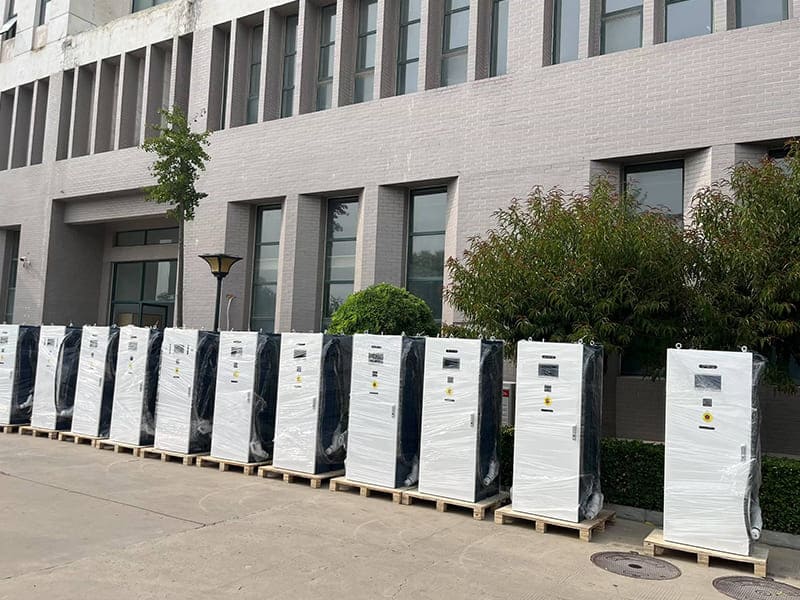
Additionally, the supply chain is being optimized. Companies localize supply networks to cut transport. They use electric or low-emission vehicles for logistics. Packaging is also shifting to minimalist, recycled materials. Thus, emissions from distribution are lowered. Efficient EV charger point manufacturing considers every journey. It connects cleanly from factory to site.
Ensuring Ethical and Safe Production
Worker welfare and safety are equally vital. Sustainable practices protect people and planet. Factories ensure safe, ethical working conditions. They also manage chemical use responsibly. Proper waste handling protects local communities. Therefore, social responsibility integrates with environmental goals. Ethical Electric Vehicle charger point manufacturing supports a just transition.
Advancing with Smart Technology
Meanwhile, smart technology enhances efficiency. IoT sensors monitor energy use in real-time. AI optimizes production scheduling to prevent waste. Consequently, resource efficiency reaches new heights. Digital twins test processes virtually first. This prevents material waste during development. Smart EV charger point manufacturing is lean and precise.
Innovative and Customizable Solutions
Aegen offers extensive technical support freely. They also provide complete customization services. Therefore, clients receive perfect solutions for their needs. This flexibility promotes efficient resource use. Sustainable EV charger point manufacturing requires such innovation.
Global Reach with Local Impact
Aegen products reach diverse international markets. Their DC fast and AC commercial EV chargers are sold globally. Portable chargers also go to Europe and South America. Consequently, sustainable practices gain worldwide traction. Their Electric Vehicle charger point manufacturing serves continents responsibly. Is a Type 2 EV charger point suitable for commercial use?
Facing Ongoing Challenges
However, significant challenges remain. Scaling recycled material supply is difficult. High initial costs for renewables deter some. Yet, innovation continuously lowers these barriers. Collaboration across the value chain is key. Thus, the industry progresses despite hurdles. The future of EV charger point manufacturing looks bright. Sustainability is becoming the norm.
Conclusion: Charging Towards a Greener Future
In conclusion, the shift is undeniable. Sustainable EV charger point manufacturing is advancing rapidly. It integrates circular materials and clean energy. It also embraces smart design and ethics. Ultimately, this ensures the EV ecosystem is truly clean. The road to transport decarbonization depends on it. Green chargers will power a greener world.