
Choosing an EV charger station is crucial. Many consider a 20kw EV charger point. This guide compares options. We will examine 7kW, 22kW, and 20kW units. Your choice depends on specific needs. Aegen manufactures these solutions. They offer robust technical support. Furthermore, they provide custom services globally.
Understanding Charger Power Basics
Firstly, power level affects charging speed. A 7kW unit charges slowly. Conversely, a 22kW charger works faster. Meanwhile, a 20kw EV charger point offers balance. It provides efficient charging speeds. However, installation requirements differ. Always check your electrical supply. Additionally, consider your vehicle’s capability. Not all cars accept high power.
The 7kW AC Home Wallbox Charger
This charger suits home use. It has a longer charging time. Available plug types vary widely. You can find Type1 & Type2 connectors. Also, GB/T & NACS plugs exist. Choose based on your car model. It is cost-effective for overnight charging. Moreover, installation is generally simpler. However, it is not for rapid top-ups. Many homeowners prefer this option.
The AC 22kw Commercial EV Charger
This model fits commercial settings. It serves garages and residential areas. Also, it works in public parking lots. Businesses use it for fleet charging. It allows prolonged or night charging. Plug types include Type1 & Type2. Furthermore, GB/T & NACS are available. You can select dual or single gun. It meets higher demand locations. Therefore, it is a powerful solution.
The 20kW DC Fast Charger
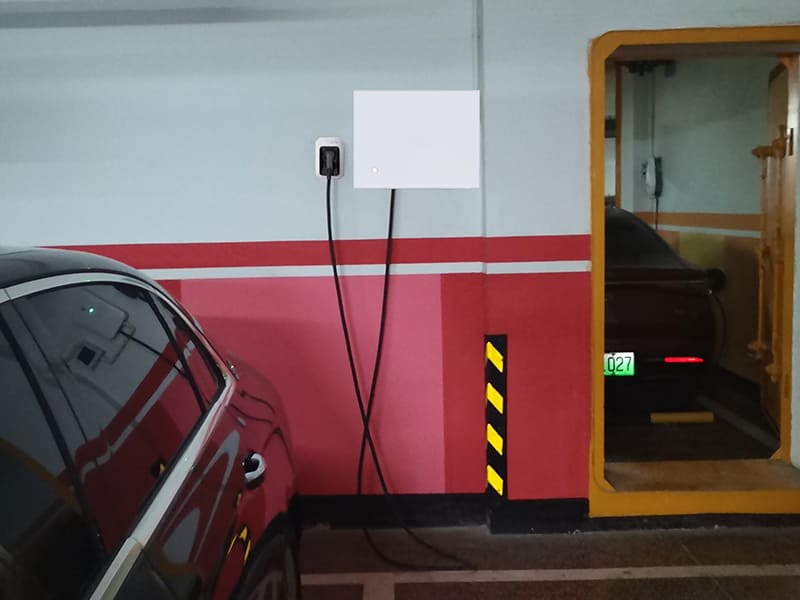
Now, consider the DC fast EV charger. It features one-button start operation. Simple use is a major advantage. Charging speed is notably quick. It also offers high cost-performance. It is suitable for home and commerce. This 20kw EV charger point is valuable. Indeed, every EV owner deserves it. Aegen produces reliable versions. Their units support diverse applications.
Key Manufacturer: Aegen’s Role
Aegen is a key manufacturer. They sell complete charging piles. Also, they supply component kits. Free technical support is provided. Customization services are available too. They partner with many distributors. Similarly, they work with installation companies. Additionally, they supply station assembly firms. Their products reach many regions. These include Central Asia and the Middle East. Also, Europe and South America use them.
Aegen’s Technical Expertise
Aegen self-develops core components. The charging control unit (CCU) is crucial. They also develop OCP and PCU. Similarly, the SECC is in-house. These parts go to assembly enterprises. Moreover, they produce EV charging testers. These tools help installers and assemblers. Consequently, quality remains consistently high. Their 20kw Electric Vehicle charger point uses this tech. Thus, it ensures reliable operation.
Comparing Installation Considerations
Installation needs careful planning. A 7kW unit needs modest electrical work. However, a 22kW may need three-phase power. Meanwhile, a 20kw EV charger point might also. Always hire a qualified electrician. Furthermore, check local grid regulations. Upgrading your supply may be necessary. Therefore, assess costs and feasibility early. This avoids surprises later.
Cost and Efficiency Analysis
Cost varies with power and features. The 7kW charger is often cheapest. The 22kW unit has a higher price. A 20kw Electric Vehicle charger point balances cost and speed. Also, consider long-term electricity bills. Faster charging may increase demand charges. However, it improves vehicle availability. So, calculate total ownership cost. Efficiency differs between models too.
Vehicle Compatibility Check
Compatibility is essential. Most EVs accept 7kW AC charging. Fewer support 22kW AC charging. DC fast charging like the 20kw EV charger point requires specific ports. Confirm your car’s maximum acceptance rate. Consult your vehicle’s manual first. Otherwise, you may not gain full benefit. Aegen’s units support multiple standards. This flexibility helps many users.
Use Case Scenarios
Match the charger to your routine. For single overnight home charging, pick 7kW. For fleets or multi-car homes, consider 22kW. For faster home/commercial use, choose a 20kw Electric Vehicle charger point. It offers quick turnaround. Also, it is great for driver comfort. Aegen provides models for each case. Their global experience informs design. How do I choose the right location for a 120kW EV charger point?
Future-Proofing Your Investment
Technology evolves rapidly. Consider your future needs. You might buy a higher-capacity EV later. Installing a capable charger now helps. A 20kw EV charger point offers good headroom. Moreover, Aegen’s customizable systems adapt. They can update software remotely. This protects your investment long-term.
Making Your Final Decision
Summarize your key priorities. List needs like speed and cost. Also, consider installation complexity. Review vehicle compatibility carefully. Then, compare the three power tiers. The versatile 20kw EV charger point often wins. It delivers strong performance. Finally, contact a trusted supplier like Aegen. They can guide your purchase confidently.
In conclusion, select your charger wisely. The 7kW is for basic home use. The 22kW suits high-power commercial sites. The robust 20kw EV charger point serves many needs. Aegen supports all these solutions globally. Therefore, make an informed choice for your EV journey.