
The modern driver often asks a crucial question. Can a commercial EV charger point manage multiple cars? The answer is definitively yes. Today’s advanced stations are built for this demand. They efficiently serve several vehicles at once. This capability is now essential everywhere. Consequently, businesses must understand the available technologies.
Understanding Commercial Charger Types
Primarily, commercial solutions fall into key categories. First, we have rapid fast EV charging stations. Next, there are AC EV charging stations. Furthermore, solar-storage charging stations are rising. Aegen offers the most cost-effective simple station. It suits home, commercial, and fleet use perfectly.
The DC Charger Station Power Range
Commercial DC EV charger stations offer various power levels. Common types include 20kw-40kw models. Additionally, 60kw-120kw models are prevalent. Moreover, 120kw-240kw units provide more power. Finally, 60kw-320kw systems offer great flexibility. These stations often feature multiple connectors.
Multi-Vehicle Charging Through Design
Critically, a commercial EV charger point uses smart design. Many units have dual plug connectors. Some even feature three or four plugs. Also, split-type stations serve large parking lots. They are common on highways too. Therefore, they handle simultaneous charging effortlessly.
Universal Connector Compatibility
Furthermore, connector types cover all major standards. These include CCS2 and CCS1 plugs. Also, GB/T and CHAdeMO are available. Moreover, the NACS standard is increasingly supported. This universal compatibility attracts diverse vehicles. So, a commercial EV charger point serves everyone.
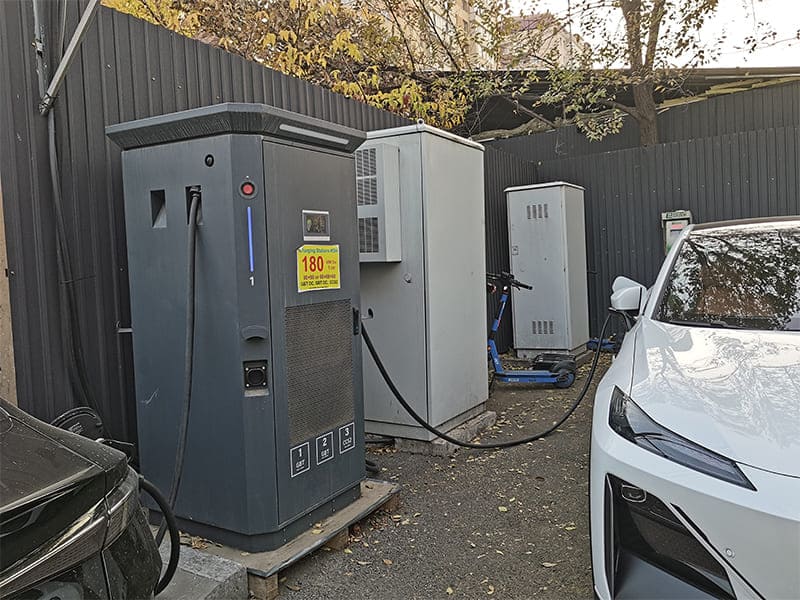
Ideal Locations for High-Power DC EV charger Stations
These powerful stations fit specific high-traffic locations. For instance, they suit retail and service centers well. Large supermarkets and shopping malls need them. Similarly, home improvement stores benefit greatly. Consequently, drivers can shop while charging.
Serving Transportation Hubs and Corridors
Similarly, transport hubs require robust charging. Airports and train stations are prime examples. Major highway service areas depend on them. Likewise, urban parking garages install many units. Thus, a commercial EV charger point meets transit demand.
Charging at Work and Where People Dwell
Additionally, daily destinations are perfect spots. Corporate office parks install these stations. Government buildings also support EV adoption. Residential complexes and hotels offer charging. As a result, people charge during long stops.
Fleet and Specialty Application Sites
Moreover, commercial fleets need dedicated solutions. Logistics centers operate many electric vehicles. Taxi and ride-hail waiting areas utilize them. Bus depots and car dealerships require power. Therefore, a commercial EV charger point is vital here.
Enhancing Leisure and Entertainment Venues
Finally, leisure destinations attract drivers. Restaurants and cinemas see longer visits. Stadiums and tourist spots also gain value. So, installing a commercial Electric Vehicle charger point is smart. It draws customers and increases revenue.
Aegen’s Simple and Affordable Solution
Not all commercial needs require maximum power. Aegen provides an excellent simple option. Our 20kw/30kw DC EV charger is versatile. It works for both commercial and home use. The operation involves one simple button. It is user-friendly and charges quickly.
Why Choose the Simple 30kw Model?
This model boasts significant advantages. Firstly, its price point is very competitive. Secondly, its charging speed remains impressive. It is particularly suitable for fleet operations. You can install it in residential areas. Likewise, workplaces utilize it effectively.
The Core Principle of Power Sharing
How does simultaneous charging actually work? Essentially, a commercial Electric Vehicle charger point uses power sharing. The station’s total power is intelligently allocated. For example, a 120kw station with two plugs. If both plugs are in use, power splits. So, each vehicle might receive 60kw. This process is dynamic and automatic.
Balancing Speed with Efficiency
Therefore, charging speed may adjust based on demand. However, the system maximizes overall throughput. This ensures no connector is ever idle. Consequently, station efficiency improves dramatically. Ultimately, more drivers get charged per day. Where can operators source a durable fast EV charger point with full service support?
The Critical Role of Smart Software
Behind the hardware, software is key. Advanced management systems monitor every session. They balance the electrical load safely. Moreover, they handle user authentication and payments. So, a commercial EV charger point operates smoothly.
Meeting Future Demand Proactively
The EV market is growing exponentially. Therefore, planning for multi-vehicle charging is essential. Installing a capable commercial EV charger point future-proofs your investment. It prepares your location for higher traffic. Subsequently, you avoid costly early upgrades.
Conclusion: The Answer is a Resounding Yes
In conclusion, modern stations excel at multi-vehicle charging. A well-specified commercial EV charger point handles this task. It uses multiple connectors and smart power management. Whether a high-power split station or a simple unit, capability exists. Businesses should therefore choose their system carefully. Ultimately, providing simultaneous charging is no longer a luxury. It is a fundamental requirement for commercial success.