
The global shift toward electrification is undeniable. Consequently, the Electric Vehicle EV charger market is expanding rapidly. This growth is especially strong for commercial-grade solutions. These chargers are essential for public and fleet infrastructure. Therefore, understanding current trends is crucial for stakeholders. This article explores the dominant market directions. It also provides clear growth projections for the sector.
Current Dominant Market Trends
Several key trends are shaping the commercial charging landscape. Primarily, the demand for faster charging is accelerating. Drivers seek to minimize waiting times significantly. As a result, high-power DC EV charger stations are becoming the standard. Additionally, infrastructure is becoming more scalable and flexible. Furthermore, strategic site selection is maximizing charger utilization. Meanwhile, payment and software platforms are integrating seamlessly. Finally, universal compatibility is now a critical market requirement.
High-Power DC Charging Becomes the Norm
The era of slow charging is effectively ending. Commercial operators now prioritize direct current units. These DC stations deliver power much faster. For instance, common commercial DC EV charger models include 20kW-40kW types. Also prevalent are 60kW-120kW and 120kW-240kW models. Moreover, powerful 60kW-320kW systems are emerging. This power range meets diverse business needs. Therefore, deployment depends on location and expected traffic.
Scalable Hardware Configurations
Modern charging hardware offers great versatility. Specifically, power cabinets can be separated from dispensers. This is called a split-system architecture. Importantly, it allows for easier future upgrades. Additionally, a single cabinet can power multiple charging points. For example, dispensers may have dual, triple, or quadruple plugs. Consequently, this setup serves more vehicles simultaneously. Thus, it is ideal for large parking lots. It is also perfect for busy highway service areas.
Universal Connector Compatibility
A major trend is connector standardization. However, multiple standards coexist globally. Therefore, a commercial Electric Vehicle EV charger must support various plugs. Common DC connectors include CCS2, CCS1, and GB/T. Also widespread are CHAdeMO and the rising NACS standard. This multi-standard approach future-proofs investments. Moreover, it accommodates all vehicle brands seamlessly.
Strategic Deployment in High-Utility Locations
Installation sites are chosen for maximum impact. Foremost, high-traffic retail locations are prime targets. These include large supermarkets and shopping centers. Also targeted are home improvement stores. Next, transportation hubs are critical deployment zones. These encompass airports and train stations. Furthermore, major highway rest stops are essential. Urban parking garages also see dense installations.
Secondary Locations Offer Steady Demand
Other sites provide reliable, long-duration usage. First, daily commuting destinations are key. These include corporate office parks. Government agency lots are also important. Furthermore, public residential areas are growing markets. Hotels and similar venues also install chargers. Another vital sector is fleet operations. Logistics centers greatly need a dedicated Electric Vehicle EV charger. Likewise, taxi and ride-hailing waiting areas benefit. Public bus depots are another natural fit. Finally, auto dealerships are common hosts.
AC Chargers for Destination Charging
Alternating current units still play a vital role. They are ideal for longer parking sessions. Common commercial AC EV charger models are 7kW, 11kW, and 22kW. They typically feature Type 1 or Type 2 connectors. Some also use GB/T or NACS plugs. Configurations include single or dual cables. Therefore, they suit locations like residential complex parking. They also fit workplaces for overnight charging.
The Rise of Fleet-Specific Solutions
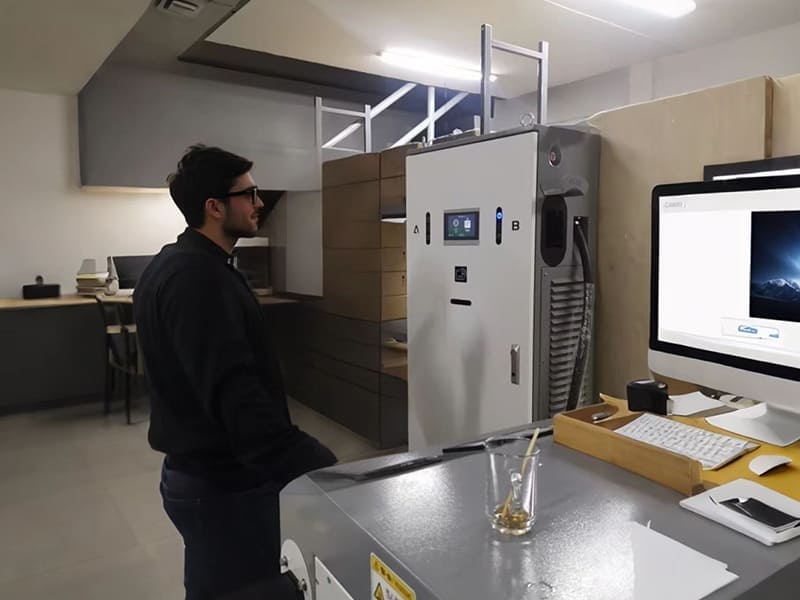
Fleet electrification is a powerful market driver. Specifically, operators need cost-effective and reliable charging. For instance, a 20kW/30kW DC fast charger is often ideal. It offers simple one-touch operation. Additionally, it provides reasonably quick charging speeds. Crucially, it comes at a lower price point. This makes it suitable for depot charging. This Electric Vehicle EV charger can be commercial or residential. Thus, it serves both fleet and shared community settings.
Integration of Smart Software Platforms
Hardware is only one component of the system. Importantly, sophisticated software is now integral. This software manages energy distribution dynamically. It also handles user authentication smoothly. Furthermore, it processes various payment methods. Consequently, operators gain valuable usage insights. Therefore, they can optimize pricing and maintenance schedules.
Robust Growth Projections for the Market
The market outlook is exceptionally positive. Analysts project a compound annual growth rate above 25%. This growth will likely continue through this decade. Several factors will fuel this sustained expansion. Primarily, government incentives and mandates are powerful catalysts. Simultaneously, electric vehicle adoption is breaking records. Moreover, corporate sustainability pledges are increasing demand. Thus, investment in charging networks will remain strong.
Expansion of High-Power Charging Networks
The deployment of high-power chargers will accelerate. Specifically, highways will see more 240kW+ stations. Urban hubs will also adopt these powerful units. The goal is to replicate refueling convenience. Consequently, range anxiety will diminish further. This will encourage more consumers to switch to EVs. What’s the Business Opportunity Behind Every EV Charger Near Me Search?
Increased Focus on Reliability and Uptime
Future trends will emphasize operational excellence. Network reliability will become a key differentiator. Operators will invest heavily in preventative maintenance. Additionally, remote diagnostics will become standard. This ensures each Electric Vehicle EV charger remains operational. Therefore, user trust and satisfaction will improve.
Evolution of Business Models
Innovative business models will continue to emerge. For example, charging-as-a-service is gaining traction. This model removes upfront capital barriers. Meanwhile, power management solutions will optimize electricity costs. They will leverage local solar generation and battery storage. Consequently, operational economics will improve significantly.
Conclusion
In summary, the commercial Electric Vehicle EV charger market is dynamic. It is driven by technology and strategic deployment. High-power DC fast charging is clearly dominating. Universal compatibility and smart software are essential. Growth projections remain overwhelmingly positive. Ultimately, this infrastructure is the backbone of the EV revolution. Therefore, its continued evolution is assured. The future of mobility depends on these robust systems.