
The global electric vehicle market is expanding rapidly. Consequently, demand for public EV charger infrastructure is surging. Aegen actively contributes to this growing network. We manufacture diverse public EV charger solutions. Our products serve various international markets. We also provide extensive technical support. This article explores viable revenue models for public Electric Vehicle charger operators.
Direct Charging Fees: The Primary Stream
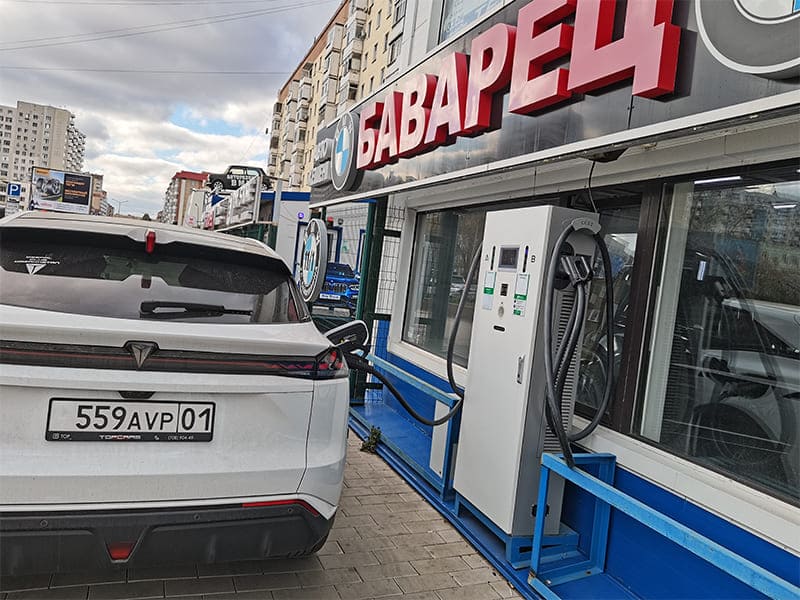
Firstly, the most straightforward model involves direct fees. Operators charge users for the electricity consumed. This pay-per-use method is very common. It provides a clear, immediate revenue stream. Fees can be based on energy delivered. Alternatively, fees can be time-based. This model suits high-traffic locations perfectly. Aegen’s DC fast EV charger stations are ideal for this. They enable quick turnover and higher usage.
Membership and Subscription Services
Secondly, subscription models create recurring revenue. Customers pay a monthly or annual fee. In return, they receive discounted charging rates. This approach ensures a stable, predictable income. It also fosters customer loyalty and retention. Many public EV charger networks successfully use this. Aegen supports operators with reliable hardware. Our robust AC and DC chargers handle frequent use.
Strategic Advertising and Partnerships
Furthermore, advertising presents a significant opportunity.EV Charging stations feature digital screens. These displays show ads to waiting users. Partnerships with local businesses can also be formed. For instance, a cafe might offer a discount to charging customers. Therefore, this creates an additional, passive income stream. Aegen’s chargers can be customized for such integrations.
Government Grants and Incentives
Moreover, governments often provide financial incentives. These support the installation of public EV charger infrastructure. Grants can significantly reduce initial capital expenditure. Tax credits are another common form of support. Operators must actively seek these opportunities. Aegen has experience working with international partners. We understand various regional subsidy programs.
Demand Response and Grid Services
Additionally, chargers can participate in grid services. This is a more advanced revenue model. During peak electricity demand, operators can reduce charging power. Alternatively, they can feed power back to the grid. Consequently, they receive payments from utility companies. This requires smart, connected chargers. Aegen’s self-developed CCU enables such intelligent management.
Solar-Integrated Charging Stations
Notably, solar-integrated stations cut costs and generate power. Aegen’s solar-storage charging stations are perfect for this. They store solar energy in batteries. This energy is then used for charging, especially during peak hours. Therefore, operators save on electricity costs. They can also sell surplus energy back, creating profit.
Fleet Charging Contracts
Furthermore, securing contracts with fleet operators is lucrative. Taxi companies, delivery services, and municipal fleets need reliable charging. A long-term contract guarantees consistent usage. This provides a very stable revenue source for the public Electric Vehicle charger host. Aegen’s high-power DC chargers are built for fleet depots.
Value-Added Services
Beyond charging, other services can boost income. Offering premium amenities is a great strategy. For example, a comfortable waiting lounge with Wi-Fi can attract more customers. Retail sales of snacks or accessories also add revenue. A well-located public EV charger station becomes a destination. Aegen designs stations to accommodate these extra services.
Utilization of Data
Moreover, the data collected from chargers is valuable. Operators can analyze charging patterns and user behavior. This data can be anonymized and sold to third parties. Urban planners and energy companies find this information useful. Therefore, data monetization becomes a smart income stream. Aegen’s systems are capable of secure data collection. What Makes an EV charger best for High Sales Volume?
Conclusion: A Multi-Faceted Approach
In conclusion, a diversified strategy is key to success. Relying on a single revenue stream is risky. Combining several models ensures financial resilience. The future for public EV charger networks is bright. Aegen is committed to supporting this evolution. We provide the hardware and technology for profitable operations. Ultimately, sustainable business models will fuel widespread EV adoption.