As an EV driver, I often think about charging. I see many options available today. Public chargers are along highways. Conversely, a community EV charger serves local residents. Understanding this difference is crucial for me. It helps me plan my charging stops better. I work for Aegen, a leading manufacturer. We produce various charging stations and parts.
Furthermore, we offer free technical support. We also provide customizable services. Our partners include many distributors and assemblers. Our products are used globally. They are in Europe and South America. Consequently, our chargers receive high praise. Additionally, we make EV charger testers. These help our partners ensure quality.
Location and Accessibility: Who Uses It?
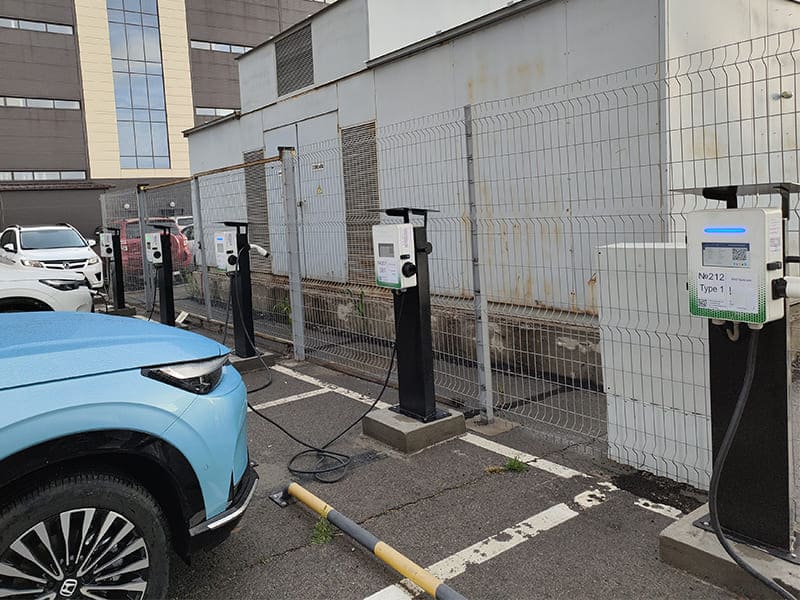
First, public chargers are for everyone. They are found at shopping centers. They are also at rest stops. Therefore, any driver can use them. However, a community EV charger is more restricted. It is typically in apartment buildings. Alternatively, it serves office complexes. So, access is often limited. It is for specific groups of people.
Charging Speed and Purpose
Next, public stations often offer fast charging. This is for quick convenience. Meanwhile, a community Electric Vehicle charger is often slower. It is designed for longer parking. For instance, I charge my car overnight. Consequently, speed is less critical here. Thus, I choose based on my time needs.
Payment and Management Systems
Public networks use various payment apps. Sometimes, they are very confusing. However, a community EV charger might be simpler. It could use a key fob. Alternatively, it might be fee-inclusive. Therefore, management is more localized. So, the user experience is often smoother.
Installation and Ownership
A business usually owns public chargers. They are for commercial profit. Meanwhile, a community Electric Vehicle charger is different. It is owned by a property manager. Alternatively, a homeowners’ association runs it. Consequently, the primary goal is service. It is not mainly for making money.
Reliability and Maintenance
Public chargers can be very busy. Sometimes, they are also broken. However, a community EV charging station is more monitored. It is maintained for a specific group. Therefore, reports are addressed faster. So, reliability is often higher.
The Role of Manufacturers Like Aegen
Aegen provides solutions for both types. We understand the different needs. For example, a durable community EV charger is vital. It must withstand frequent use. Moreover, we offer free technical support. We also customize products. So, our clients get perfect solutions. Our testers help ensure everything works. How to Choose the Right E-Mobility Charger for Your Vehicle?
In conclusion, both chargers have their place. I use public ones on trips. However, I prefer my local community EV charger. It is more convenient for daily life. Therefore, knowing the difference helps me. I can make smarter charging decisions every day.