
The electric vehicle landscape is evolving rapidly. Choosing the right charger is crucial. This guide compares the 20kw EV charger and the 22kw charger. Understanding their differences aids decision-making. We will explore technical specifications and applications. Furthermore, we will examine suitable use cases for each. Aegen, a Chinese manufacturer, supplies these solutions globally.
Understanding the Core Technology
First, the fundamental difference lies in current type. A 20kw EV charger typically uses Direct Current (DC). Conversely, a 22kw charger relies on Alternating Current (AC). This distinction significantly impacts charging speed and vehicle compatibility. DC chargers like the 20kw unit deliver power directly to the battery. Therefore, they bypass the car’s internal converter. As a result, DC charging is remarkably faster.
AC chargers, however, supply power to the vehicle’s onboard charger. This internal unit then converts AC to DC. Consequently, the charging speed depends on the car’s converter capacity. Many EVs have onboard chargers limited to 11kw or lower. Thus, they cannot utilize a 22kw charger’s full potential.
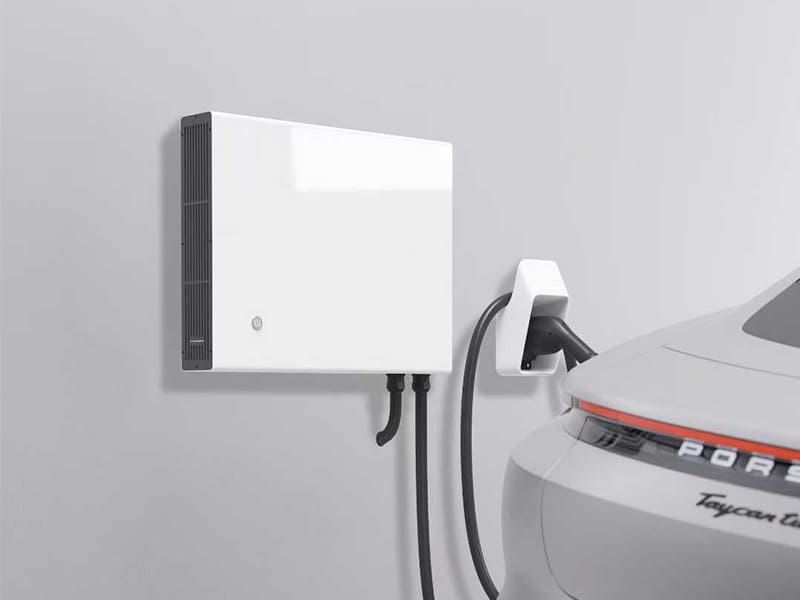
Commercial Applications: Power vs. Convenience
Commercial sites demand robust charging solutions. The choice here impacts customer satisfaction and operational efficiency.Is an 40kw EV charger suitable for my business or public parking?
The DC Advantage: 20kw EV Charger
The 40kw DC charger excels in high-traffic commercial locations. For instance, it is ideal for shopping malls and office buildings. Drivers often have limited waiting time. Furthermore, it suits highway service stations and public parking areas. These locations benefit from rapid charging sessions. A 20kw EV charger can significantly boost a vehicle’s range quickly. Moreover, it is perfect for fleet operations requiring fast turnarounds. Commercial DC stations support multiple plug types like CCS1, CCS2, and GB/T.
The AC Solution: 22kw EV Charger
The 22kw AC charger serves different commercial needs. It is perfect for locations with extended parking durations. For example, corporate campuses and residential community car parks are ideal. Employees or residents can charge their vehicles all day. Similarly, hospitals and hotels can offer this amenity. Guests can recharge their cars overnight or during long visits. However, its effectiveness depends on the vehicle’s onboard charger. Many modern EVs can accept this power level, making it a future-proof investment.
Home Charging: Balancing Speed and Cost
Home charging needs are distinct from commercial ones. Homeowners prioritize convenience, installation cost, and daily usage patterns.
DC Fast Charging at Home
A 20kw DC charger for home use is a powerful option. It provides incredibly fast charging speeds. This is suitable for homeowners with multiple EVs. It is also good for those with limited time at home. However, installation costs are typically higher. Additionally, it may require significant electrical upgrades. Therefore, it is a premium solution for specific needs.
AC Charging: The Domestic Standard
The 22kw AC wallbox is a common home charging solution. Many households find it a perfect balance. It offers faster charging than basic 7kw units. For example, it can fully recharge a compatible EV overnight. Consequently, it meets the needs of most daily commutes. Furthermore, its installation cost is generally lower than a DC charger. Portable AC chargers (3.5kw/7kw) offer additional flexibility for travel.
Aegen: Your Global Partner in EV Charging
Aegen is a leading Chinese manufacturer in this sector. They provide high-quality EV charging components and complete stations. Importantly, they offer free technical support and customization services. Aegen collaborates with numerous distributors and installers worldwide. They also supply parts to assembly companies. Their products, including the 20kw EV charger, are trusted globally. Their chargers are operational across continents like Europe and South America.
Making the Final Decision
In conclusion, the best choice depends on specific requirements. A 20kw EV charger delivers superior speed for commercial use. It is ideal for drivers on tight schedules. Conversely, a 22kw AC charger offers cost-effective power for long stays. For homes, a 22kw AC unit is often sufficient. However, a 20kw DC charger is a powerful luxury. Always consult a professional installer like Aegen’s partners. They can assess your electrical capacity and vehicle fleet. Ultimately, the right infrastructure supports the EV revolution.