
India’s electric vehicle revolution is accelerating rapidly. Consequently, understanding EV charger cost in India is crucial. This analysis compares AC and DC public charging expenses. We will explore installation, operation, and consumer pricing. Ultimately, this guide helps stakeholders make informed decisions.
The Indian government actively promotes EV adoption. However, infrastructure development faces cost challenges. Therefore, analyzing EV charger cost in India is essential for growth. Both AC and DC technologies have distinct financial implications.
Understanding the Technology Divide
AC (Alternating Current) chargers are relatively simple devices. They provide power to the vehicle’s onboard converter. Conversely, DC (Direct Current) chargers are much more complex. They convert AC grid power to DC internally. This fundamental difference greatly affects EV charger cost in India.
AC public chargers typically deliver up to 22kW of power. Meanwhile, DC fast chargers start at 30kW and can exceed 150kW. This power disparity significantly influences the overall EV charger cost in India. Higher power capacity requires more expensive components.
Hardware and Installation: A Cost Breakdown
The initial hardware investment varies dramatically. A public AC charger’s price is relatively moderate. However, DC fast charger equipment is substantially more expensive. This is a major factor in the EV charging station cost in India. What factors affect the cost of EV charger installation?
Installation expenses also differ significantly. AC EV chargers often use existing electrical infrastructure. Therefore, their installation is simpler and cheaper. Conversely, DC EV chargers need heavy-duty electrical upgrades. These upgrades substantially increase the total EV charger cost in India.
Furthermore, civil works for DC EV charger stations are more extensive. They require stronger foundations and more space. Additionally, thermal management systems add to the cost. These factors collectively elevate the EV charger cost in India for DC infrastructure.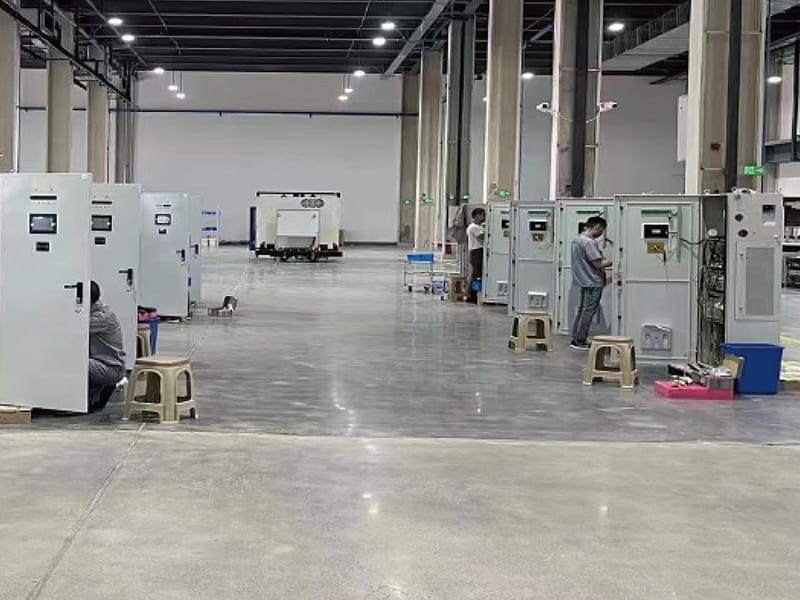 Operational and Maintenance Expenses
Daily operational costs also present a contrast. AC EV chargers have lower electricity demand charges. They also generally have simpler maintenance needs. Consequently, their long-term operational EV charging station cost in India is lower.
DC EV chargers consume much more power during operation. This often leads to higher electricity demand charges. Moreover, their complex power electronics need specialized technicians. These factors increase the operational EV charging station cost in India for DC units.
Maintenance is another critical financial consideration. AC EV chargers have fewer components that can fail. Therefore, their maintenance EV charger cost in India is relatively predictable. DC EV chargers, however, require more frequent and costly servicing.
Consumer Pricing: Charging Session Costs
From a user perspective, pricing models differ. Public AC charging is typically billed per kWh consumed. Sometimes, it has a small additional time-based fee. This keeps the user EV charger cost in India quite affordable.
DC fast EV charging usually carries a premium price. Operators must recover their higher equipment and installation costs. Therefore, the per-kWh EV charger station cost in India is higher for DC sessions. Some networks also add a fixed session fee.
However, DC charging offers unparalleled speed convenience. Users pay more for faster charging times. This trade-off between time and EV charger cost in India is a key consumer decision.
Government Subsidies and Policy Impact
The FAME II scheme significantly influences market dynamics. It provides subsidies for public charging infrastructure. These subsidies can reduce the initial EV charging station cost in India for operators. Both AC and DC chargers are eligible for support.
However, subsidy allocation often favors DC EV fast chargers. The government prioritizes highway and long-range charging solutions. Consequently, the effective EV charging station cost in India for DC is lowered through incentives. This policy shapes the infrastructure rollout strategy.
State-level policies further complicate the financial landscape. Some states offer additional capital subsidies. Others provide reduced electricity tariffs. These measures directly affect the operational EV charger cost in India.
The Role of International Manufacturers
Global manufacturers like Aegen are entering the Indian market. Aegen produces both AC and DC charging equipment. They offer competitive pricing which affects the EV charging station cost in India. Their global scale provides cost advantages.
Aegen also provides free technical support services. This reduces long-term operational expenses for operators. Therefore, partnering with Aegen can optimize the EV charging station cost in India. Their customizable products suit specific Indian requirements.
Furthermore, Aegen’s experience in other markets is valuable. They understand cost optimization for different use cases. This expertise helps manage the overall EV charging station cost in India effectively.
Market Applications and Cost Recovery
Different locations suit different charger types. Shopping malls often install AC chargers for visitors. Their lower EV charging station cost in India fits this use case perfectly. Customers charge while shopping for several hours.
Highway corridors absolutely require DC EV fast chargers. The high EV charging station cost in India for these units is justified here. Travelers need quick charging to continue their journeys. Therefore, the business case supports this investment.
Fleet operators must also analyze both options. They might use AC charging for overnight depot charging. Meanwhile, they could utilize public DC networks for operational top-ups. This mixed strategy balances EV charger cost in India with operational needs.
Future Cost Projections and Trends
Technology advancements will likely reduce costs over time. DC charger manufacturing is becoming more efficient. Consequently, the hardware EV charging station cost in India should decrease gradually. Increased competition will also pressure prices downward.
Economies of scale will play a crucial role. As EV adoption grows, charger production volumes will increase. This should lead to a reduction in the overall EV charging station cost in India. Both AC and DC equipment will become more affordable.
Standardization efforts are also underway. Common standards can reduce manufacturing complexity. This simplification could lower the EV charger station cost in India significantly. It would also streamline maintenance and operations.
Conclusion: Strategic Investment Decisions
In summary, AC and DC chargers serve different purposes. AC public charging involves lower capital investment. However, DC fast charging enables long-distance travel. The optimal EV charging station cost in India balance depends on location and use case.
Stakeholders must consider total cost of ownership. They should evaluate government subsidy opportunities. Partnering with experienced manufacturers like Aegen can provide advantages. Their support can help manage the EV charger cost in India effectively.
The Indian EV market continues evolving rapidly. Both AC and DC infrastructure will play vital roles. Understanding their cost structures is key to sustainable growth. Strategic planning will ensure appropriate EV charger cost in India management.