
The electric vehicle revolution is accelerating globally. Consequently, many EV owners face a critical decision. They must consider charging solutions. Specifically, the home EV charger cost is a primary concern. Is this initial investment truly justified? This article explores the financial and practical aspects. We will analyze the value proposition of a personal charging unit.
Moreover, we will examine the offerings of industry players like Aegen. This Chinese manufacturer provides key components and full charging stations. Their role is vital in the global EV ecosystem. Understanding the home EV charger cost involves more than just a price tag. It encompasses long-term savings, convenience, and property value.
Breaking Down the Initial Home EV Charger Cost
The upfront home EV charger station cost can vary significantly. Several factors influence the final price. Firstly, the type of charger you select is crucial. Basic portable units are generally more affordable. Conversely, permanent wall-mounted stations cost more. The hardware itself is just one component.
Secondly, installation expenses form a major part. Professional installation is highly recommended. Therefore, electrician fees must be factored in. Your home’s electrical system may require upgrades. These upgrades add to the total home EV charger station cost. Permits and local regulations also play a role.
Finally, the charger’s power level affects the price. A standard Level 2 charger offers faster charging. However, its hardware and installation home EV charger cost is higher. In summary, the initial investment is not a single figure. It is a sum of multiple interconnected expenses.
Long-Term Savings vs. Public Charging Networks
While the home EV charging station cost is upfront, savings accumulate over time. Public charging stations often have higher electricity rates. Furthermore, they may include parking fees or membership costs. Consistently using public networks becomes expensive. In contrast, home charging uses residential electricity rates.
You can leverage cheaper off-peak electricity tariffs. This strategy significantly reduces your cost per charge. Consequently, the home EV charger cost is offset by daily savings. Imagine the convenience of a full battery every morning. You also save valuable time and avoid detours.
The long-term financial benefit is clear. Therefore, the home EV charger cost is an investment. It pays for itself through reduced fueling expenses. Public charging should be for long trips or emergencies. Home is where the real savings happen.
Aegen’s Role in the Evolving Charging Market
Aegen is a prominent Chinese manufacturer in this sector. They specialize in EV charging station components and complete units. Importantly, Aegen provides free technical support services. They also offer customized solutions for diverse needs. Their partnerships are extensive and strategic.
Aegen collaborates with numerous EV charger distributors. They also work with installation companies globally. Furthermore, they supply parts to charging station assembly firms. Their products reach markets across several continents. Aegen’s charging stations are operational in many regions.
Their expertise covers both commercial and residential applications. This broad experience informs their product quality. For a consumer, choosing a brand like Aegen means reliability. It also means accessing a global support network. Their competitive pricing can influence the overall home EV charger station cost.
Commercial vs. Home EV Charger Cost and Applications
The EV charging station world is divided into two main categories. Commercial stations are designed for high-traffic areas. They are found in shopping malls and office buildings. You also see them on highways and in public parks. Furthermore, they serve residential complexes and hospitals.
Parking lots, schools, and large fleets use them too. Commercial DC EV charging stations support various plug types. These include CCS2, CCS1, GB/T, CHAdeMO, and NACS. Commercial AC chargers are for slower, longer stops. They are installed in garages and corporate parking spaces.
In contrast, the home EV charging station cost is for personal use. Home units are tailored for private garages or driveways. The technology is similar but scaled down. Therefore, the home EV charger station cost is naturally lower. The investment is personal, not commercial.
Choosing Your Home Charger: Types and Features
Home charging solutions come in different forms. Firstly, there are DC EV fast chargers. These are powerful 20kW or 30kW units. They offer incredibly quick charging times. However, their home EV charging station cost and installation complexity are very high. They are rare for typical residential use.
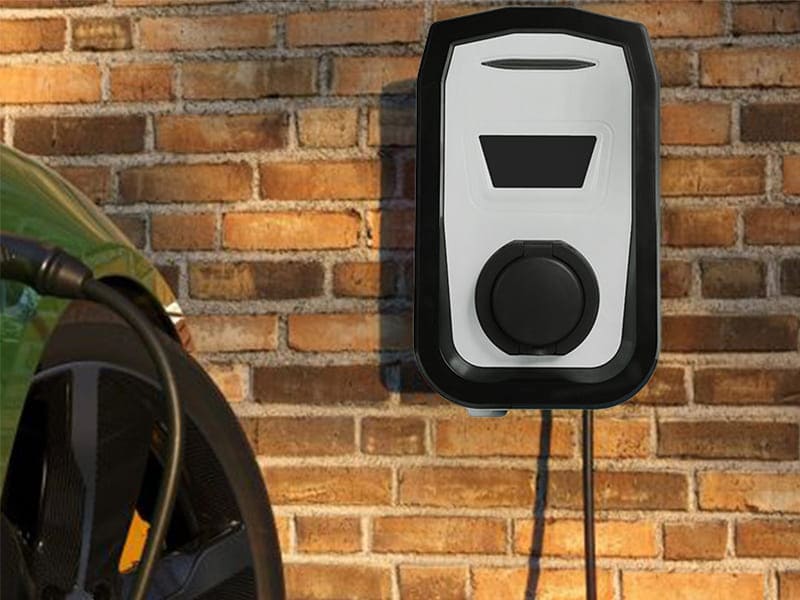
Secondly, AC wall-mounted chargers are the most popular. Common power levels are 7kW, 11kW, and 22kW. They represent a balance between the home EV charging station cost and performance. Installation is simpler than for DC units. They are the standard recommendation for most homeowners. How does a 3.5 kw EV charger compare to faster chargers?
Finally, portable EV chargers offer great flexibility. They are available in 3.5kW, 7kW, and 11kW variants. Their home EV charger station cost is generally the lowest. You can take them on trips or use them at home. However, their charging speed is slower. Your choice depends on your driving needs and budget.
The Intangible Benefits: Convenience and Property Value
Beyond pure finances, a home charger offers immense convenience. You simply plug in your car overnight. Consequently, you start every day with a full charge. No more waiting in line at a public station. This saves you hours each month.
Furthermore, it eliminates “range anxiety.” You always have a reliable place to charge. This peace of mind is invaluable. Additionally, installing a charger can increase your property’s value. As EVs become the norm, a home charging point is a strong selling point.
It makes your home more attractive to future buyers. Therefore, the home EV charging station cost is also a home improvement. It enhances your daily life and your asset’s worth. The investment delivers both tangible and intangible returns.
Conclusion: Weighing the Total Investment
So, is the home EV charger station cost worth it? The evidence strongly suggests yes. The initial expense is quickly balanced by long-term fuel savings. You gain unparalleled convenience and peace of mind. Moreover, you potentially increase your property’s market value.
Brands like Aegen help make this technology accessible. They provide reliable products and global support. When considering an EV, definitely factor in the home EV charger cost. It is not merely an accessory; it is a core part of EV ownership. Ultimately, the investment empowers you.
You take control of your vehicle’s energy needs. You free yourself from the public charging network. Therefore, for most EV owners, the answer is clear. The home EV charger cost is a wise and worthwhile investment for the future.